 ✨ AI Generated
Hayashi Fumiko Memorial Hall
Japanese: 林芙美子記念館
Shinjuku City, Tokyo
This information was written by AI and may contain mistakes. Please check official sources for opening hours, fees, and other details before you go.
Found a mistake? Let us know with “✏️ Something's wrong” on this spot's screen in asobot →
🎧 Audio guide(1:01)
In short
Hayashi Fumiko Memorial Hall is the house where author Hayashi Fumiko, known for works such as Diary of a Vagabond (Horoki) and Floating Clouds (Ukigumo), lived from 1941 until her death in 1951. Fumiko studied architecture and even visited traditional private houses in Kyoto before building it, and her particular preferences can be seen throughout the house. It is located in a quiet residential neighborhood of Nakai in Shinjuku Ward.
- A Kyoto-style and folk-house style home: A residence that combines the delicate refinement of the sukiya style with the open generosity of traditional folk-house style.
- Living room and study: The living room (chanoma) with a sunken kotatsu and a study said to have originally been a storage room still remain.
- Green garden: A garden said to have been arranged after Fumiko's death by her husband, the painter Ryokubin, who planted trees that Fumiko loved.
History and Highlights
Hayashi Fumiko was a writer who endured many hardships after coming to Tokyo in 1922. She moved to Ochiai in 1930 and purchased this land in December 1939. She then began building a new house designed by architect Yamaguchi Bunzo. Fumiko read as many as 200 architecture books and visited traditional private houses in Kyoto and inspected timber alongside the designer and carpenters. Her devotion to this house was exceptional.
At the time the house was built, there were restrictions on building footprints. Therefore, a living wing under Fumiko's name and an atelier wing under the name of her husband, the painter Ryokubin, were built separately and joined together immediately afterward. The completed house is a calm dwelling that combines Kyoto-style features reflecting the delicate refinement of the sukiya style with the open generosity of folk-house style characteristic of Fumiko.
Fumiko lived in this house from August 1941 until she passed away on June 28, 1951. Rather than the guest rooms, Fumiko believed in investing ample money into the living room, bathroom, toilet, and kitchen. Those particular preferences can still be seen in various places around the house.
Highlights for Viewing and Experiencing
- Living room: The living room with a sunken kotatsu and tableware remain just as they were. The low dining table (chabudai) where the whole family ate meals together is of a design rare for its time, with a size that could be changed depending on the number of people.
- Study and fusuma: Many works were created in this study, which was built with such elaborate care that it is hard to believe it was originally a storage room. Take note also of the sliding doors (fusuma), which Fumiko specifically had lined with Indian chintz (sarasa).
- Garden arranged by Ryokubin: The garden spreading out in front of the house is said to have been arranged by her husband, Ryokubin, who preserved this house after Fumiko's death, planting trees that Fumiko loved. The inside of the house can be viewed from the garden.
Walking Tips
It is about a 7-minute walk from Nakai Station on the Toei Oedo Line and the Seibu Shinjuku Line. It is about 15 minutes from Ochiai Station on the Tokyo Metro Tozai Line. The memorial hall is located in a quiet residential neighborhood in Nakai, Shinjuku Ward. The entrance stands within a bamboo grove, creating a tasteful atmosphere that makes it hard to believe it is inside Shinjuku Ward. The inside of the house is viewed from the outside while walking through the garden. While peeking into the living room and study, you can also observe the shape of the house where the living wing and the atelier wing were joined together. Related materials can also be seen in the exhibition room. Toshima City Tokiwaso Manga Museum is about 950 meters to the north.


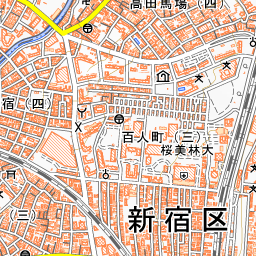

Spot location © OpenStreetMap contributors (ODbL)
Open in Google MapsUse asobot while you walk
- See where you are on the map and find spots nearby
- Listen to the guide's audio in course order, one after another (with subtitles)
- Walk to the next spot while following the map
Open on your phone
Scan to open this spot in asobot on your phone.