 ✨ AI Generated
Okuma Auditorium
Japanese: 大隈講堂
Shinjuku City, Tokyo
This information was written by AI and may contain mistakes. Please check official sources for opening hours, fees, and other details before you go.
Found a mistake? Let us know with “✏️ Something's wrong” on this spot's screen in asobot →
🎧 Audio guide(1:04)
In short
Okuma Auditorium is an auditorium located on the Waseda Campus of Waseda University, serving as an iconic symbol of the university. It was built in 1927 in memory of the university's founder, Okuma Shigenobu. Designed by Professor Sato Koichi and others from the Waseda University Department of Architecture, the building features a Romanesque style complemented by Gothic elements. In 2007, it was designated as an Important Cultural Property of Japan.
- Clock Tower: A tower approximately 38 meters (125 shaku) high, inspired by Okuma Shigenobu's "125 Years of Life Theory."
- Chime Sounds: Four bells of different sizes play the same style of chimes as Big Ben in London, sounding six times a day.
- Appreciating the Exterior: Because the interior of the auditorium is not open to the public, visitors can admire its exterior, which is slightly offset from the main gate.
History and Highlights
Okuma Auditorium, officially named the Waseda University Okuma Memorial Auditorium, is an iconic symbol of Waseda University. Following the death of founder Okuma Shigenobu in 1922 (Taisho 11), the construction of a memorial main auditorium was decided. After twists and turns including a design competition, suspension due to the Great Kanto Earthquake, and financial difficulties, it was completed on October 15, 1927 (Showa 2).
It was designed by Professor Sato Koichi and Assistant Professor Sato Takeo from the Department of Architecture at Waseda University. Structural design was handled by Naito Tachu. It has one basement floor and three floors above ground, containing a large auditorium on the above-ground floors and a small auditorium in the basement. Although named an auditorium, it was also designed to be usable as a theater by taking advantage of sound reflection from the ceiling and considering stage visibility.
The building holds high value as an excellent example of modern eclectic architecture, combining a basic Romanesque style with Gothic elements. It became a Tokyo Selected Historical Building in 1999 and, following renovation work for the university's 125th anniversary project, was designated as a national Important Cultural Property in 2007.
Viewing and Experiencing Highlights
- Clock Tower: The clock tower stands approximately 38 meters (125 shaku) tall. This relates to Okuma Shigenobu's "125 Years of Life Theory," which posits that humans can live to 125 if they practice moderation.
- Chime Sounds: The bells in the tower were transported from Baltimore in the United States via the Panama Canal. The harmony produced by the four bells of varying sizes follows the same system as Big Ben, the clock tower in London. The bells ring six times a day at 8:00, 9:00, 12:00, 16:00, 20:00, and 21:00, which is said to match the university's class starting and ending times.
- Position Offset from the Main Gate: The auditorium is built slightly offset from the direct line of the main gate. This is an intentional design feature to welcome students naturally without giving visitors an imposing impression.
Walking Tips
Since the interior of the auditorium is not open to the general public, enjoy viewing the exterior. It is a 5-minute walk from Waseda Station on the Toden line and Waseda Station on the Tokyo Metro. Upon entering the campus, a statue of Okuma Shigenobu wearing an academic gown stands facing toward Okuma Auditorium. The statue rests on a cane due to his artificial leg. Next to the auditorium stands a monument of the song "Glory of Waseda," erected in 2007 to commemorate the 125th anniversary of the university's founding. Ana Hachimangu Shrine is about 410 meters to the southwest, and Shinjuku City Soseki Sanbo Memorial Museum is about 660 meters to the southeast.


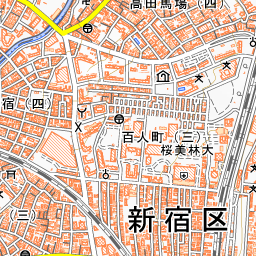


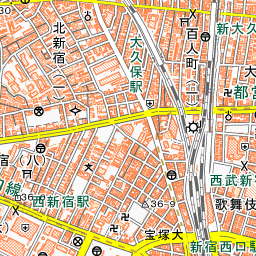


Spot location © OpenStreetMap contributors (ODbL)
Open in Google MapsUse asobot while you walk
- See where you are on the map and find spots nearby
- Listen to the guide's audio in course order, one after another (with subtitles)
- Walk to the next spot while following the map
Open on your phone
Scan to open this spot in asobot on your phone.