 ✨ AI Generated
Kaniman-ji Temple
Japanese: 蟹満寺
Kizugawa, Kyoto
This information was written by AI and may contain mistakes. Please check official sources for opening hours, fees, and other details before you go.
Found a mistake? Let us know with “✏️ Something's wrong” on this spot's screen in asobot →
🎧 Audio guide(1:07)
In short
Kaniman-ji Temple is a temple of the Chisan School of Shingon Buddhism in Kabata, Yamashiro-cho, Kizugawa City, founded in the late Hakuho period. It is known for the tale of the "Gratitude of the Crab," which appears in the Konjaku Monogatarishu and the Kokon Chomonju.
- National Treasure seated Shakyamuni Nyorai: A gilt bronze Buddha, 240 centimeters tall and weighing 2.2 tons, believed to have been made more than 1,300 years ago. There are only four jōroku-sized gilt bronze Buddhas made in the 7th to 8th centuries, including the Asuka Daibutsu of Asuka-dera Temple and this statue
- Main Hall rebuilt in 2010: In the main hall, where the principal image is enshrined, a depiction of the crabs defeating the serpent from the "Gratitude of the Crab" is displayed
- Kani Kuyo Hojoe: Every year on April 18, the Kani Kuyo Hojoe is held in honor of the temple's legend. After memorial prayers for crabs and other animals, all the participants release Japanese freshwater crabs together
History and Highlights
Kaniman-ji Temple is a temple of the Chisan School of Shingon Buddhism located in Kabata, Yamashiro-cho, Kizugawa City, with the mountain name (sangō) of Fumonsan. Formerly written as Kamuhata-ji (紙幡寺), it was founded in the late Hakuho period. The temple's name is said to derive from "Kamuhata," an ancient place name of this area.
The temple is famous for the tale of the "Gratitude of the Crab," which appears in collections such as the Konjaku Monogatarishu and the Kokon Chomonju. A young girl with deep faith in Kannon purchased a captured crab to spare its life. Later, when troubled by a giant serpent that demanded her hand in marriage, she spent the night chanting the Kannon Sutra. It is said that a multitude of crabs then appeared, vanquished the serpent, and saved the girl.
The principal image is a seated bronze statue of Shakyamuni Nyorai, designated a National Treasure, which is believed to have been cast more than 1,300 years ago. Standing 240 centimeters tall and weighing 2.2 tons, this gilt bronze Buddha statue survives today in nearly pristine condition. For a long time, the dominant theory held that the statue had been moved here from another site. However, an archaeological excavation conducted in 1990 prior to the reconstruction of the main hall revealed the remains of a massive temple complex from the late Asuka period, leading to the theory that the statue may have been housed here ever since the temple was founded.
Viewing and Experience Highlights
- One of Only Four Jōroku Gilt Bronze Buddhas: Only four jōroku-sized (traditional monumental scale) gilt bronze Buddha statues crafted between the 7th and 8th centuries survive: the Asuka Daibutsu of Asuka-dera Temple, the Buddha Head of Kofuku-ji Temple, the seated Yakushi Nyorai of Yakushi-ji Temple, and this seated Shakyamuni Nyorai statue. The depiction of the sheer drapery clinging close to the body closely resembles that of the seated Yakushi Nyorai at Yakushi-ji Temple. Be sure to observe its stern facial expression with the down-turned lips.
- Main Hall Rebuilt in 2010: The seated Shakyamuni Nyorai statue is enshrined in the main hall, which was rebuilt in 2010. Inside the hall, there is artwork depicting the scene of the crabs defeating the serpent from the "Gratitude of the Crab" legend.
- Kani Kuyo Hojoe (Crab Memorial and Release Service): Every year on April 18, the Kani Kuyo Hojoe service is held in honor of the temple's legend. After memorial prayers are offered for crabs and other animals, participants gather to release Japanese freshwater crabs back into nature.
Tips for Exploring
The temple is approximately a 20-minute walk from JR Tanakura Station. Located about 2.7 kilometers south-southeast is Jindo-ji Temple, also in Yamashiro-cho, and about 4 kilometers south-southeast is the Kyoto Prefectural Yamashiro Regional Museum (Furusato Museum Yamashiro). Visiting these locations together makes for an enjoyable excursion.
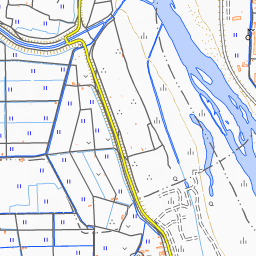
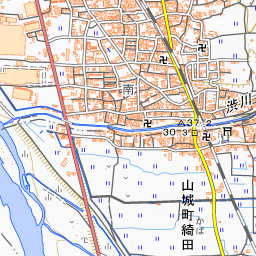
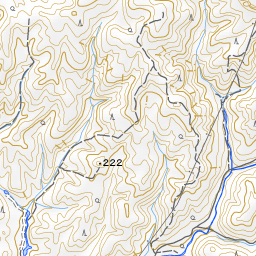
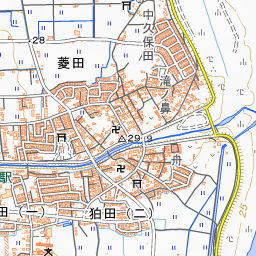
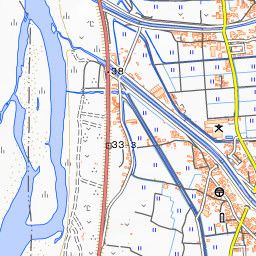
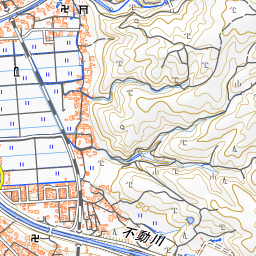
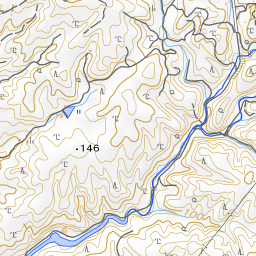
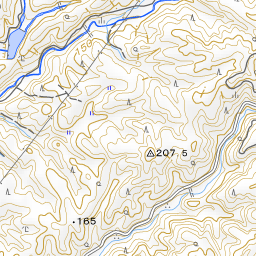
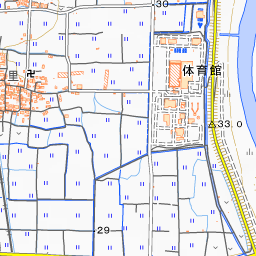
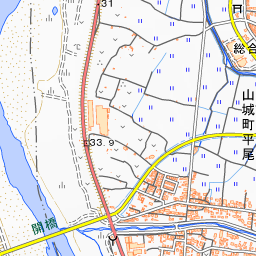
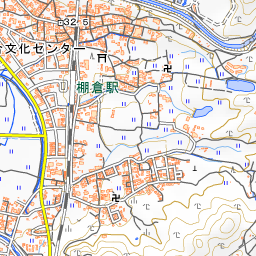
Spot location © OpenStreetMap contributors (ODbL)
Open in Google MapsUse asobot while you walk
- See where you are on the map and find spots nearby
- Listen to the guide's audio in course order, one after another (with subtitles)
- Walk to the next spot while following the map
Open on your phone
Scan to open this spot in asobot on your phone.