 ✨ AI Generated
Koryu-ji Temple
Japanese: 広隆寺
Ukyo Ward, Kyoto
This information was written by AI and may contain mistakes. Please check official sources for opening hours, fees, and other details before you go.
Found a mistake? Let us know with “✏️ Something's wrong” on this spot's screen in asobot →
🎧 Audio guide(1:00)
In short
Koryu-ji Temple is a Shingon-sect temple in Uzumasa, said to be the oldest temple in Kyoto. According to tradition, it was founded in 603 (the 11th year of Empress Suiko's reign) by Hata no Kawakatsu to enshrine a Buddhist statue bestowed upon him by Prince Shotoku. Roof tiles discovered within the former precinct have led to the belief that a temple already existed here during the Asuka period.
- Miroku Bodhisattva, National Treasure No. 1: The wooden Seated Statue of Miroku Bodhisattva in Pensive Pose (Hokan Miroku) in the Reihoden is an Asuka-period statue said to have been the temple's principal image around the time of its founding, and it was designated as the very first National Treasure
- Buddhist Statues in the Reihoden: Buddhist statues representing each era from the Asuka to the Kamakura periods are enshrined here, including the Thousand-Armed Kannon and a statue of Prince Shotoku at age sixteen
- Kodo (Lecture Hall) and Keikyu-in Main Hall: The seated statue of Amida Nyorai, a National Treasure, is enshrined in the Kodo, an Important Cultural Property, and the Keikyu-in Main Hall, an octagonal hall, is also a National Treasure
History and Highlights
Koryu-ji Temple is a Shingon-sect temple in Uzumasa, said to be the oldest temple in Kyoto. According to tradition, it was founded in 603 (the 11th year of Empress Suiko's reign) by Hata no Kawakatsu to enshrine a Buddhist statue bestowed upon him by Prince Shotoku (Shotoku Taishi), and it is also known by the alternative name Hachioka-dera. The Hata clan was a lineage that migrated from the Korean Peninsula in ancient times, establishing their base in the Uzumasa area; they are said to have constructed a large weir on the Katsura River and developed the entire Sagano region.
Although the exact circumstances of its founding are not clearly known, roof tiles dating from the Asuka period to the Heian period have been discovered within the former precinct, leading to the belief that a temple already existed here during the Asuka period. Because the temple was repeatedly damaged by fires, the present buildings date from the late Heian period and later.
Highlights for Viewing and Experiencing
- Miroku Bodhisattva, National Treasure No. 1: The wooden Seated Statue of Miroku Bodhisattva in Pensive Pose (also known as Hokan Miroku) enshrined in the Reihoden treasure hall is an Asuka-period statue said to have been the temple's principal image around the time of its founding, and it was designated as the very first National Treasure. Carved in the single-block technique (ichiboku-zukuri) primarily using Japanese red pine with some camphor wood, it measures about 125 centimeters in height. The statue portrays a figure lost in contemplation with the right foot resting on the left knee and the right hand softly touching the cheek, distinguished by its beautiful, faintly smiling expression.
- Buddhist Statues in the Reihoden: Built in 1982 (Showa 57), the Reihoden houses Buddhist statues representing each era from the Asuka to the Kamakura periods, including the Miroku Bodhisattva, a Fujiwara-period joined-wood (yosegi-zukuri) statue of the Thousand-Armed Kannon, and a Kamakura-period statue of Prince Shotoku at age sixteen.
- Kodo (Lecture Hall) and Keikyu-in Main Hall: The Kodo (Lecture Hall) is a late Heian-period structure dating to 1165 (the first year of the Eiman era) and is designated as a national Important Cultural Property. The seated statue of Amida Nyorai from the Heian period enshrined within is a National Treasure. Located in the northwestern corner of the grounds, the Keikyu-in Main Hall is an octagonal hall believed to have been constructed around 1251 (the third year of the Kencho era) during the Kamakura period, and is designated as a National Treasure. A single-story hall reminiscent of the Yumedono at Horyu-ji Temple, it is considered a precious surviving example of Kamakura-period octagonal hall architecture.
Walking Tips
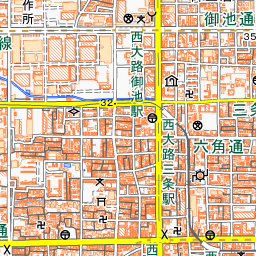
It is about a 1-minute walk from Uzumasa-Koryuji Station on the Randen tram line, and about 13 minutes on foot from JR Uzumasa Station. Uzumasa Kyoto Village is about 250 meters to the northeast, Kurumazaki-jinja Shrine is about 1.6 kilometers to the west, and Myoshin-ji Temple is about 1.6 kilometers to the northeast, making the temple a convenient starting point for walks extending from Uzumasa toward Sagano and Hanazono.


Spot location © OpenStreetMap contributors (ODbL)
Open in Google MapsGuides that include this spot (1)
Use asobot while you walk
- See where you are on the map and find spots nearby
- Listen to the guide's audio in course order, one after another (with subtitles)
- Walk to the next spot while following the map
Open on your phone
Scan to open this spot in asobot on your phone.