 ✨ AI Generated
Ana Hachimangu Shrine
Japanese: 穴八幡宮
Shinjuku City, Tokyo
This information was written by AI and may contain mistakes. Please check official sources for opening hours, fees, and other details before you go.
Found a mistake? Let us know with “✏️ Something's wrong” on this spot's screen in asobot →
🎧 Audio guide(1:01)
In short
Ana Hachimangu Shrine is a Hachimangu shrine located near the Babashita-cho intersection in Waseda. It is said to have originated in 1062 when Minamoto no Yoshiie dedicated a helmet and a long sword (tachi) here, and during the Edo period it was revered as a prayer site for the shogunate family. It is known for the "Ichiyo Raifuku" amulet distributed from the winter solstice to Setsubun.
- Ichiyo Raifuku Amulet: Also known as an amulet for financial fortune (the circulation of gold and silver), it is enshrined facing the year's auspicious direction (eho) precisely at midnight (12:00 a.m.) on a designated day.
- Zuijinmon Gate: A gate built in 1849 by Shimizu Kisuke, rebuilt in 1998 following war damage.
- Takatanobaba Yabusame: A Shinto ritual of horseback archery that began around the time of the 8th shogun Tokugawa Yoshimune; it is an intangible folk cultural property of Shinjuku City.
History and Highlights
Ana Hachimangu Shrine enshrines Emperor Ojin, Emperor Chuai, and Empress Jingu. According to its shrine origins, in 1062, after quelling a rebellion in Oshu, Minamoto no Yoshiie dedicated a helmet and sword at this site upon his triumphal return, enshrining the spirit of Hachimangu.
The shrine's name originated from an event in 1641. When the southern foot of the mountain was cleared to build a hermitage for the shrine keeper, a sacred cave (kami-ana) appeared. Because a golden sacred image was found inside and for other related reasons, it came to be called Ana Hachimangu (Shrine of the Cave Hachiman) from that time. Later, the 3rd shogun Tokugawa Iemitsu, who stopped to pray during a falconry outing, ordered a complete renovation of the shrine as the overall protector of the north of Edo Castle. As a prayer site of the shogunate family, its scale was established, and it was revered as one of Edo's leading large shrines.
It burned down in the Aoyama Fire of 1854 and declined temporarily after the Meiji Restoration. Although grand shrine buildings were assembled from the Taisho era to the early Showa era, all were lost to war damage. From 1989, construction of the main hall and other structures has proceeded based on Edo gongen-zukuri architectural drawings.
Points for Viewing and Experiencing
- Ichiyo Raifuku Amulet: An amulet distributed from the winter solstice to Setsubun, also called the amulet for the circulation of gold and silver. Visitors choose one day among the winter solstice, New Year's Eve, or Setsubun, and enshrine it at exactly midnight (12:00 a.m.) as that day ends, so that the characters "Ichiyo Raifuku" face the auspicious direction (eho).
- Zuijinmon Gate and Shutsugenden Hall: The Zuijinmon Gate was built in 1849 by Shimizu Kisuke, who later founded Shimizu Corporation. It was rebuilt in 1998 after war damage. Inside the left and right pillars are Zuijin guardian deities. The Shutsugenden is a shrine hall built on the spot where the sacred cave was discovered. The interior cannot be viewed.
- Takatanobaba Yabusame: In 1728, the 8th shogun Tokugawa Yoshimune held a yabusame (horseback archery) event at Takatanobaba, marking the beginning of this Shinto ritual dedicated by the shogunate family. It is now held in Tokyo Metropolitan Toyama Park and is registered as an intangible folk cultural property of Shinjuku City. To the left of the entrance torii gate stands a statue depicting yabusame.
Tips for Exploring
It is a 5-minute walk from Exit 3B of Waseda Station on the Tokyo Metro Tozai Line. The torii gate of the main approach stands at the Babashita-cho intersection where Waseda-dori Street and Suwa-dori Street meet, and it is easily visible from Waseda Station. The chozuya (water purification pavilion) is shaped in the likeness of Hotei, looking as though water springs from a sack packed with good fortune. From the winter solstice until Setsubun, the east approach torii gate facing Waseda-dori Street is closed. Directly adjacent is Hosho-ji Temple. Okuma Auditorium at Waseda University is approximately 410 meters to the northeast.


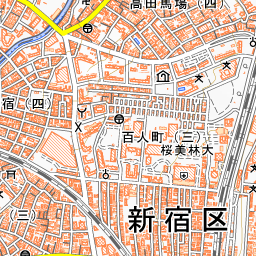


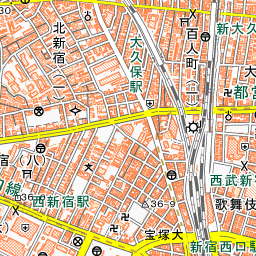


Spot location © OpenStreetMap contributors (ODbL)
Open in Google MapsUse asobot while you walk
- See where you are on the map and find spots nearby
- Listen to the guide's audio in course order, one after another (with subtitles)
- Walk to the next spot while following the map
Open on your phone
Scan to open this spot in asobot on your phone.