 ✨ AI Generated
IZUOSHIMA MUSEUM - GEO NOUS -
Japanese: 伊豆大島ミュージアム ジオノス
Oshima Town, Tokyo
This information was written by AI and may contain mistakes. Please check official sources for opening hours, fees, and other details before you go.
Found a mistake? Let us know with “✏️ Something's wrong” on this spot's screen in asobot →
🎧 Audio guide(1:04)
In short
IZUOSHIMA MUSEUM - GEO NOUS - is the central base facility for the Izu Oshima Geopark. Extensively renovated from the former Izu-Oshima Volcano Museum, it opened on July 1, 2025. It is a museum visitors are encouraged to drop by before touring the island, offering opportunities to learn not only about the volcanoes and the formation of the land, but also about the island's wildlife, daily life, and disaster prevention.
- Geo Exhibition Room: Introduces the island's origin and volcanic eruption history through peel specimens of the Great Strata Cross-Section and rock specimens.
- Projection VR Theater: Offers an immersive experience of volcanic craters and eruption traces viewed from above on a 4-sided screen.
- Human Exhibition Room: Traces the wisdom of living that overcame struggles to secure water, as well as the former daily life of the Anko-san (traditional island women).
History and Highlights
IZUOSHIMA MUSEUM - GEO NOUS - is a two-story museum located in Motomachi. Its origins trace back to the Izu-Oshima Volcano Museum, a museum dedicated to volcanoes that opened in July 1990 in the wake of the 1986 eruption of Mt. Mihara. This predecessor closed its doors on March 16, 2024, after approximately 33 years.
Due to aging exhibition equipment and other factors, it underwent a major renovation and opened as the hub facility of the Izu Oshima Geopark on July 1, 2025. The name "GEO NOUS" was chosen through a public contest. The museum's underlying philosophy is "All of Izu Oshima is a Museum," viewing the entire island as a place of learning.
The first floor serves as an exchange zone with a special exhibition room and hands-on workshop rooms, while the second floor is dedicated to permanent exhibitions.
The Geo Exhibition Room presents the formation of the island, its eruption history, and its geological and topographical features. A particular focus is placed on the 1986 eruption. Peel specimens from the Great Strata Cross-Section and rock specimens inherited from the former Volcano Museum can also be viewed up close here. The Bio Exhibition Room introduces how living creatures arrived on this ocean-surrounded volcanic island across environments stretching from the coast to the mountains. The Human Exhibition Room features memoirs and interview videos of people who experienced disasters, along with the wisdom of daily life focused on securing water and the past lifestyles of the island's Anko-san.
Highlights of Appreciation and Experience
- Projection VR Theater: Through visuals and sound spreading across four screens, visitors can experience 8K high-definition footage of craters and eruption traces viewed from the sky.
- Peel Specimen of the Great Strata Cross-Section: Located in the Geo Exhibition Room, this specimen was inherited from the former Volcano Museum. Signs instruct visitors not to touch the rock specimens or the peel specimen.
- Theater Hall Movie: An auditorium with 300 seats screens a movie about the Izu Oshima Geopark. Each showing lasts 35 minutes, running at scheduled times.
Tips for Exploring
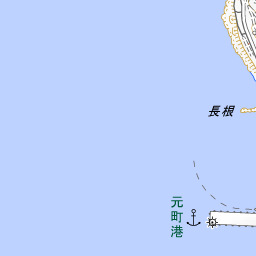
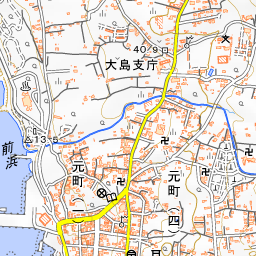
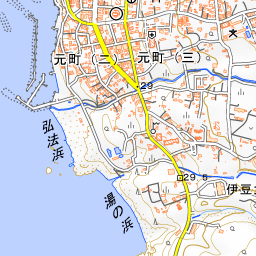
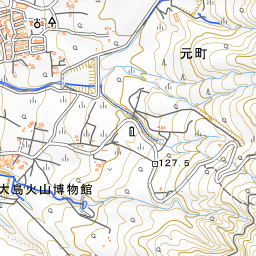
The museum is about a 5-minute drive or a 15-minute walk from Motomachi Port. By bus, take the Oshima Bus Habu Port Line and get off at "IZUOSHIMA MUSEUM - GEO NOUS - Mae." Official guidance recommends visiting this facility before exploring the entire island. A suggested route is to first understand the island's formation here, and then head to Mt. Mihara, the Ura-sabaku Desert, and the Great Strata Cross-Section located about 4.9 km south-southeast. Photography is permitted in the permanent exhibitions, but eating and drinking are prohibited. Located about 1.4 km north-northwest is Motomachi Hama-no-Yu, an open-air hot spring bath overlooking the sea.





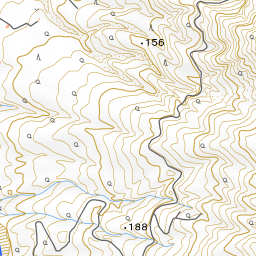
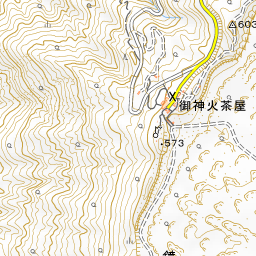
Spot location © OpenStreetMap contributors (ODbL)
Open in Google MapsUse asobot while you walk
- See where you are on the map and find spots nearby
- Listen to the guide's audio in course order, one after another (with subtitles)
- Walk to the next spot while following the map
Open on your phone
Scan to open this spot in asobot on your phone.