 ✨ AI Generated
Ueno Toshogu Shrine
Japanese: 上野東照宮
Taito City, Tokyo
This information was written by AI and may contain mistakes. Please check official sources for opening hours, fees, and other details before you go.
Found a mistake? Let us know with “✏️ Something's wrong” on this spot's screen in asobot →
🎧 Audio guide(1:08)
In short
Ueno Toshogu Shrine is a shrine dedicated to Tokugawa Ieyasu and was founded in 1627. The current Konjikiden, Karamon Gate, and Sukibei (lattice wall) were reconstructed in 1651 by the third shogun, Tokugawa Iemitsu. Having survived both war and earthquakes, they are designated as national Important Cultural Properties as examples of early Edo period architecture.
- Konjikiden: A shrine pavilion built in the gongen-zukuri style, with its walls and doors covered in gold leaf, featuring sculptures of hawks, peonies, and phoenixes.
- Karamon Gate: Features carvings of an ascending dragon and a descending dragon said to be the work of Hidari Jingoro, with a legend that they go to drink water from Shinobazu Pond every night.
- Sukibei: A wall enclosing the Konjikiden, featuring over 250 carved panels of animals and plants.
History and Highlights
Ueno Toshogu Shrine is a shrine where Tokugawa Ieyasu is enshrined as a deity. Tokugawa Yoshimune and Tokugawa Yoshinobu are also enshrined here.
In 1616, when Tokugawa Ieyasu was on his deathbed, he summoned the Buddhist monk Tenkai Sojo and Todo Takatora to his bedside, requesting in his will that they create a place where the souls of the three could rest eternally. Tenkai Sojo was granted this land, which was previously the residence of Todo Takatora and others, and founded Kan'ei-ji Temple. In 1627, "Tosho-sha," founded as one of the temple complex's structures, marked the beginning of Ueno Toshogu Shrine.
The current Konjikiden, Sukibei, and Karamon Gate were rebuilt in 1651 by the third shogun, Tokugawa Iemitsu. He built luxurious shrine pavilions modeled on Nikko Toshogu for the people of Edo who could not travel to Nikko to pay their respects. They are designated as national Important Cultural Properties as structures from the early Edo period.
During the Battle of Ueno at the end of the Edo period, the flames did not reach it. It did not collapse in the Great Kanto Earthquake either. During the Great Tokyo Air Raid, an incendiary bomb was dropped directly behind the Konjikiden, but it failed to detonate. The shrine is believed to bring particular blessings for career advancement, victory, and good health and longevity.
Points for Appreciation and Experience
- Konjikiden: Built in the gongen-zukuri style, comprising a haiden (worship hall), heiden (offering hall), and honden (main sanctuary), its walls and doors are covered in gold leaf. Carvings of hawks can be seen on the front, peonies all around, and phoenixes on the sides. The interior of the shrine pavilion is not open to the public to protect the cultural property.
- Karamon Gate and Sukibei: The Karamon Gate features carvings of an ascending dragon and a descending dragon, said to have been created by Hidari Jingoro. According to legend, they go to drink water from Shinobazu Pond every night; the one with its head pointing downward is the ascending dragon. This is based on the idea that the greater a person is, the lower they bow their head. The Sukibei is a wall that encloses the Konjikiden, with more than 250 carved panels on both the inside and outside depicting wild animals and plants on the upper tier and river and sea creatures on the lower tier.
- Oishi Torii Gate and Lanterns: The Oishi Torii (grand stone torii gate) was dedicated in 1633 by Sakai Tadayo. The large stone lantern beside it is called the "Obake Toro" (ghost lantern) because of its enormous size, and is counted as one of Japan's three great stone lanterns. The 48 bronze lanterns dedicated by feudal lords (daimyo) are national Important Cultural Properties, and there are also more than 200 stone lanterns.
Strolling Tips
It is a 10-minute walk from the Park Exit of JR Ueno Station. The Obake Toro and the Oishi Torii Gate are located near the entrance, and the Karamon Gate stands directly in front of the shrine pavilion. After paying the admission fee to enter inside the Sukibei, you can offer prayers in front of the shrine pavilion and view the carvings on the pavilion and Karamon Gate up close.
Peonies bloom in the peony garden on the grounds in spring and winter. The sacred giant camphor tree is said to be the ancestral tree of Ueno, with an age of over 600 years. Shinobazu Pond is about 390 meters to the south.
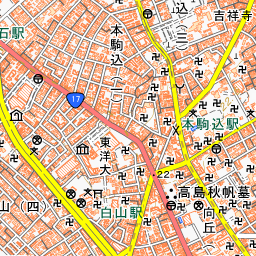

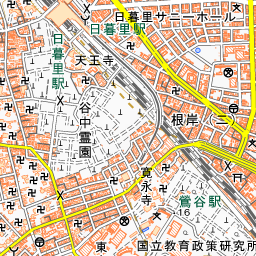
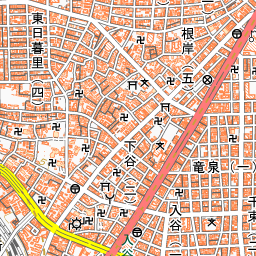
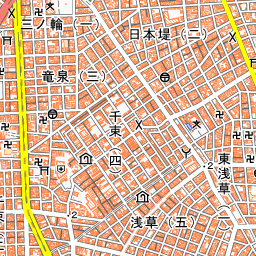

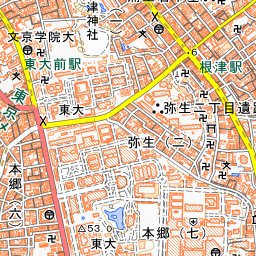

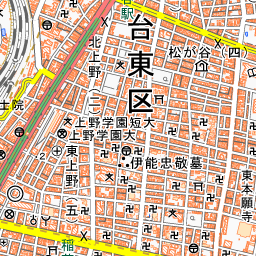

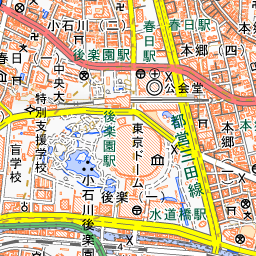
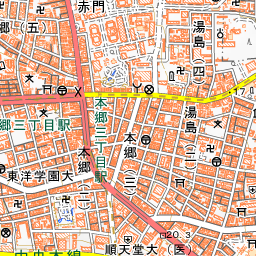


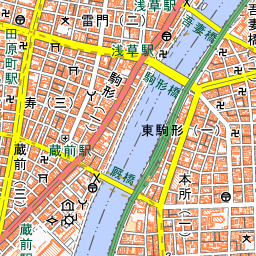
Spot location © OpenStreetMap contributors (ODbL)
Open in Google MapsGuides that include this spot (1)
Use asobot while you walk
- See where you are on the map and find spots nearby
- Listen to the guide's audio in course order, one after another (with subtitles)
- Walk to the next spot while following the map
Open on your phone
Scan to open this spot in asobot on your phone.