 ✨ AI Generated
Kameido Tenjin-sha Shrine
Japanese: 亀戸天神社
Koto City, Tokyo
This information was written by AI and may contain mistakes. Please check official sources for opening hours, fees, and other details before you go.
Found a mistake? Let us know with “✏️ Something's wrong” on this spot's screen in asobot →
🎧 Audio guide(1:05)
In short
Kameido Tenjin-sha Shrine is a shrine located in Kameido, Koto City, dedicated to Sugawara no Michizane. It began when Sugawara Otorii Nobusuke, a descendant of Michizane, enshrined here a statue of Tenjin that he had carved from a branch of the flying plum tree (tobiume). Built modeled after Dazaifu Tenmangu Shrine in Kyushu, featuring main shrine buildings, Shinji-ike Pond, and drum bridges (taikobashi), it was formerly also known as "Higashi Saifu Tenmangu." A famous spot for plums and wisteria, it bustles during the blooming season of its more than 50 wisteria plants as "the best wisteria spot in Tokyo."
- Three Bridges of Shinji-ike Pond: The three bridges spanning the pond represent the past, present, and future.
- Wisteria and Plum: Wisteria begins blooming from mid-April, and over 250 plum trees start to flower from early February.
- Usokae Shinji Ritual: Held every year on January 24 and 25, this is a ritual where participants exchange carved wooden bullfinches to turn past misfortunes into "lies" (uso) and replace them with good fortune.
History and Highlights
Kameido Tenjin-sha Shrine is dedicated to Sugawara no Michizane. In Shoho 3 (1646), Sugawara Otorii Nobusuke, a Shinto priest of Dazaifu Tenmangu Shrine and a descendant of Michizane, carved an image of Tenjin from a branch of the flying plum tree associated with Michizane, following a divine revelation. After traveling through various provinces, Nobusuke arrived in Honjo Kameido Village in Edo, where he enshrined the statue in a small village shrine dedicated to Tenjin.
Around that time, following the Great Fire of Meireki, the shogunate had designated the town of Honjo as an area for post-fire redevelopment. The fourth shogun, Tokugawa Ietsuna, who deeply revered Tenjin, donated the current shrine grounds. In Kanbun 2 (1662), the shrine pavilion, cloisters, Shinji-ike Pond, drum bridges, and other structures were built modeled after Dazaifu.
In the past, it was called "Higashi Saifu Tenmangu" or "Kameido Saifu Tenmangu." It was renamed "Kameido-jinja Shrine" in the 6th year of the Meiji period and took its current name, "Kameido Tenjin-sha Shrine," in the 11th year of the Showa period. The wisteria on the grounds is also depicted in Utagawa Hiroshige's "One Hundred Famous Views of Edo."
Points for Viewing and Experiencing
- Shinji-ike Pond and the Three Bridges: Shinji-ike Pond is spanned by three bridges: the Otoko-bashi (male drum bridge), the Hira-bashi (flat bridge), and the Onna-bashi (female drum bridge). The three bridges represent the past, present, and future respectively, and by crossing them, visitors purify their mind and body before proceeding before the deity.
- Wisteria and Plums: From mid-April, the more than 50 wisteria plants on the grounds begin to bloom, their forms reflected in Shinji-ike Pond as the shrine bustles as "the best wisteria spot in Tokyo." From early February to early March, more than 250 plum trees bear red and white blossoms. It is said that Michizane was particularly fond of plum blossoms.
- Usokae Shinji Ritual: The Usokae Shinji ritual takes place every year on January 24 and 25. It is an event where visitors receive a newly carved wooden bullfinch (uso) in exchange for offering up the previous year's bullfinch, turning misfortunes into "lies" (uso) and replacing them with good fortune. It is said to have begun in Bunsei 3 (1820) during the Edo period, modeled after Dazaifu Tenmangu Shrine. The wooden bullfinches are handcrafted one by one by the Shinto priests.
Tips for Strolling
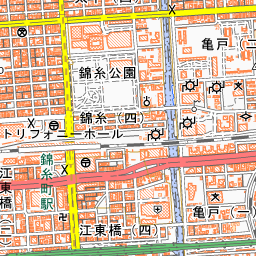
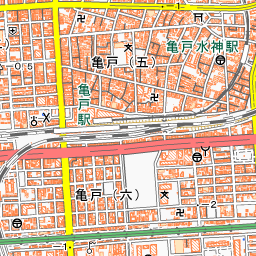
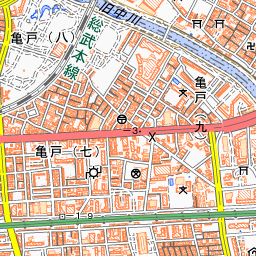
The shrine is a 15-minute walk from both the north exit of JR Sobu Line Kameido Station and the north exit of Kinshicho Station. You can walk around the shrine grounds in about 20 minutes. To the left facing the main hall stands the "Shin-gyu" (sacred ox) statue, which is said to cure illness and grant wisdom when touched. There are also a statue of Michizane at age five and a Fudezuka monument where worn-out writing brushes are laid to rest. You can also photograph the worship hall together with Tokyo Skytree, and it takes about 20 minutes on foot to reach Tokyo Skytree. Along the approach, established shops line the street, including a kuzumochi shop founded in Bunka 2 (1805). Approximately 470 meters to the northeast lies Kameido Katori-jinja Shrine.

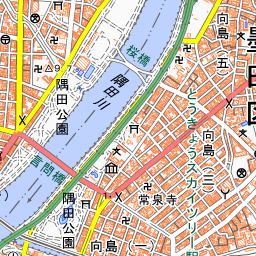
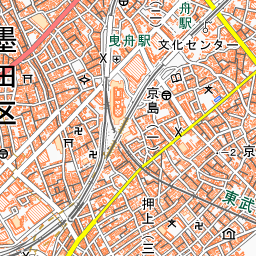
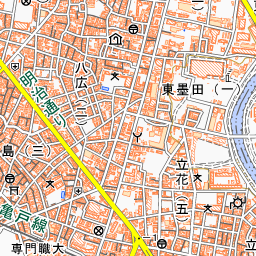
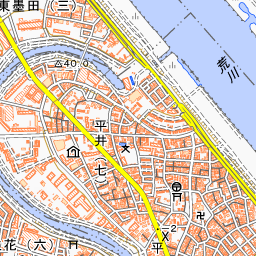
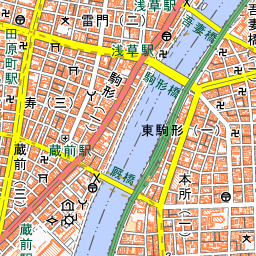
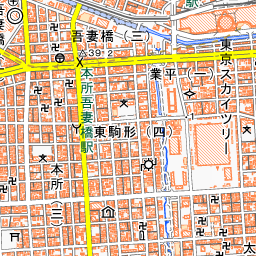
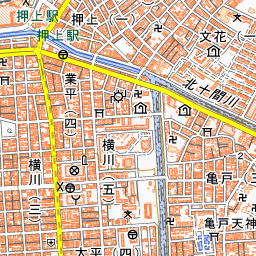

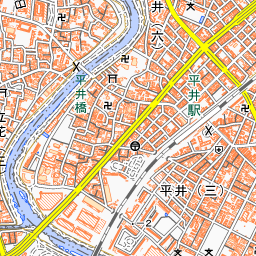


Spot location © OpenStreetMap contributors (ODbL)
Open in Google MapsGuides that include this spot (1)
Use asobot while you walk
- See where you are on the map and find spots nearby
- Listen to the guide's audio in course order, one after another (with subtitles)
- Walk to the next spot while following the map
Open on your phone
Scan to open this spot in asobot on your phone.