 ✨ AI Generated
Mausoleum of Emperor Tenji
Japanese: 天智天皇陵
Yamashina Ward, Kyoto
This information was written by AI and may contain mistakes. Please check official sources for opening hours, fees, and other details before you go.
Found a mistake? Let us know with “✏️ Something's wrong” on this spot's screen in asobot →
🎧 Audio guide(1:04)
In short
The imperial tomb of the 38th monarch, Emperor Tenji, maintained by the Imperial Household Agency under the name "Yamashina no Misasagi." Emperor Tenji is known for carrying out the Taika Reform together with Nakatomi no Kamatari when he was Prince Naka no Oe, and he died at Otsu Palace on the 3rd day of the 12th month of 671.
- Sundial at the Approach Entrance: Erected in June 1938 (Showa 13) by the Kyoto Clock and Watch Dealers Association in commemoration of Emperor Tenji creating the rokoku, a water clock, and establishing the system of timekeeping
- A Quiet Straight Approach: As you leave the bustle of Sanjo-dori Street and head into the mausoleum grounds, the surroundings fall silent. The burial mound itself cannot be seen
- A Regular Octagonal Burial Mound: In archaeology, it is called the Gobyono Kofun and is considered a regular octagonal burial mound dating to the terminal Kofun period
History and Highlights
The Mausoleum of Emperor Tenji is the imperial tomb of the 38th monarch, Emperor Tenji, and is maintained by the Imperial Household Agency under the name "Yamashina no Misasagi." Emperor Tenji is known for carrying out the Taika Reform together with Nakatomi no Kamatari when he was Prince Naka no Oe. His father was Emperor Jomei, and his mother was Empress Saimei.
Emperor Tenji died at Otsu Palace on December 3, 671. Although the site for the tomb was selected, the Jinshin War broke out, and it was not until 699—28 years after the emperor's death—that officials were appointed to construct the mausoleum. Works such as the Kamakura-period Mizukagami recount a story that the emperor rode out on horseback to Yamashina, entered the mountain forests, and disappeared, with only his shoes left behind, leading that location to be designated as his tomb.
In archaeology, it is called the Gobyono Kofun and is considered a regular octagonal burial mound dating to the terminal Kofun period. In the Imperial Household Agency's classification of tomb shapes, it is categorized as "joen kafo" (round top and square base). Based on estimates from diagrams published in the Bulletin of the Archives and Mausolea Division, the lower square tier is about 70 meters on each side, the upper tier is about 40 meters in diameter and about 8 meters high, and the upper tier is described as an octagonal pyramid shape with a flat top.
Sights and Experience Points
- Sundial at the Approach Entrance: A vertical sundial stands on the left side of the entrance to the approach path facing Sanjo-dori Street. It was erected in June 1938 by the Kyoto Clock and Watch Dealers Association in commemoration of Emperor Tenji creating the rokoku (water clock) and establishing the system of timekeeping.
- A Quiet Straight Approach: A single straight path is maintained leading up to the place of worship. Leaving the bustle of Sanjo-dori Street and heading into the mausoleum grounds, the surroundings fall silent, feeling like an entirely different world. The burial mound itself cannot be seen.
- Elegy from the Man'yoshu: The Man'yoshu contains a well-known poem composed by Princess Nukata, lamenting whether the court attendants, who served at the mausoleum of Mount Kagami in Yamashina weeping day and night, must now at last part and go their separate ways.
Walking Tips
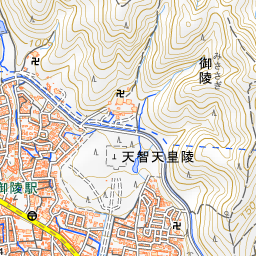
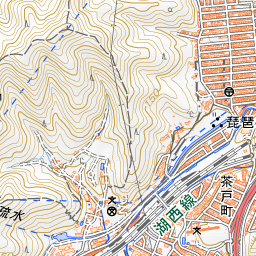
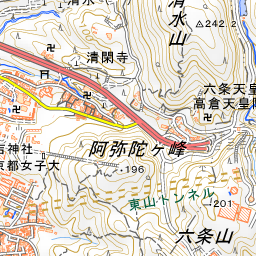
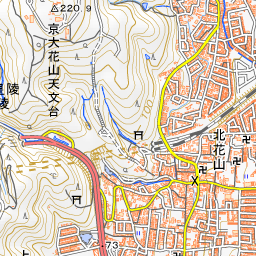
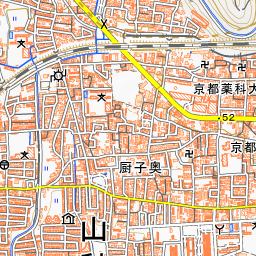
It is about a 12-minute walk from Misasagi Station on the Kyoto Municipal Subway and Keihan lines. Honkoku-ji Temple is located about 200 meters to the north-northeast of the mausoleum.
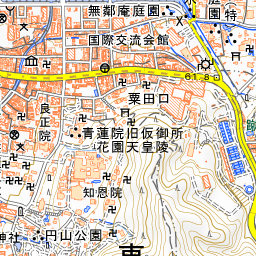
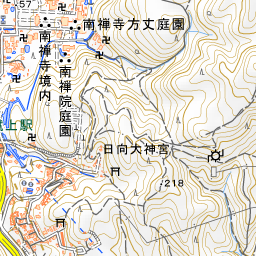

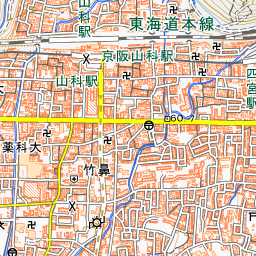
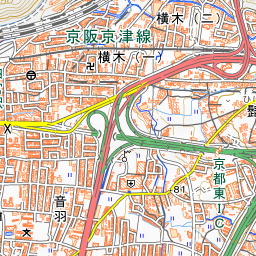
Spot location © OpenStreetMap contributors (ODbL)
Open in Google MapsGuides that include this spot (1)
Use asobot while you walk
- See where you are on the map and find spots nearby
- Listen to the guide's audio in course order, one after another (with subtitles)
- Walk to the next spot while following the map
Open on your phone
Scan to open this spot in asobot on your phone.