 ✨ AI Generated
Omori Shell Mound Ruins Garden
Japanese: 大森貝塚遺跡庭園
Shinagawa City, Tokyo
This information was written by AI and may contain mistakes. Please check official sources for opening hours, fees, and other details before you go.
Found a mistake? Let us know with “✏️ Something's wrong” on this spot's screen in asobot →
🎧 Audio guide(0:55)
In short
Omori Shell Mound Ruins Garden is a park located in Oi, Shinagawa City, where visitors can learn about the Omori Shell Mound, said to be the "birthplace of Japanese archaeology." In 1877 (Meiji 10), Morse, an American zoologist who came to Japan, is said to have spotted the shell layer from the window of a train. The area within the park is designated as a national historic site. Although the location is in Oi, the name Omori Shell Mound was coined because Morse and his team used Omori Station as their base for the investigation.
- Peeled Shell Layer Specimen: A preserved shell mound specimen where you can actually see the layers of accumulated shells.
- Bust of Dr. Morse and the Omori Shell Mound Monument: Features a bust of Morse, the discoverer, and a monument erected in 1929 (Showa 4).
- Jomon Plaza: Located in the center of the park, featuring a mist fountain.
History and Highlights
Omori Shell Mound Ruins Garden is a park in Oi, Shinagawa City, where visitors can learn about the Omori Shell Mound. The area containing the ruins within the park is designated as a national historic site.
The Omori Shell Mound is a shell mound discovered by the American zoologist Edward Sylvester Morse, who arrived in Japan in 1877 (Meiji 10). Morse is said to have noticed the shell layer from the window of a train traveling from Yokohama to Tokyo. Because it was the site of the first academic excavation in Japan, it is referred to as the "birthplace of Japanese archaeology." The shell mound dates from the Late to the Final Jomon Period. Among the artifacts Morse excavated, 165 pieces were later designated as national Important Cultural Properties.
Why is it named "Omori" even though it is located in Oi? Morse and his team used Omori Station on the Tokaido Main Line as their starting point for the survey, and at the beginning of the excavation, they believed this land was Omori Village. In reality, it was Oi Village, but this is how the name Omori Shell Mound originated. Consequently, for a long time, two differing theories existed: the Shinagawa City theory and the Ota City theory.
Viewing and Experience Points
- Peeled Shell Layer Specimen: Inside the park, you can actually see how the shells are stacked from the preserved shell mound specimen. Take a close look at the layers of shells from the Jomon Period right before your eyes.
- Omori Shell Mound Monument and Bust of Dr. Morse: The "Omori Shell Mound Monument" was erected in 1929 (Showa 4), initiated by Motoyama Hikoichi, an archaeologist and president of the Osaka Mainichi Shimbun. There is also a bust of Dr. Morse, the discoverer.
- Jomon Plaza: In the center of the park lies the Jomon Plaza, which features a mist fountain. On hot midsummer days, children can be seen playing in the fountain.
Walking Tips
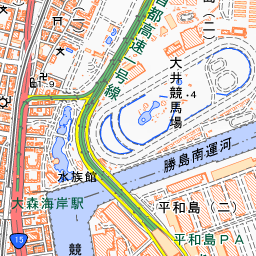
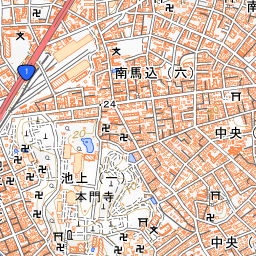
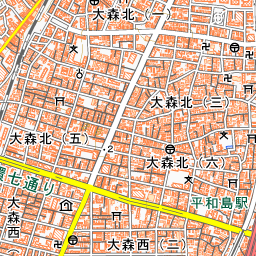
It is a 5-minute walk from JR Omori Station. On the Ota City side, next to the Keihin-Tohoku Line tracks, stands the "Omori Kaikyo" monument. Because the exact location of the excavation could not be settled, both Shinagawa City and Ota City received national historic site designations in 1955 (Showa 30). By visiting both this garden and the monument on the Ota City side—about a 3-minute walk from Omori Station—you can experience the history of the "rivalry over the original site." Walking about 840 meters to the southeast will bring you to Shinagawa Aquarium.
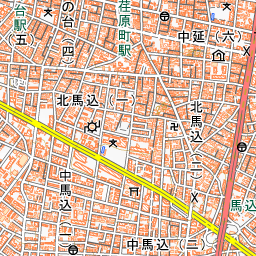
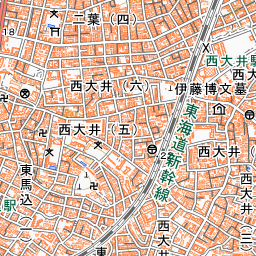
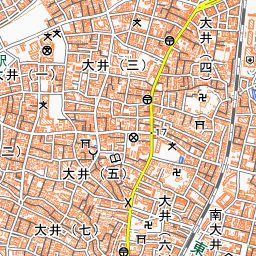
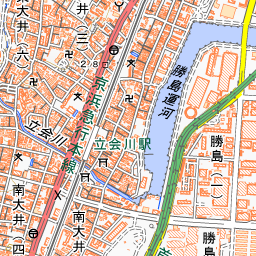
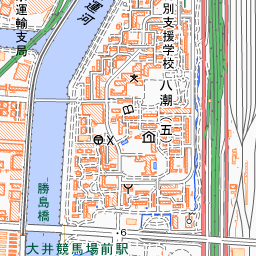
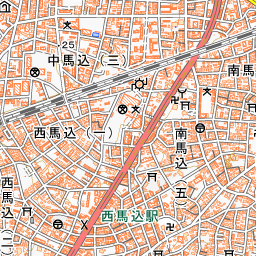
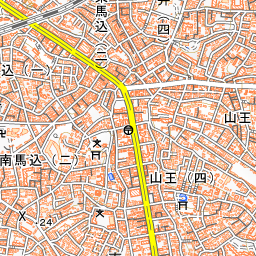
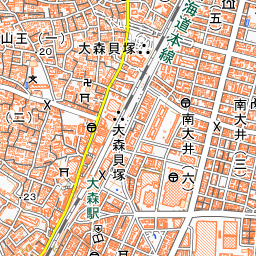

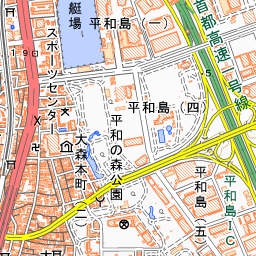
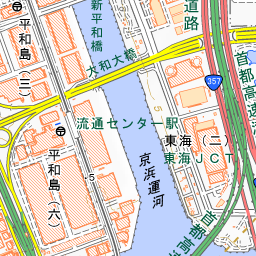
Spot location © OpenStreetMap contributors (ODbL)
Open in Google MapsUse asobot while you walk
- See where you are on the map and find spots nearby
- Listen to the guide's audio in course order, one after another (with subtitles)
- Walk to the next spot while following the map
Open on your phone
Scan to open this spot in asobot on your phone.