 ✨ AI Generated
National Bunraku Theatre
Japanese: 国立文楽劇場
Chuo Ward, Osaka
This information was written by AI and may contain mistakes. Please check official sources for opening hours, fees, and other details before you go.
Found a mistake? Let us know with “✏️ Something's wrong” on this spot's screen in asobot →
🎧 Audio guide(1:15)
In short
A traditional performing arts theatre located in Nipponbashi, Osaka. Centered around Bunraku, which is inscribed on the UNESCO Intangible Cultural Heritage list, the theatre hosts a variety of performances including dance, traditional Japanese music, and popular entertainment. Opened in 1984, it features the Bunraku theatre with a total capacity of 753 seats and a small hall with 159 seats.
- Three-person puppetry (Sannin-zukai): "Sannin-zukai," in which three puppeteers manipulate a single puppet together, is said to be rare worldwide. Pay attention to how the puppets express joy, anger, sorrow, and pleasure in sync with the chanting of the chanter (tayu) and the shamisen
- 1st-floor Document Display Room: Centered on valuable materials related to Bunraku, it presents special exhibitions that change from time to time. Anyone can easily drop by and enjoy it
- Two literary monuments outside the building: On the west side of the theatre stands a literary monument dedicated to Tanizaki Jun'ichiro, and on the east side stands a monument inscribed with a passage from Chikamatsu Monzaemon's "Kasane Izutsu." Both were erected in 1984 to commemorate the completion of the theatre
History and Highlights
The National Bunraku Theatre is a traditional performing arts theatre located in Nipponbashi, Osaka. Centered around Bunraku, which is inscribed on the UNESCO Intangible Cultural Heritage list, the theatre hosts a variety of performances including dance, traditional Japanese music, and popular entertainment. Opened in 1984, it features a main Bunraku theatre with a total capacity of 753 seats and a small hall with 159 seats.
Bunraku is a sophisticated, comprehensive performing art created through the unified collaboration of the chanter (tayu), the shamisen player, and the puppeteers. While Ningyo Joruri (puppet theatre) was performed across Japan at the beginning of the Edo period, the collaboration between two geniuses—the Joruri chanter Takemoto Gidayu and the playwright Chikamatsu Monzaemon—solidified Osaka's position as its true home.
The building was designed by the internationally renowned architect Kurokawa Kisho. Incorporating traditional Japanese design elements, its exterior is characterized by a black lattice motif, and paper lanterns adorn the audience area.
Highlights of Appreciation and Experience
- Three-person puppetry (Sannin-zukai): The technique known as "sannin-zukai," in which three puppeteers manipulate a single puppet together, is said to be rare worldwide. Pay attention to how the puppets express varied human emotions in sync with the chanting and the shamisen music.
- 1st-floor Document Display Room: Centered on valuable materials related to Bunraku, it presents rotating special exhibitions. Anyone can easily drop by and enjoy it.
- Two literary monuments outside the building: On the west side of the theatre stands a literary monument dedicated to Tanizaki Jun'ichiro, and on the east side stands a monument inscribed with a passage from Chikamatsu Monzaemon's "Kasane Izutsu." Both were erected in 1984 to commemorate the completion of the theatre, and they are engraved with the crests of the Takemotoza and Toyotakeza, theatres that built the golden age of Ningyo Joruri during the Edo period.
Tips for Walking Around
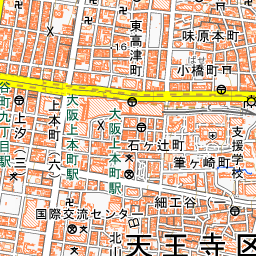
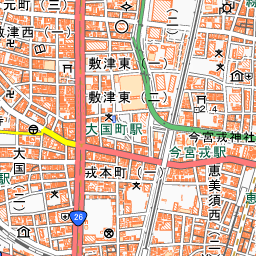
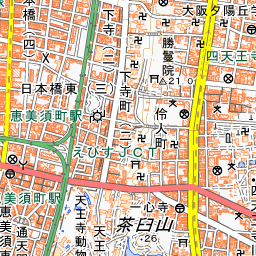
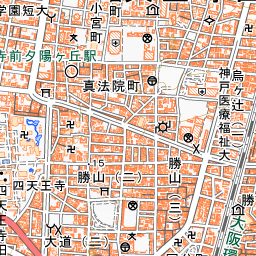
The theatre is a 1-minute walk from Exit 7 of Nippombashi Station on the Osaka Metro Sakaisuji and Sennichimae Lines and the Kintetsu Railway. For performances, an earphone guide providing explanations of Bunraku in Japanese is available. You can also combine your visit with a walk to Kuromon Market, about 270 meters to the southwest, to enjoy both culture and food.
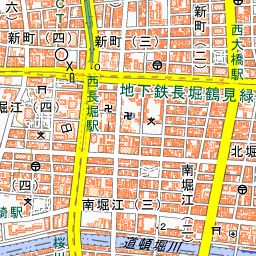
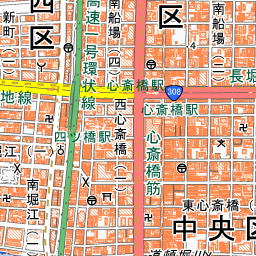
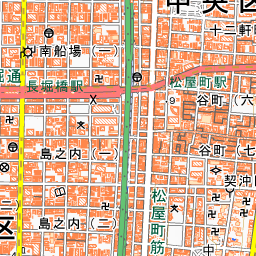
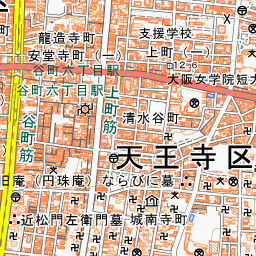
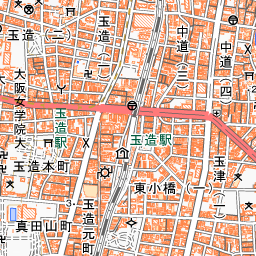
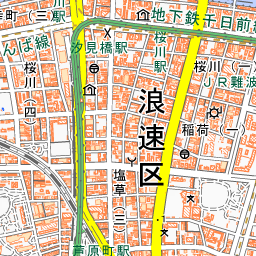
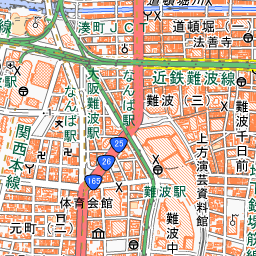
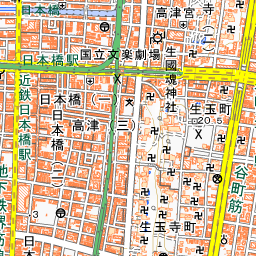


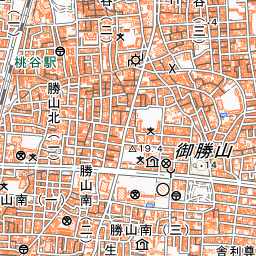
Spot location © OpenStreetMap contributors (ODbL)
Open in Google MapsGuides that include this spot (1)
Use asobot while you walk
- See where you are on the map and find spots nearby
- Listen to the guide's audio in course order, one after another (with subtitles)
- Walk to the next spot while following the map
Open on your phone
Scan to open this spot in asobot on your phone.