 ✨ AI Generated
Hoko-ji Temple
Japanese: 方広寺
Higashiyama Ward, Kyoto
This information was written by AI and may contain mistakes. Please check official sources for opening hours, fees, and other details before you go.
Found a mistake? Let us know with “✏️ Something's wrong” on this spot's screen in asobot →
🎧 Audio guide(1:08)
In short
A temple of the Tendai sect, founded by Toyotomi Hideyoshi to manage the Great Buddha Hall. In 1586 (Tensho 14), Hideyoshi planned to erect a Great Buddha at the foot of Higashiyama to rival the Great Buddha of Nara, and created a seated wooden statue of the Great Buddha approximately 19 meters tall. The Great Buddha collapsed in an earthquake, and Toyotomi Hideyori began rebuilding it, but in 1798 (Kansei 10) a lightning strike burned it down together with the Great Buddha Hall. Entering the Meiji period, the grounds were confiscated, and the current precincts have shrunk to what was once the northwest corner.
- The "Kokka Anko" Temple Bell: The exact bell cast by Toyotomi Hideyori in 1614 (Keicho 19). It is said that when Tokugawa Ieyasu learned of the phrase "Kokka Anko" in the inscription, he was infuriated, which served as the catalyst for the Winter Campaign of the Siege of Osaka. It is an Important Cultural Property
- The Meiji Bell Tower and Ceiling Painting: The bell hangs modestly in a bell tower built during the Meiji period, allowing anyone to view it up close. The ceiling of the bell tower features a lavish painting of a Kalavinka
- Giant Stone Embankments and the Main Hall's Great Buddha: Portions of the stone embankments of the Great Buddha Hall's grounds, built using massive monoliths, still remain and are designated as a national Historic Site. Enshrined in the main hall is an Amida Nyorai statue scaled down to one-tenth the size of the Great Buddha
History and Highlights
Hoko-ji Temple is a temple of the Tendai sect, founded by Toyotomi Hideyoshi to manage the Great Buddha Hall. In 1586 (Tensho 14), Hideyoshi planned to erect a Great Buddha at the foot of Higashiyama to rival the Great Buddha of Nara, and created a seated wooden statue of the Great Buddha approximately 19 meters tall. The Great Buddha Hall housing the statue was a magnificent structure, about 49 meters high and about 88 meters wide, completed around 1595 (Bunroku 4). The temple grounds were vast, encompassing what is now Hoko-ji Temple, Toyokuni-jinja Shrine, and the Kyoto National Museum.
The Great Buddha collapsed in the major earthquake of 1596 (Keicho 1). After Hideyoshi's death, Toyotomi Hideyori, carrying out his father's dying wish, began rebuilding it. When the temple bell was completed in 1614 (Keicho 19), the phrases "Kokka Anko" and "Kunshin Horaku" in the inscription became an issue, leading to an order postponing the eye-opening consecration ceremony for the Great Buddha. This subsequently sparked the Siege of Osaka and led to the downfall of the Toyotomi clan. In 1798 (Kansei 10), a lightning strike burned down the Great Buddha Hall, reducing the wooden Great Buddha to ashes. Entering the Meiji period, the grounds were confiscated, and the current precincts have shrunk to what was once the northwest corner.
Highlights for Viewing and Experiencing
- The "Kokka Anko" Temple Bell: The present bell is the exact bell cast by Hideyori in 1614 (Keicho 19). It is said that when Tokugawa Ieyasu learned of the phrase "Kokka Anko" in the inscription, he was infuriated, claiming that "the characters of Ieyasu's name were torn apart," which served as the catalyst for the Winter Campaign of the Siege of Osaka. The bell is an Important Cultural Property; on the section painted white, the characters on the right read "Kokka Anko" and those on the left read "Kunshin Horaku."
- The Meiji Bell Tower and Ceiling Painting: The bell hangs modestly in a bell tower built during the Meiji period, allowing anyone to view it up close. The ceiling of the bell tower features a lavish painting of a Kalavinka, a creature said to dwell in the Western Pure Land.
- Giant Stone Embankments and the Main Hall's Great Buddha: The stone embankments that once surrounded the grounds of the Great Buddha Hall were built using massive monoliths. Portions of the western front, north, and south sides still remain above ground today and are designated as a national Historic Site. Enshrined in the main hall are the Mikenbutsu (brow Buddha) of the Great Buddha and an Amida Nyorai statue scaled down to one-tenth the size of the original Great Buddha.
Tips for Strolling
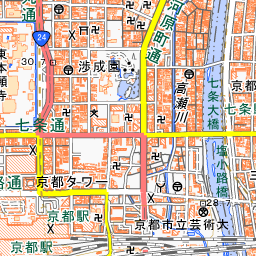
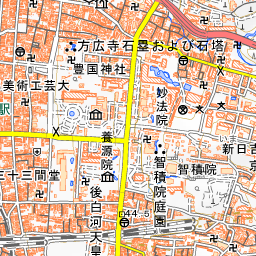
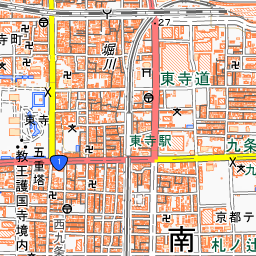
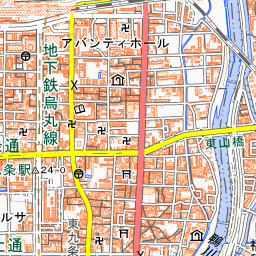
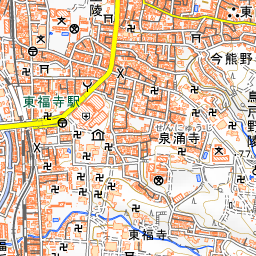
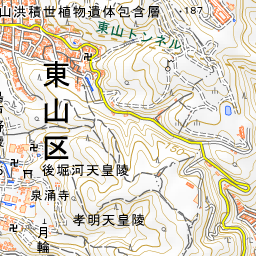
It is about a 10-minute walk northeast from Shichijo Station on the Keihan Railway. To the northeast of the temple is an area named Kaneicho (Bell-Casting Town), where this bell is said to have been made. The massive stone embankments can also be seen on the west side of the Kyoto National Museum. Toyokuni-jinja Shrine is about 80 meters to the south, the Kyoto National Museum is about 260 meters to the south, and Sanjusangendo Temple is about 430 meters to the south.
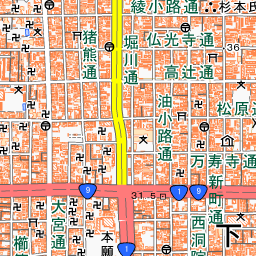


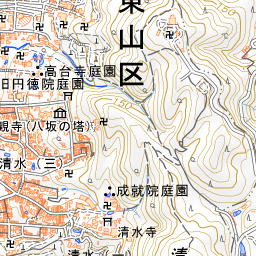
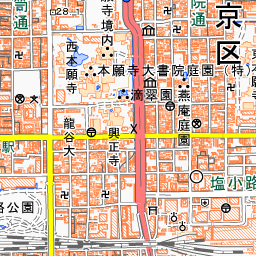
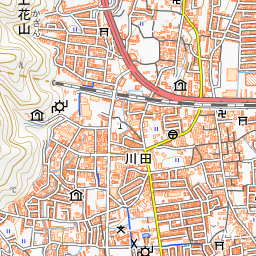
Spot location © OpenStreetMap contributors (ODbL)
Open in Google MapsGuides that include this spot (1)
Use asobot while you walk
- See where you are on the map and find spots nearby
- Listen to the guide's audio in course order, one after another (with subtitles)
- Walk to the next spot while following the map
Open on your phone
Scan to open this spot in asobot on your phone.