 ✨ AI Generated
The Japan Folk Crafts Museum
Japanese: 日本民藝館
Meguro City, Tokyo
This information was written by AI and may contain mistakes. Please check official sources for opening hours, fees, and other details before you go.
Found a mistake? Let us know with “✏️ Something's wrong” on this spot's screen in asobot →
🎧 Audio guide(1:03)
In short
The Japan Folk Crafts Museum was planned by the thinker Yanagi Muneyoshi and others and opened in 1936 as the headquarters of the Mingei (folk crafts) movement, which aimed to popularize a new concept of beauty known as "mingei." The museum houses approximately 17,000 old and new craft works from Japan and various foreign countries, gathered through Yanagi's aesthetic eye.
- Main Hall (Old Building): Completed in 1936, this building was designed primarily by Yanagi. It is a Tokyo Metropolitan Tangible Cultural Property.
- Entrance: Visitors are welcomed by a polished central staircase, an Oya Stone floor, white plaster walls, and a spacious open atrium.
- West Hall (Former Residence of Yanagi Muneyoshi): Standing across the road, this building served as Yanagi's base of daily life. The stone-roofed nagayamon (rowhouse gatehouse) was relocated from Tochigi Prefecture.
History and Highlights
The Japan Folk Crafts Museum is the headquarters of the Mingei movement, which aims to popularize the new concept of beauty called "mingei" and to integrate beauty into daily life. It was conceived in 1926 by the thinker Yanagi Muneyoshi and others, and was opened in 1936 with the support of many sympathizers, including the entrepreneur Ohara Magosaburo.
The term "mingei" was coined in 1925. Yanagi, focusing on the beauty of daily utensils used by ordinary people, together with figures such as Hamada Shoji and Kawai Kanjiro, gave this name to the folk crafts made by anonymous artisans.
Yanagi served as the first museum director, followed by the ceramicist Hamada Shoji as the second, and Yanagi's eldest son, product designer Yanagi Sori, as the third.
Most of the collection was gathered through Yanagi's aesthetic eye. It comprises around 17,000 old and new craft items from Japan and abroad. A wide variety of crafts is represented, including ceramics, textiles, woodwork and lacquerware, paintings, metalwork, stonework, and plaited crafts.
Viewing and Experience Points
- Main Hall (Old Building): The section completed in 1936 is referred to as the Old Building. Designed primarily by Yanagi, the exterior and the exhibition rooms are based on Japanese designs while incorporating Western styles in various places. It has a stately structure featuring a tiled roof, Oya Stone cladding, and plaster-finished exterior walls. In 2021, along with the stone wall facing the road, it was designated as a Tokyo Metropolitan Tangible Cultural Property.
- Entrance and Exhibition Rooms: Opening the entrance door reveals a polished central staircase, a floor paved with Oya Stone, white plaster walls, and a spacious open atrium. The exhibitions place great importance on the seasons. In the ceramics room, it is said that blue-and-white porcelain and overglaze enameled porcelain are often exhibited in summer, while thick, warm earthenware is frequently displayed in winter.
- West Hall (Former Residence of Yanagi Muneyoshi): Located across the street from the main hall, it consists of a stone-roofed nagayamon relocated from Tochigi Prefecture and an attached main house. Completed in 1935, the main house was also designed by Yanagi. This building was Yanagi's base of life until he passed away at the age of 72. The dining room on the first floor is a blend of Japanese and Western styles, featuring a tatami room raised one step up from the wooden floor.
Walking Tips
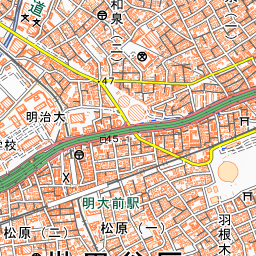
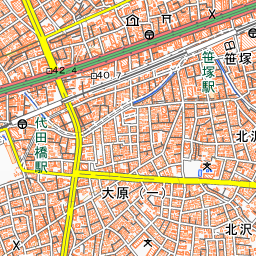
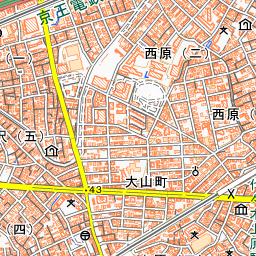
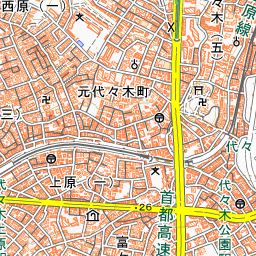
The nearest station is Komaba-todaimae Station on the Keio Inokashira Line, a 7-minute walk from the West Exit.
Before entering the museum, stand on the street and compare the Main Hall with the nagayamon of the West Hall. The Main Hall stands on the east side of the road, and the nagayamon stands on the west side. The Main Hall was built in a design that matches the nagayamon. The roof of the nagayamon is made of Oya Stone.
To preserve the building, visitors wear slippers inside the museum. The West Hall is open only on limited days, so please check the opening day calendar.
Walking about 180 meters to the north-northeast brings you to the Former Maeda Family Residence Western-style House.
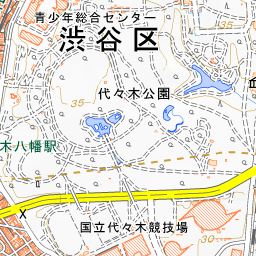
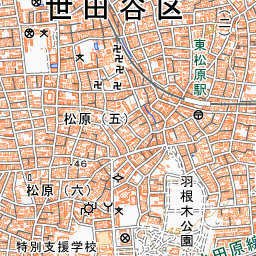
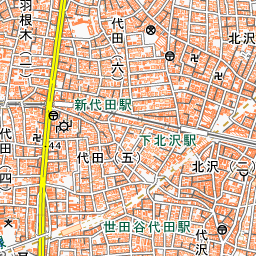
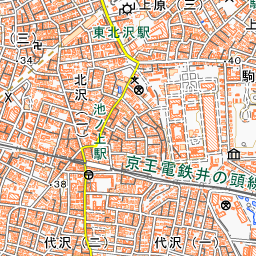
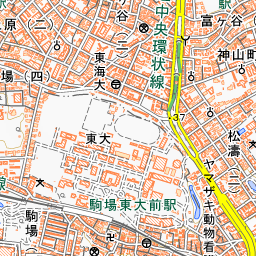
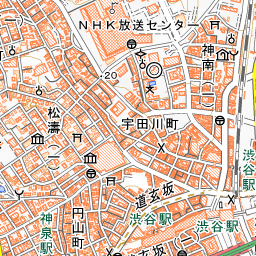
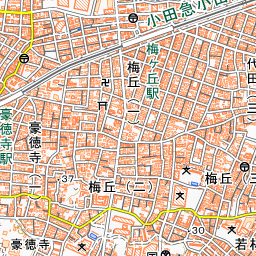


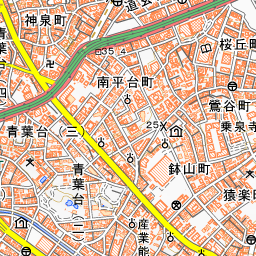
Spot location © OpenStreetMap contributors (ODbL)
Open in Google MapsGuides that include this spot (1)
Use asobot while you walk
- See where you are on the map and find spots nearby
- Listen to the guide's audio in course order, one after another (with subtitles)
- Walk to the next spot while following the map
Open on your phone
Scan to open this spot in asobot on your phone.