 ✨ AI Generated
Zen'yo-ji Temple
Japanese: 善養寺
Edogawa City, Tokyo
This information was written by AI and may contain mistakes. Please check official sources for opening hours, fees, and other details before you go.
Found a mistake? Let us know with “✏️ Something's wrong” on this spot's screen in asobot →
🎧 Audio guide(1:12)
In short
Zen'yo-ji Temple is a Buddhist temple of the Buzan School of Shingon Buddhism located in Higashi-Koiwa, Edogawa City, and is also known by the alternate name "Koiwa Fudoson." Within its grounds stands the Yogo Pine (Yogo no Matsu), a Japanese black pine designated as a National Natural Monument. Its branches spread approximately 30 meters from east to west and from north to south, and it is said to be the largest in Japan in terms of foliage coverage area.
- Yogo Pine: A Japanese black pine standing about 8 meters tall, estimated to be over 600 years old. At its base lies the "Yogo Stone," which bears the imprint of straw sandals (waraji).
- The Eastern Yokozuna Pine: A story remains that it vied for the title of Japan's best with the Okano Pine of Shikoku, and after the Chief Referee (Tate-gyoji) mediated the dispute, it was recommended as the "Eastern Yokozuna."
- Hoshifuri Pine (Star-Falling Pine): The pine that gave rise to the temple's mountain name (sango), "Seijuzan." Today, a second-generation pine has grown large.
History and Highlights
The official name of Zen'yo-ji Temple is Seijuzan Jizoin Zen'yo-ji. Its mountain name (sango) is pronounced "Seijuzan." The main image of worship (honzon) is Enmei Jizo Bosatsu.
According to temple tradition, a monk from Mount Daigo in Yamashiro followed the guidance of a prophetic dream, journeyed down to this region carrying a statue of Fudo Myo'o, and built a hall in 1527 (Daiei 7), which is regarded as the temple's founding. Historically, however, the travelogue Azumaji no Tsuto (1509, Eisho 6) by the renga poet Socho notes that Socho stopped by Zen'yo-ji Temple. During the Edo period, the temple was granted a shuinryo (shogunal domain confirmed with a vermilion seal) of 10 koku by the third shogun, Iemitsu.
A story has been passed down regarding the mountain name. Around the time of Iemitsu, just as the head priest, Monk Ken'yu, was completing his ascetic training, a star fell from the sky, settled atop a particularly tall pine within the grounds, and illuminated the surroundings. This pine is known as the "Hoshifuri Pine." The first generation withered in 1940 (Showa 15), and the second generation has now grown large.
The Yogo Pine spreading before your eyes is a Japanese black pine about 8 meters tall, said to be over 600 years old. At a height of 2 meters from the ground, its branches stretch out in all directions, spreading roughly 30 meters from east to west and from north to south. It is said to be the largest in Japan in terms of foliage coverage area. In 2011 (Heisei 23), it was designated a National Natural Monument.
Viewing and Experience Points
- The Yogo Pine and the Yogo Stone: "Yogo" refers to a deity or Buddha appearing in this world in temporary form. The square stone at the base is the "Yogo Stone." According to an old temple tale, a thief who attempted to steal ritual implements had his feet stuck to this stone, and after being admonished by the manifested Fudo Myo'o, he reformed. Footprints of straw sandals remain on the stone.
- The Pine That Became a Yokozuna: In 1979 (Showa 54), when a television program introduced the Yogo Pine as "Japan's best," objections arose claiming that the Okano Pine in Sanuki City, Kagawa Prefecture, was truly the best in Japan. The Chief Referee Kimura Shonosuke resolved the dispute with the judgment that "both are number one in Japan, making them the East and West Yokozuna," and Chairman Kasugano (the former Tochinishiki), a native of Koiwa, nominated the Yogo Pine as the Eastern Yokozuna. The Okano Pine later withered and was felled in 1994 (Heisei 6).
- Memorial Monument for the Eruption of Mount Asama: A memorial stone honoring the victims of the major eruption of Mount Asama in 1783 (Tenmei 3), designated as a Tangible Cultural Property of Tokyo. It is said that many bodies also washed ashore on the sandbar of the Edogawa River in front of the temple.
Visiting Tips
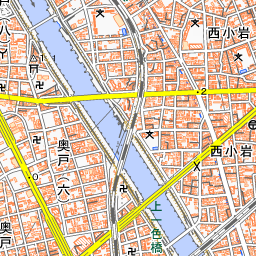
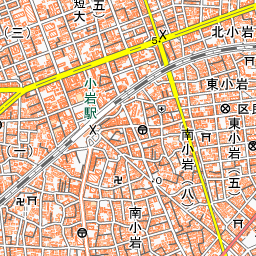
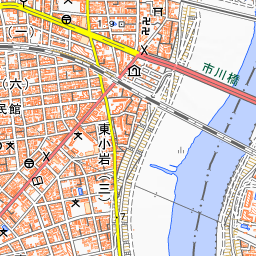
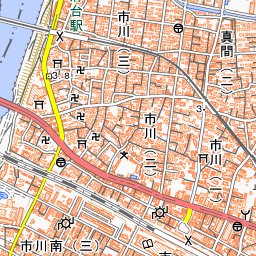
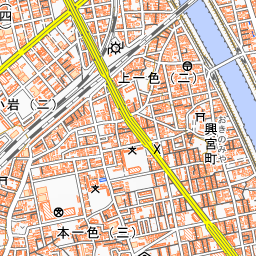
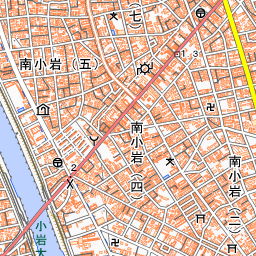
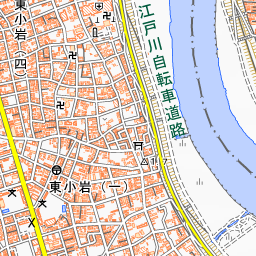
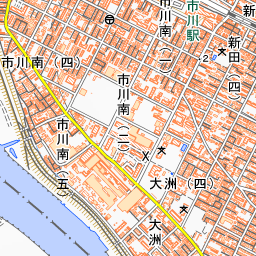
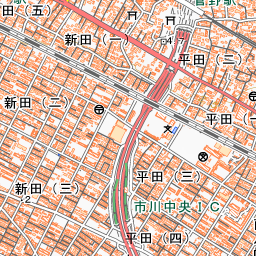
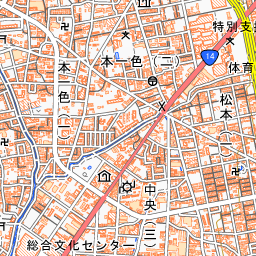
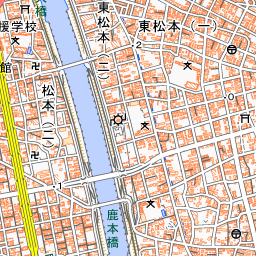
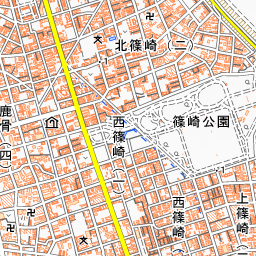
From the South Exit of JR Koiwa Station, take the Ko-72 bus, get off at "Edogawa Byoin-mae," and walk for 3 minutes. It is a 20-minute walk from Keisei Edogawa Station. The vermilion-lacquered Nio Gate is adorned with a large rope (yokozuna) sized to the thickness of the pine's trunk, dedicated by Chairman Kasugano. Yokozunayama is a mound made by piling up and compacting soil from the ring (dohyo) of children's sumo tournaments. Starting in mid-October each year, the "Yogo Chrysanthemum Exhibition" is held, displaying chrysanthemum works. Shibamata Taishakuten Temple is located about 3.7 kilometers to the north.

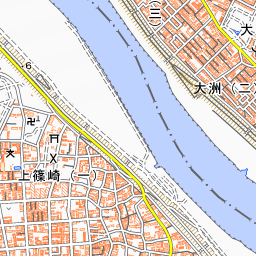
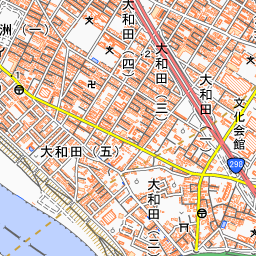
Spot location © OpenStreetMap contributors (ODbL)
Open in Google MapsUse asobot while you walk
- See where you are on the map and find spots nearby
- Listen to the guide's audio in course order, one after another (with subtitles)
- Walk to the next spot while following the map
Open on your phone
Scan to open this spot in asobot on your phone.