 ✨ AI Generated
Higashiyamato-Minami Park
Japanese: 東大和南公園
Higashiyamato, Tokyo
This information was written by AI and may contain mistakes. Please check official sources for opening hours, fees, and other details before you go.
Found a mistake? Let us know with “✏️ Something's wrong” on this spot's screen in asobot →
🎧 Audio guide(1:05)
In short
Higashiyamato-Minami Park is a Tokyo metropolitan sports park located in Higashiyamato City, Tokyo. Developed on a portion of the former site of the U.S. military Yamato Base, it opened in 1986. Standing within the grounds is the Former Hitachi Aircraft Company Substation, whose exterior walls still bear the marks of air raids from the final stages of the Pacific War. Visitors can also enjoy the fresh greenery, flowers, fruits, and autumn foliage of 120 species of trees.
- A Substation Bearing Bullet Marks: A designated cultural property of Higashiyamato City, featuring countless holes on its exterior walls caused by machine-gun strafing and bomb fragments.
- Sports Facilities: The park features tennis courts, a baseball field, and an athletic field with a 400-meter track.
- Acorn Woodland: In autumn, seven kinds of acorns mature, making the grove popular with children.
History and Highlights
Higashiyamato-Minami Park is a Tokyo metropolitan sports park located near Tamagawa-Josui Station. Created by developing a portion of the former site of the U.S. military Yamato Base, it opened on June 1, 1986, with an area of approximately 9.9 hectares.
A striking sight within the park is the Former Hitachi Aircraft Company Substation. In 1938, a large munitions factory producing military aircraft engines was constructed in what was then Yamato Village. The substation was a vital facility that stepped down high-voltage electricity delivered by transmission lines and routed it throughout the plant.
Toward the end of the Pacific War in 1945, the factory suffered three attacks. More than 100 people—including factory employees, mobilized students, and local residents—lost their lives. The substation's window frames and doors were blown away by the blasts, leaving countless crater-like holes in the walls. Even so, the reinforced concrete structure itself sustained no fatal damage.
After the war, the substation continued to supply electricity to the factory until 1993, with its primary machinery periodically updated while the scars on its outer walls remained untouched. Although slated for demolition when the grounds were being developed into a metropolitan park, preservation efforts by local residents and former employees bore fruit, leading to its preservation on its original site. Higashiyamato City designated it as a cultural property on October 1, 1995.
Highlights for Viewing and Experiencing
- Viewing the Wall Scars Up Close: The exterior walls covered in numerous bullet and shrapnel marks convey the ferocity of the attacks during the war. The interior is normally locked, but visitors can view it inside on designated public opening days.
- Standing in the Peace Square: The open area in front of the substation was named "Peace Square" by the city as a place to pass on the importance of peace to future generations. A citizens' gathering for peace is held annually in front of the substation. On February 17, April 19, and April 24—the dates the factory was bombed—the substation is also illuminated.
- Enjoying the Woodland and Trees: Visitors can admire the fresh greenery, flowers, fruits, and autumn foliage of 120 tree species. In the woodland, seven kinds of acorns appear in autumn, delighting children. Along with Japanese pygmy woodpeckers and Japanese tits, migratory dusky thrushes can also be observed.
Tips for Exploring
The park is a 5-minute walk from Tamagawa-Josui Station on the Seibu Haijima Line and the Tama Monorail. A recommended route is to first examine the scars on the exterior walls of the substation in the center of the park before strolling through the woodland.
In summer, many children can be seen playing in the artificial stream ("Nagare") and the paddling pool. In addition to tennis courts, a baseball field, and an athletic field with a 400-meter track, the park grounds also house a gymnasium and a swimming pool operated by Higashiyamato City.
The Tamagawa Aqueduct flows along the south side of the park. In the surrounding area, there is also the Murayama Reservoir (Lake Tama).
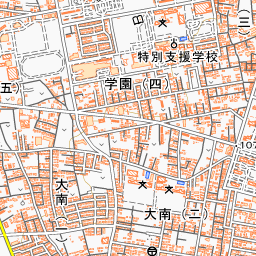


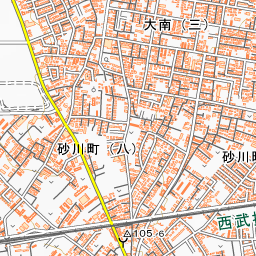
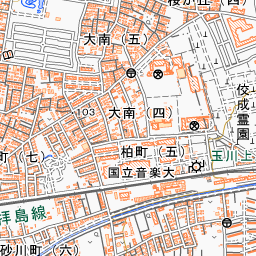
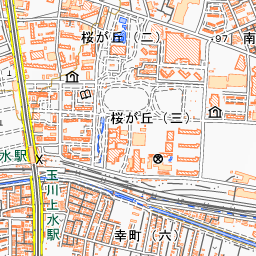
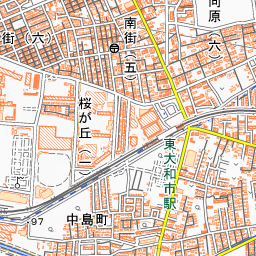
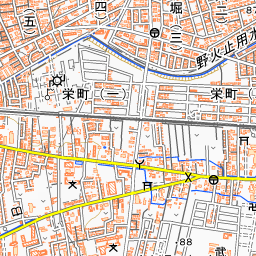
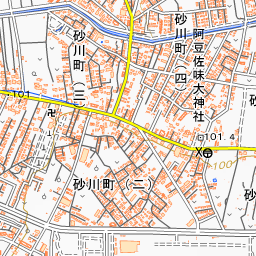
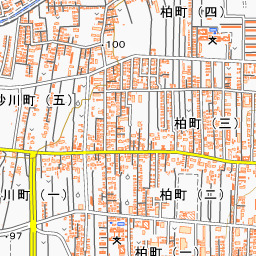

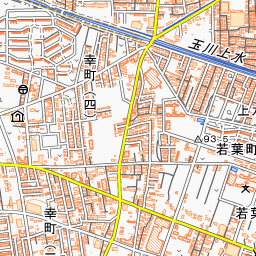
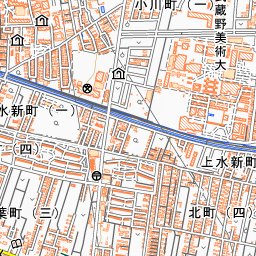
Spot location © OpenStreetMap contributors (ODbL)
Open in Google MapsUse asobot while you walk
- See where you are on the map and find spots nearby
- Listen to the guide's audio in course order, one after another (with subtitles)
- Walk to the next spot while following the map
Open on your phone
Scan to open this spot in asobot on your phone.