 ✨ AI Generated
Nagaoka Palace Site
Japanese: 長岡宮跡
Kyoto 向日市
This information was written by AI and may contain mistakes. Please check official sources for opening hours, fees, and other details before you go.
Found a mistake? Let us know with “✏️ Something's wrong” on this spot's screen in asobot →
🎧 Audio guide(1:05)
In short
The site of Nagaoka Palace, which was the center of Nagaoka-kyo, located in Muko City. In 784 (the 3rd year of the Enryaku era), Japan's capital was moved to this area from Heijo-kyo in Nara, and until it was relocated to Heian-kyo in the 13th year of Enryaku, important state facilities were lined up here, including the Daigokuden Hall, Chodoin, and the Dairi (Imperial Palace). In 1964 (Showa 39), the remains of the Daigokuden Hall and the Shoanden Hall were designated as a national Historic Site.
- Daigokuden Park: The site of the Daigokuden Hall, where the Emperor conducted state affairs and ceremonies. The pillars for the seven "hodo" banners, erected during the New Year's Day ceremony of the first New Year following the capital relocation, have been reconstructed, and the Daigokuden Festival is held here every year on November 11
- Chodoin Park: The site of the West Fourth Hall of the Chodoin, where nobles and officials gathered to conduct politics, is now a park
- Sites of the Dairi and Tsuiji: The pillar remains of the wall at the northwest corner of the Dairi have been reconstructed inside the park. Among the ruins of Nagaoka-kyo buried underground, the Tsuiji site is the only remaining trace of the capital left above ground
History and Highlights
Nagaoka Palace Site is the site of Nagaoka Palace, which was the center of Nagaoka-kyo, located in Muko City. In 784 (the 3rd year of the Enryaku era), Japan's capital was moved to this area from Heijo-kyo in Nara. Because it was a capital placed in Nagaoka Village, it was called Nagaoka-kyo. In particular, what is now Muko City contained the district of Nagaoka Palace, where important state facilities were lined up, including the Daigokuden Hall, Chodoin, and the Dairi (Imperial Palace). Although the capital was relocated to Heian-kyo 10 years later in the 13th year of Enryaku, the place name "Daigokuden" still remains today in Kaide-cho, Muko City.
In 1954, an excavation survey of the South Gate site of the Chodoin began, led by Nakayama Shuichi and others, and archaeological excavations have continued within the Nagaoka-kyo area ever since. In 1964, the remains of the Daigokuden Hall and the Shoanden Hall were designated as a national Historic Site. Subsequently, the sites of the Dairi, Chodoin, and Tsuiji (earthen walls) were also additionally designated.
Viewing and Experience Highlights
- Daigokuden Park: The Daigokuden Hall was the place where the Emperor conducted state affairs and ceremonies; it was the grandest building in the capital, featuring a tile roof and vermilion pillars standing on foundation stones. Bordering it on the north was the Shoanden Hall, also referred to as the rear hall. The site is now Daigokuden Park, where the pillars for the seven "hodo" banners, which were erected in front of the Daigokuden Hall during the New Year's Day ceremony of 785 (the 4th year of Enryaku)—the first New Year following the capital relocation—have been reconstructed. Every year on November 11, the Daigokuden Festival is held to commemorate the relocation of the capital.
- Chodoin Park: The Chodoin was the place where nobles and officials gathered to conduct politics, consisting of eight halls in total, with four halls on the east and four on the west south of the Daigokuden Hall, corresponding to today's National Diet Building. The site of the West Fourth Hall was confirmed through an excavation survey in 1982, and it is now a park. It is a 1-minute walk from Hankyu Nishi-Muko Station.
- Sites of the Dairi and Tsuiji: Southward from the grounds of Kita-Shinkyo-ji Temple, there was a 160-meter-square district for the Dairi. The pillar remains of the wall at the northwest corner have been reconstructed inside the park. The Tsuiji site is where the remains of a tile-roofed earthen wall measuring 2.1 meters in width and approximately 4.5 meters in height were discovered extending for about 80 meters. Among the ruins of Nagaoka-kyo buried underground, this is the only remaining trace of the ancient capital left above ground.
Walking Tips
Nagaoka Palace was arranged around Hankyu Nishi-Muko Station, and the historic site is now divided into five districts. In one corner of the palace site stands the Muko City Cultural Museum, built in 1984 to commemorate the 1,200th anniversary of the capital relocation, which is about a 12-minute walk from Higashi-Muko Station. The Nakayama Shuichi Memorial Museum is located in Nagaokakyo City, approximately 3.6 kilometers to the south.
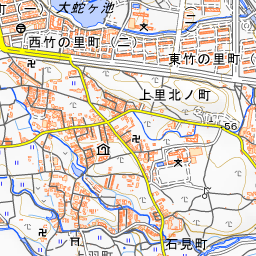
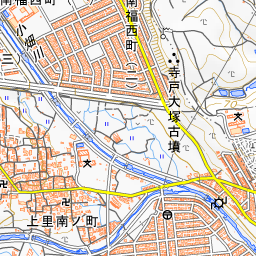
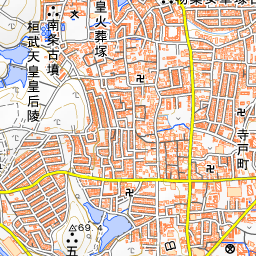
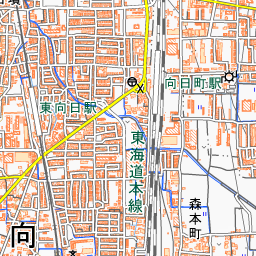
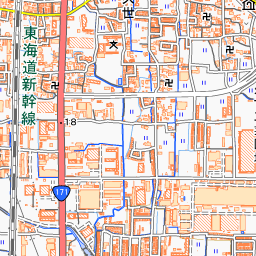
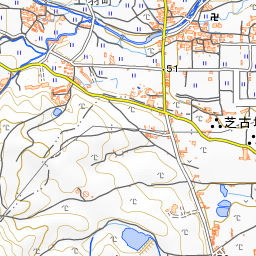
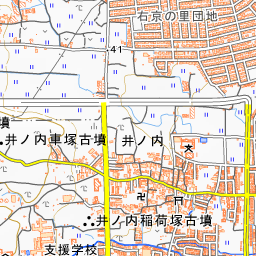
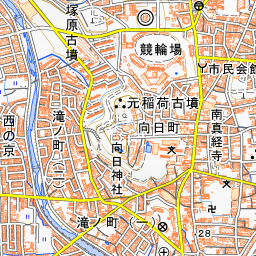
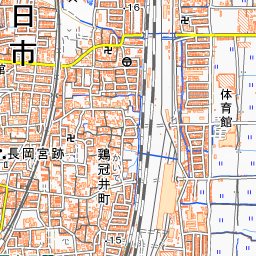
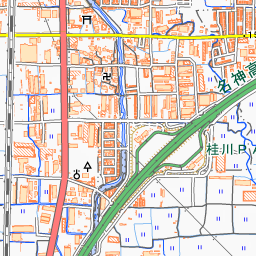
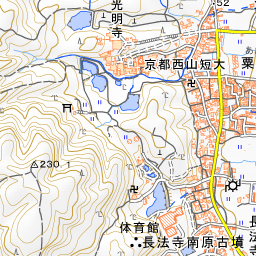
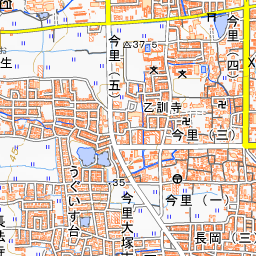
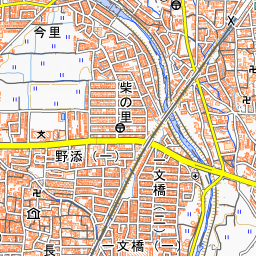
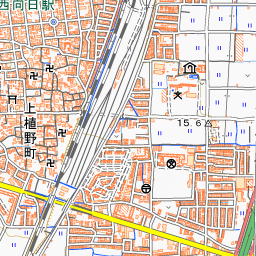

Spot location © OpenStreetMap contributors (ODbL)
Open in Google MapsUse asobot while you walk
- See where you are on the map and find spots nearby
- Listen to the guide's audio in course order, one after another (with subtitles)
- Walk to the next spot while following the map
Open on your phone
Scan to open this spot in asobot on your phone.