 ✨ AI Generated
Ebisu Bridge
Japanese: 戎橋
Chuo Ward, Osaka
This information was written by AI and may contain mistakes. Please check official sources for opening hours, fees, and other details before you go.
Found a mistake? Let us know with “✏️ Something's wrong” on this spot's screen in asobot →
🎧 Audio guide(1:05)
In short
A bridge spanning the Dotonbori River in the heart of Osaka's Minami district, situated in an area known for corporate neon signs and store billboards. It is said that the bridge was built at almost the same time the Dotonbori canal was excavated. The current bridge was completed in November 2007 (Heisei 19) and features a design based on circles.
- Glico Neon Sign: The Glico neon sign at the south end of the bridge has now become an Osaka landmark
- Tombori River Walk: Starting at Ebisu Bridge, the "Tombori River Walk" promenade has been developed along the Dotonbori River
- A Bridge Connecting Two Shopping Streets: The bridge connects Ebisubashisuji Shopping Street and Shinsaibashisuji Shopping Street, and in the Edo period, playhouses for kabuki and ningyo joruri (puppet theater) gathered around Ebisu Bridge
History and Highlights
Ebisu Bridge is a bridge spanning the Dotonbori River in the heart of Osaka's Minami district, situated in an area known for corporate neon signs and store billboards. It is said that the bridge was built around the same time the Dotonbori canal was excavated.
Regarding the origin of its name, theories include that it lay along the approach (sando) to Imamiya Ebisu-jinja Shrine, or that a divine statue from Nishinomiya Ebisu Shrine was erected here every New Year, though it is not definitively known. Because theater playhouses stood on the south side of the bridge, it was sometimes called "Ayatsuri-bashi" (Puppet Bridge), and just before the Meiji Restoration, it was also called "Eisei-bashi." As a town bridge crossed by many people making pilgrimages to Imamiya Ebisu-jinja Shrine, visiting graves at Sennichi Cemetery, or heading to entertainment spots, it was maintained with great effort and expense by the surrounding neighborhoods.
In 1878 (Meiji 11), it was replaced from a wooden bridge with an iron bridge, and in 1925 (Taisho 14), with a reinforced concrete bridge. The current bridge was rebuilt over a three-year period starting in 2004 (Heisei 16) and completed in November 2007 (Heisei 19). It features a design based on circles, with ramps provided on the outer sides of the railings.
Viewing and Experience Points
- Glico Neon Sign: The Glico neon sign at the south end of the bridge has now become an Osaka landmark. Along with the billboards lining both banks of the Dotonbori River, it offers a scenic view characteristic of Minami.
- Tombori River Walk: Starting at Ebisu Bridge, the "Tombori River Walk" promenade has been developed along the Dotonbori River. It is an ideal path for a stroll by the water.
- A Bridge Connecting Two Shopping Streets: From Namba Station to Ebisu Bridge is Ebisubashisuji Shopping Street, and from Ebisu Bridge to Nagahori-dori is Shinsaibashisuji Shopping Street. In the Edo period, playhouses for kabuki and ningyo joruri (puppet theater) gathered around Ebisu Bridge, which connects these two streets.
Strolling Tips
Dotonbori is about 180 meters to the east and Hozenji Yokocho about 170 meters to the southeast, making it possible to tour the sights of Minami on foot. A recommended route is walking south from Shinsaibashisuji Shopping Street about 480 meters north, emerging onto Ebisu Bridge, and heading toward Dotonbori. The bridge is always busy with pedestrians, so please be mindful of where you stand when taking photos.

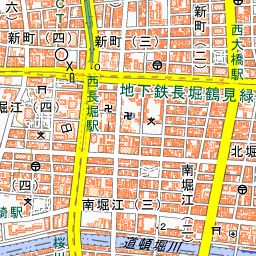
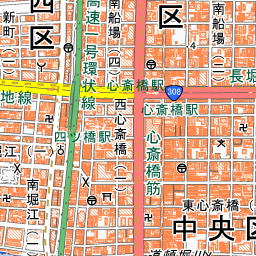
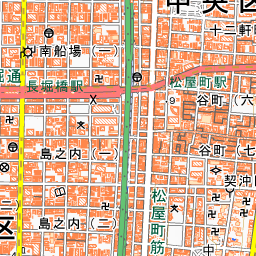
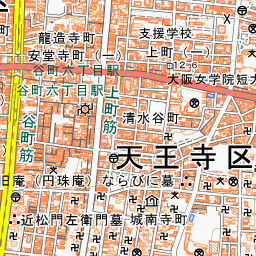
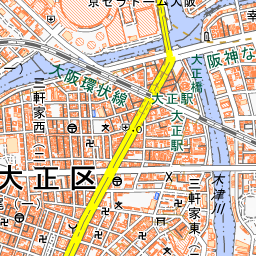
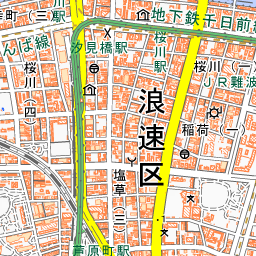
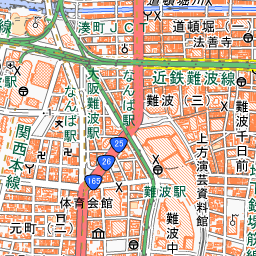
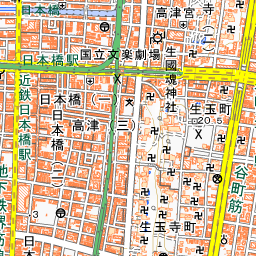
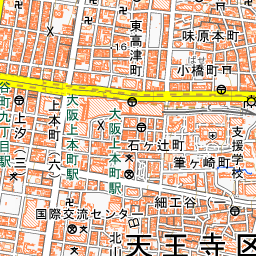
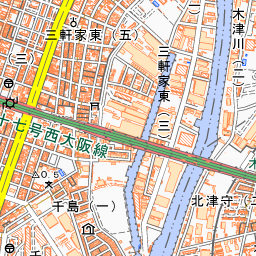

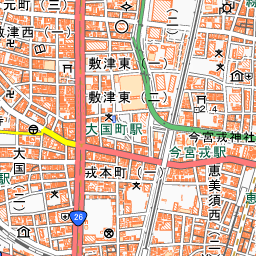
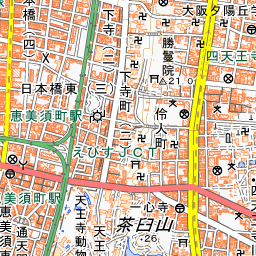
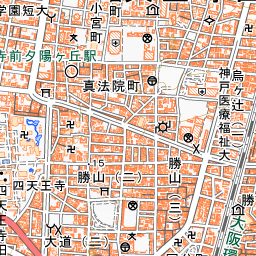
Spot location © OpenStreetMap contributors (ODbL)
Open in Google MapsUse asobot while you walk
- See where you are on the map and find spots nearby
- Listen to the guide's audio in course order, one after another (with subtitles)
- Walk to the next spot while following the map
Open on your phone
Scan to open this spot in asobot on your phone.