 ✨ AI Generated
Mt. Jinba
Japanese: 陣馬山
Hachioji, Tokyo
This information was written by AI and may contain mistakes. Please check official sources for opening hours, fees, and other details before you go.
Found a mistake? Let us know with “✏️ Something's wrong” on this spot's screen in asobot →
🎧 Audio guide(1:03)
In short
Mt. Jinba is an 855-meter-high mountain located on the border between Hachioji City, Tokyo, and Sagamihara City, Kanagawa Prefecture. It is the highest peak along the Oku-Takao ridge trail, and its broad, gentle summit is also called "Jinba Plateau." The origin of its name is not entirely clear, with theories suggesting it comes from the Takeda clan pitching camp (jin) here, among others.
- White Horse Statue: At the summit stands a statue of a white horse neighing toward Mt. Fuji, which has become the mountain's symbol.
- 360-Degree Views: On clear days, a grand panorama unfolds, looking east toward central Tokyo's skyscrapers and west toward Mt. Fuji.
- Seasonal Mountain Walks: Known as a cherry blossom viewing spot, it has also been selected as one of the Eighty-Eight Views of Hachioji. The autumn foliage season is also exceptional.
History and Highlights
Mt. Jinba is an 855-meter-high mountain on the border between Tokyo and Kanagawa Prefecture. Within Hachioji City, it is the second-tallest peak after Daigomaru. It is also the highest mountain along the Oku-Takao ridge trail that connects Mt. Takao, Mt. Kagenobu, and other peaks.
The summit is wide and gentle, and is also called "Jinba Plateau." The Tokyo side is designated as Tokyo Metropolitan Takao Jinba Natural Park, and the Kanagawa side as Kanagawa Prefectural Jinba Sagamiko Natural Park.
The symbol of the summit is the statue of a white horse neighing toward Mt. Fuji. This statue was donated in September 1969 by Keio Teito Electric Railway (now Keio Corporation) and erected by the Hachioji Tourist Association for tourism promotion.
The origin of the mountain's name is not definitively known. Theories include that it came from the Takeda clan setting up camp while attacking the Hojo clan of Sagami, or that it is a corruption of "chigayaba," referring to a place where cogon grass (chigaya) was harvested. Information provided by Kanagawa Prefecture considers the theory that Takeda Shingen used this location as a military base during the Sengoku period to be the most likely. It is also said that the tourism promotion using the white horse statue contributed to the written name of the mountain changing its "ba" character from one meaning "place" to one meaning "horse." The Kanagawa side of the summit was historically a place for cutting kaya (thatching grass), where grass harvesting was permitted starting on December 1 each year, and prescribed burning was conducted on March 10 to suppress weeds and insects.
Viewing and Experience Points
- The White Horse Statue and Mt. Fuji: The white horse statue at the summit stands facing Mt. Fuji. The summit is a scenic spot selected among the "100 Best Views of Mt. Fuji in Kanto" and the "50 Scenic Spots of Kanagawa." Try viewing the statue and Mt. Fuji side by side.
- 360-Degree Grand Panorama: On a clear day, you can enjoy a 360-degree view, with central Tokyo's skyscrapers to the east and Mt. Fuji to the west. Centering on Mt. Fuji, you can take in sights stretching to the Southern Alps, the mountains of Nikko, the Boso Peninsula, and Sagami Bay.
- Cherry Blossoms and Autumn Leaves: Mt. Jinba is known as a spot for cherry blossoms and has been selected as one of the Eighty-Eight Views of Hachioji. The autumn foliage season is exceptional. Events are also held throughout the year, such as viewing the first sunrise on New Year's Day and stamp rallies in spring and autumn.
Walking Tips
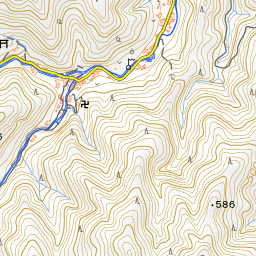
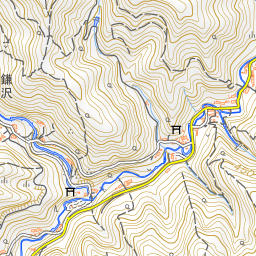
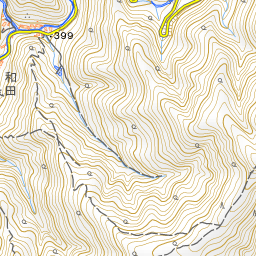
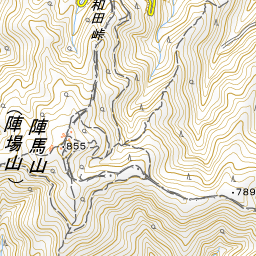
Take a bus bound for "Jinba-Kogen-shita" from the North Exit of Takao Station (Keio Line and JR), which takes about 40 minutes to the final stop. From there, it is about a 90-minute walk to the summit. From Jinba-Kogen-shita to Wada Pass takes about an hour uphill. From Wada Pass, the shortest route to the summit climbs an elevation difference of 155 meters in about 30 minutes. You can also walk the entire ridge toward Mt. Takao via Mt. Kagenobu, located about 4.5 kilometers to the east. The complete course from Takaosanguchi Station on the Keio Line to Jinba-Kogen-shita is 17 kilometers long and takes nearly 8 hours, making it suitable for experienced, strong walkers.
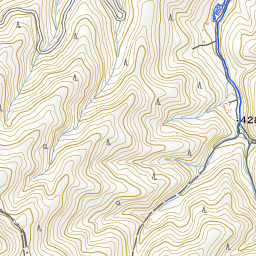
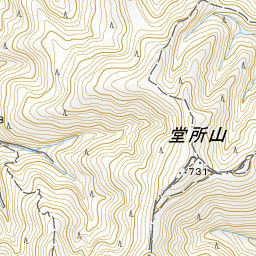
Spot location © OpenStreetMap contributors (ODbL)
Open in Google MapsUse asobot while you walk
- See where you are on the map and find spots nearby
- Listen to the guide's audio in course order, one after another (with subtitles)
- Walk to the next spot while following the map
Open on your phone
Scan to open this spot in asobot on your phone.