 ✨ AI Generated
Nanzen-ji Temple
Japanese: 南禅寺
Sakyo Ward, Kyoto
This information was written by AI and may contain mistakes. Please check official sources for opening hours, fees, and other details before you go.
Found a mistake? Let us know with “✏️ Something's wrong” on this spot's screen in asobot →
🎧 Audio guide(1:07)
In short
The head temple of the Nanzen-ji branch of Rinzai Zen Buddhism. It was originally a detached palace of Cloistered Emperor Kameyama, and in 1291 (Shoo 4) it was converted into a Zen temple, welcoming Zen master Mukan Fumon as the founding abbot. During the Muromachi period, Ashikaga Yoshimitsu placed it above the Five Mountain (Gozan) temples of Kyoto and Kamakura, and it was regarded as having the highest rank among Zen temples.
- Sanmon Gate: Also known as "Tenka-ryumon," it is counted among Japan's Three Great Gates. It was rebuilt in 1628 (Kan'ei 5) by Todo Takatora and stands about 22 meters high. The upper story is called Goho-ro and is also known for the legend of Ishikawa Goemon
- Hojo and the Garden of the Tiger Cubs Crossing: The Sho-hojo (Small Hojo) of the National Treasure Hojo houses the "Gunko-zu" (Flock of Tigers), said to have been painted by Kano Tan'yu. The karesansui (dry landscape) garden in front of the Dai-hojo (Large Hojo) is said to be the work of Kobori Enshu and, from the appearance of its giant stones, is popularly called the "Garden of the Tiger Cubs Crossing," designated a National Place of Scenic Beauty
- Suirokaku Aqueduct: A red-brick arched aqueduct bridge of the Lake Biwa Canal, completed in 1890. It was designated a National Treasure in 2025 as one of the Lake Biwa Canal facilities, becoming the first modern civil engineering structure to be named a National Treasure
History and Highlights
Nanzen-ji Temple is the head temple of the Nanzen-ji branch of Rinzai Zen Buddhism. It was originally Zenrinji-dono, a detached palace of Cloistered Emperor Kameyama. Retired Emperor Kameyama took the tonsure to become a cloistered emperor at this villa, and in 1291 (Shoo 4), he converted the palace into a Zen temple, welcoming Zen master Mukan Fumon (Daimin Kokushi) as the founding abbot. Zen master Mukan passed away within that same year, and the second-generation abbot, Zen master Kian Soen, spent about 15 years constructing the temple complex, which is why he is also called the founding abbot who built the temple.
During the Muromachi period, Ashikaga Yoshimitsu placed Nanzen-ji Temple above the Five Mountain (Gozan) temples of Kyoto and Kamakura, giving it the highest rank among Zen temples. All the halls were completely burned down in the warfare of 1467 (Onin 1), but they were later rebuilt, and today structures such as the Hojo (Abbot's Quarters), designated a National Treasure, and the Sanmon Gate, an Important Cultural Property of Japan, stand on the grounds.
Viewing and Experience Highlights
- Sanmon Gate: Also known as "Tenka-ryumon," it is counted among Japan's Three Great Gates. The current gate was rebuilt in 1628 (Kan'ei 5) by Todo Takatora to pray for the repose of his retainers who fell in the Siege of Osaka (Summer Campaign), and stands about 22 meters high. The upper story is called Goho-ro and is also known for the legend of Ishikawa Goemon from the kabuki play "Sanmon Gosan no Kiri."
- Hojo and the Tiger Cubs Crossing Garden: The National Treasure Hojo consists of the Dai-hojo (Large Hojo) and the Sho-hojo (Small Hojo) continuing behind it. The Dai-hojo was constructed using a building gifted from the Imperial Palace during the Keicho era, while the Sho-hojo houses the "Gunko-zu" (Flock of Tigers), said to have been painted by Kano Tan'yu, and is called the "Tiger Room." The karesansui (dry landscape) garden in front of the Dai-hojo is said to be the work of Kobori Enshu and, from the appearance of its giant stones, is popularly called the "Garden of the Tiger Cubs Crossing," designated a National Place of Scenic Beauty.
- Suirokaku Aqueduct: Passing near Nanzen-ji Temple, this is a red-brick arched aqueduct bridge of the Lake Biwa Canal, completed in 1890. Blending seamlessly with the atmosphere of the ancient temple, the Nanzen-ji Suirokaku Aqueduct was designated a National Treasure in 2025 as one of the Lake Biwa Canal facilities, becoming the first modern civil engineering structure to be named a National Treasure.
Tips for Exploring
It is about a 10-minute walk from Keage Station on the Tozai Subway Line, and passing through the tunnel known as the Nejiri-manpo Tunnel serves as a shortcut to the temple grounds. By city bus, it is about a 10-minute walk from either "Higashitennocho" or "Nanzenji Eikando-michi." The Hatto (Dharma Hall) was rebuilt in 1909 (Meiji 42), and on its ceiling is a coiled dragon (banryu) painted by artist Imao Keinen. Walking together with the nearby Eikando Zenrin-ji Temple, Murin-an Garden, and the Lake Biwa Canal allows you to enjoy both the temples at the foot of Higashiyama and the scenery of the Meiji-era canal.


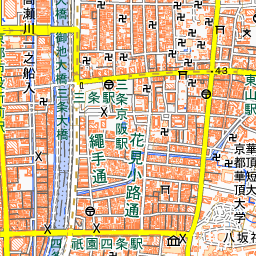


Spot location © OpenStreetMap contributors (ODbL)
Open in Google MapsGuides that include this spot (2)
Use asobot while you walk
- See where you are on the map and find spots nearby
- Listen to the guide's audio in course order, one after another (with subtitles)
- Walk to the next spot while following the map
Open on your phone
Scan to open this spot in asobot on your phone.