 ✨ AI Generated
Tenri University Sankokan Museum
Japanese: 天理大学附属天理参考館
Tenri, Nara
This information was written by AI and may contain mistakes. Please check official sources for opening hours, fees, and other details before you go.
Found a mistake? Let us know with “✏️ Something's wrong” on this spot's screen in asobot →
🎧 Audio guide(1:05)
In short
Tenri University Sankokan Museum is a university museum that collects and exhibits materials on living cultures and archaeological art from around the world. It began in 1930 as the "Overseas Reference Room" set up within Tenri Foreign Language School, and today houses approximately 300,000 items. Around 3,000 of these are displayed across two sections: "World Living Cultures" and "World Archaeological Art."
- World Living Cultures: Introduces daily life from various parts of the world, including the Ainu, the Korean Peninsula, Bali, Papua New Guinea, and Mexico.
- Human-shaped Haniwa: Houses two Important Cultural Property haniwa unearthed in Gunma Prefecture: a formally dressed man and a warrior.
- Furu Site: An archaeological site extending around the museum, where the powerful Mononobe clan flourished during the Kofun period.
History and Highlights
Tenri University Sankokan Museum is an affiliated museum of Tenri University. Its aim is to foster mutual understanding of hearts and minds by learning about the history and lifestyles of people living in various parts of the world through global materials.
Its history began in 1930 (Showa 5). In that year, the "Overseas Reference Room" was established within Tenri Foreign Language School, the predecessor of Tenri University. The founder was Nakayama Shozen, the second Shinbashira (spiritual leader) of Tenrikyo. He believed that to nurture individuals who would spread the teachings abroad, it was necessary to learn not only languages, but also local manners and customs. In 1950, it became an affiliated facility of Tenri University and took its current name.
In November 2001 (Heisei 13), a new building was completed, and the museum reopened with a fresh look. The building is the South-Right First Wing of Tenrikyo's "Oyasato-yakata." The collection numbers around 300,000 items, of which about 3,000 are displayed in two divisions. The first and second floors house "World Living Cultures," and the third floor houses "World Archaeological Art."
"World Living Cultures" presents daily life from various regions, including the Ainu, the Korean Peninsula, China and Taiwan, Bali, Borneo, India, Mexico and Guatemala, and Papua New Guinea. It also covers Japanese emigration and missionary work to the Americas, as well as transportation in daily life. "World Archaeological Art" features materials from Japan, the Korean Peninsula, China, the Near East (Orient), and the Furu Site.
Viewing and Experience Points
- Haniwa in Kingly Attire: The Important Cultural Property haniwa of a formally dressed man wears a crown and a necklace, seated cross-legged. It captures the moment his hand reaches for the sword hanging from his left hip. It is a 6th-century haniwa unearthed in Takasaki City, Gunma Prefecture.
- Fully Armed Warrior: The warrior haniwa, also an Important Cultural Property, wears a helmet and armor reaching above the knees, holds a bow, and carries arrows and a sword at the hip. Measuring 134.1 centimeters in height, it was unearthed in Ota City, Gunma Prefecture.
- Decorated Horse: The 5th-century horse-shaped haniwa from Tsurukubi Tomb No. 1 in Tenri City depicts a horse elaborately decorated for a ceremony. Even the bells on the chest ornaments and the saddle flaps (aori) for mud protection are represented.
Tips for Exploring
The museum is about a 20-minute walk from Tenri Station. Spread around the museum is the Furu Site, where people have lived since the Paleolithic period. During the Kofun period, the powerful Mononobe clan flourished in this area. In fiscal year 2022, the museum took over the excavation research materials from this site. Long temporary closures may occur, so be sure to check the opening days before visiting. Tenrikyo Church Headquarters is about 430 meters to the north, and Isonokami-jingu Shrine is about 860 meters to the east.
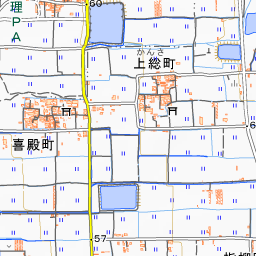
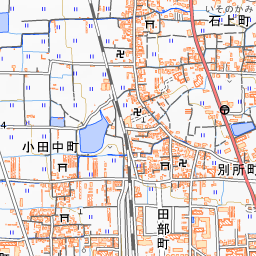
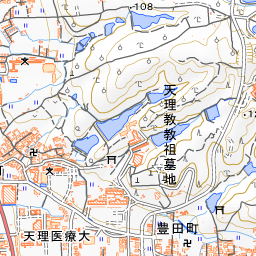
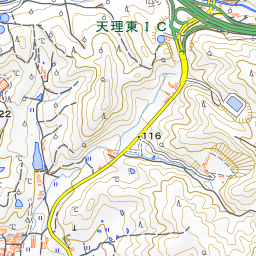
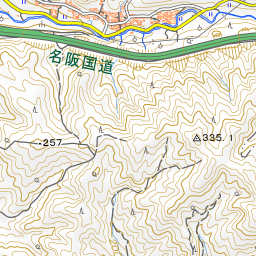
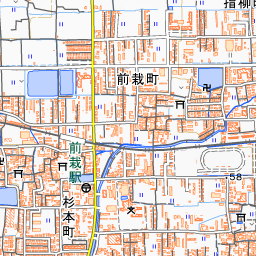
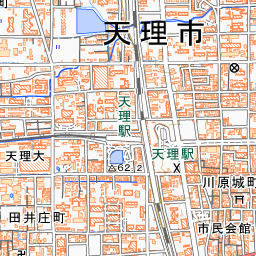
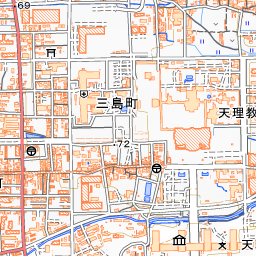
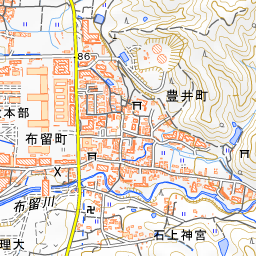
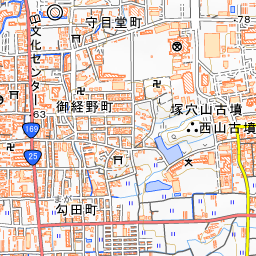
Spot location © OpenStreetMap contributors (ODbL)
Open in Google MapsUse asobot while you walk
- See where you are on the map and find spots nearby
- Listen to the guide's audio in course order, one after another (with subtitles)
- Walk to the next spot while following the map
Open on your phone
Scan to open this spot in asobot on your phone.