 ✨ AI Generated
Hiroshima National Peace Memorial Hall for the Atomic Bomb Victims
Japanese: 国立広島原爆死没者追悼平和祈念館
Naka Ward, Hiroshima
This information was written by AI and may contain mistakes. Please check official sources for opening hours, fees, and other details before you go.
Found a mistake? Let us know with “✏️ Something's wrong” on this spot's screen in asobot →
🎧 Audio guide(1:02)
In short
The Hiroshima National Peace Memorial Hall for the Atomic Bomb Victims is a facility established by the national government to engrave the precious sacrifices of the atomic bomb victims in people's minds, pray for lasting peace, broaden understanding of the horrors of the atomic bombing worldwide, and pass on the experiences of the atomic bombing to the next generation. Based on the Atomic Bomb Survivors Support Law, it opened on August 1, 2002.
- Hall of Remembrance: A cylindrical space on the second basement floor, whose walls feature a 360-degree panorama of the post-bombing cityscape as seen from around the former Shima Hospital. Approximately 140,000 tiles, the same number as the people who died by the end of 1945, are used for this panorama
- Portraits of the Deceased: The names and photographic portraits of the atomic bomb victims submitted by bereaved families are displayed sequentially on large screens
- Special Library: Visitors can read and watch memoirs and commemorative records written by atomic bomb survivors, as well as testimony videos
History and Highlights
The Hiroshima National Peace Memorial Hall for the Atomic Bomb Victims is a facility established by the national government to engrave the precious sacrifices of the atomic bomb victims in people's minds, pray for lasting peace, broaden understanding of the horrors of the atomic bombing worldwide, and pass on the experiences of the atomic bombing to the next generation. Based on the Atomic Bomb Survivors Support Law, it opened on August 1, 2002.
The building consists of one floor above ground and two basement levels, with the entrance located on the first basement floor. Above ground, there is a monument representing 8:15 a.m., the time the atomic bomb was dropped. The monument is equipped with a water fountain to mourn those who died seeking water, and atomic-bombed roof tiles unearthed from the site during construction are placed around it.
From the first basement floor, visitors walk down a spiral slope in a counterclockwise direction. As you descend, the structure is designed to take you back in time from the present to Hiroshima immediately after the bombing.
Key Viewing and Experience Points
- Hall of Remembrance: A cylindrical space located on the second basement floor. The walls feature a 360-degree panorama of the post-bombing cityscape as seen from around the former Shima Hospital at the hypocenter. Approximately 140,000 tiles—the same number as the people who died by the end of 1945—are used for this panorama. Below the panorama, the names of the neighborhoods at the time of the bombing are displayed according to their directional orientation. In the center stands a monument representing 8:15 a.m., where water is offered.
- Portraits of the Deceased: The names and photographic portraits of the atomic bomb victims submitted by bereaved families are displayed sequentially on large screens. This conveys that the atomic bomb took many lives regardless of age, gender, or occupation.
- Special Library: Visitors can read and watch memoirs and commemorative records written by atomic bomb survivors, as well as testimony videos. Initiatives such as reading sessions of memoirs and translations into foreign languages are also conducted.
Tips for Visiting
The memorial hall is located near the Hiroshima Peace Memorial Museum and the Cenotaph for the A-bomb Victims, allowing visitors to visit them together. Detailed information is provided at each spot. Since the inside of the hall is a place of mourning for the deceased, please lower your voice and spend your time quietly. In the Hall of Remembrance, it is recommended to take your time while looking at the panorama and the names of the neighborhoods.

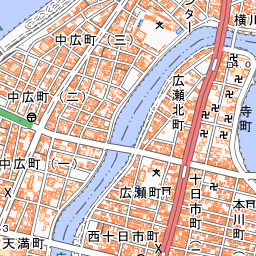
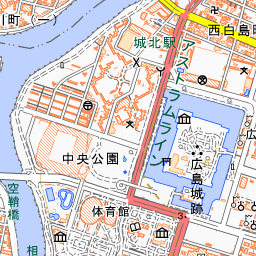
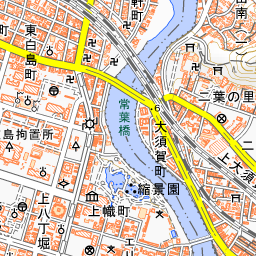
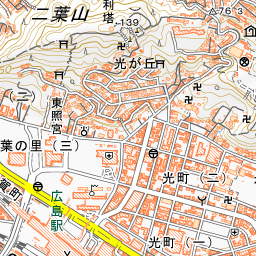
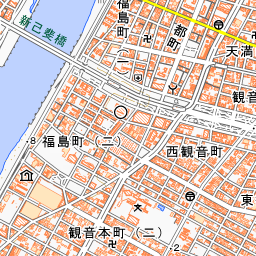
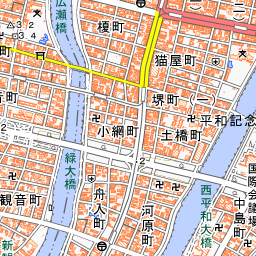
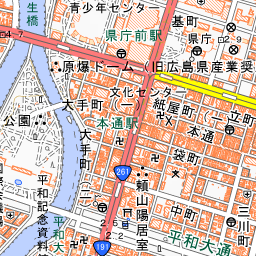
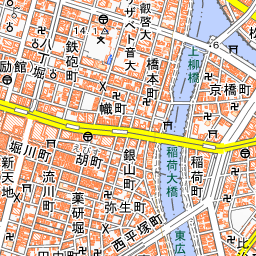
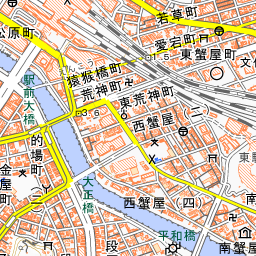
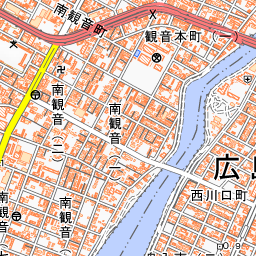
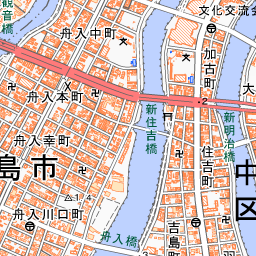
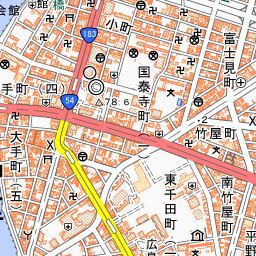
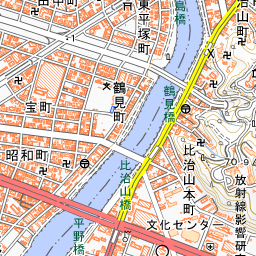

Spot location © OpenStreetMap contributors (ODbL)
Open in Google MapsGuides that include this spot (1)
Use asobot while you walk
- See where you are on the map and find spots nearby
- Listen to the guide's audio in course order, one after another (with subtitles)
- Walk to the next spot while following the map
Open on your phone
Scan to open this spot in asobot on your phone.