 ✨ AI Generated
Ome-juku
Japanese: 青梅宿
Ome, Tokyo
This information was written by AI and may contain mistakes. Please check official sources for opening hours, fees, and other details before you go.
Found a mistake? Let us know with “✏️ Something's wrong” on this spot's screen in asobot →
🎧 Audio guide(1:03)
In short
Ome-juku is the central urban district of Ome, spreading around JR Ome Station. It was a post town along a secondary road leading from Edo to the Koshu region, and markets were also held there starting in the medieval period. This highway was developed to transport lime used for the white plaster walls of Edo Castle, and is known today as the Ome Kaido road. Even today, within walking distance of the station, merchant residences from the Edo period, a shrine dating back to 1369, and private residences from the early Showa period remain.
- Former Inaba Residence: The former home of a wealthy merchant who served as a town elder (machi-doshiyori) of Ome-juku, featuring a preserved earthen-walled storehouse (misedo).
- Sumiyoshi-jinja Shrine: A shrine that traces its beginnings back to 1369 (the 2nd year of the Oan era), when the deity of Sumiyoshi Taisha was ritually invited and enshrined.
- Showa-Retro Town Revitalization: Starting from Ome Station, community revitalization initiatives themed around Showa-era retro culture have been carried out.
History and Highlights
Ome-juku is the central urban district of Ome that spreads around JR Ome Station. The town of Ome developed as a valley-mouth settlement where the Tama River flows out from the Kanto Mountains into the Musashino Plateau. Markets were held here from the medieval period, and it also served as a post town on the secondary route connecting Edo and Koshu.
This road is the present-day Ome Kaido road. In 1606 (Keicho 11), major renovations at Edo Castle created a large demand for the lime used in its white plaster walls. To transport lime quarried in what is now Kaminariki and Kitaosoki in Ome City, Okubo Nagayasu developed a route spanning about 11 ri between Edo and Ome-juku. During the Edo period, this route was called by names such as the Ome-michi or Edo-michi.
Later, as a shortcut to Koshu, the highway saw heavy traffic from travelers. Ome-juku grew as devotion to Mt. Mitake and commerce focused on textiles flourished. Ome was a textile-producing region known for Ome-jima (striped fabric used for bedding) and Ome cotton.
The place name "Ome" (literally "green plum") is associated with a legend concerning Taira no Masakado. According to the story, when Masakado made a vow and planted a plum branch, the fruits that grew remained green even after ripening, which led to the name Ome. That plum tree is called "Masakado's Vow Plum" (Masakado chikai no ume) and remains in the inner courtyard of Kongo-ji Temple.
Viewing and Experience Points
- Former Inaba Residence: The former residence of the Inaba family, who served as town elders (machi-doshiyori) of Ome-juku during the Edo period. The Inaba family was one of the leading wealthy merchant houses in Ome, dealing in timber and acting as wholesale brokers for Ome-jima cloth. The earthen-walled main house, known as a "misedo" (shop storehouse), is believed to have been built in the late Edo period and is designated as a Tangible Folk Cultural Property of Tokyo. Designed with an earthen-floor space spanning the entire street frontage, it features beams and pillars made from Shioji timber from Okutama.
- Sumiyoshi-jinja Shrine: This shrine began in 1369 (the 2nd year of the Oan era) when the deity of Sumiyoshi Taisha was ritually invited and enshrined. On the ceiling of the worship hall (haiden), which is surrounded by numerous sculptures, is a cloud dragon painting by Kobayashi Ten'en, a man of letters from Ome in the late Edo period.
- Tsukumo Residence: The Tsukumo Residence is a home built between 1931 and 1934 (Showa 6 to 9) by Tsukumo Kunitoshi, a local former member of the House of Representatives. It was constructed by inviting temple carpenters from Kyoto to collaborate with local carpenters from Ome. It showcases an architectural style popular in the early Showa period, incorporating Japanese, Western, and Chinese elements.
Walking Tips
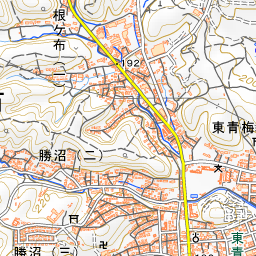
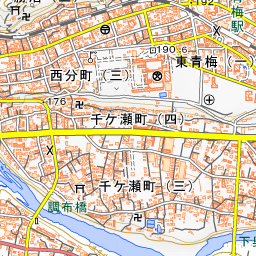
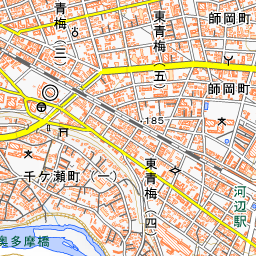
You can start your stroll on foot from Ome Station on the JR Ome Line. Starting from Ome Station, Ome-juku has undertaken town revitalization efforts themed around Showa-era retro culture. In 2005, Ome Station was adorned with Showa-inspired decorations and became a "Retro Station." From the station, it is about a 3-minute walk to Sumiyoshi-jinja Shrine, about 6 minutes to the Tsukumo Residence, and about 10 minutes to the Former Inaba Residence. Kongo-ji Temple, which is home to "Masakado's Vow Plum," is about a 15-minute walk from the station. Ome Railway Park is located about 520 meters to the east-northeast.

Guides that include this spot (1)
Use asobot while you walk
- See where you are on the map and find spots nearby
- Listen to the guide's audio in course order, one after another (with subtitles)
- Walk to the next spot while following the map
Open on your phone
Scan to open this spot in asobot on your phone.