 ✨ AI Generated
Sen no Rikyu Residence Site
Japanese: 千利休屋敷跡
Sakai Ward, Sakai, Osaka
This information was written by AI and may contain mistakes. Please check official sources for opening hours, fees, and other details before you go.
Found a mistake? Let us know with “✏️ Something's wrong” on this spot's screen in asobot →
🎧 Audio guide(1:12)
In short
The place where the residence of Sen no Rikyu, who perfected wabicha (the wabi style of tea ceremony), is said to have stood. Rikyu was born in 1522 (Daiei 2) into the Totoya, a wealthy merchant family of Sakai; he studied chanoyu (the tea ceremony) under Kitamuki Dochin, and later studied under Takeno Joo. He served as tea master to Oda Nobunaga and Toyotomi Hideyoshi, and under Hideyoshi, as the foremost tea master, he devoted great effort to events such as holding the Grand Kitano Tea Ceremony, and was praised as the "greatest tea master under heaven."
- Tsubaki no Ido (Camellia Well): A well that remains at the residence site. It is said that camellia charcoal was sunk at the bottom of the well
- Well Shelter Built with Old Timber from the Daitoku-ji Temple Main Gate: The well shelter was built using old timber from the sanmon (main gate) of Daitoku-ji Temple in Kyoto, a temple associated with Rikyu. There are various theories regarding the reason Rikyu was ordered to commit seppuku, and one of them is that Hideyoshi was enraged that a wooden statue of Rikyu had been placed atop the gate
- Tea Rooms Facing the Residence Site: The chanoyu experience facilities of Sakai Plaza of Rikyu and Akiko are built facing this residence site. Equipped with a ryurei (chair-seated) tea area and authentic tea rooms, they let visitors become familiar with Rikyu's tea ceremony alongside the residence site
History and Highlights
The Sen no Rikyu Residence Site is said to be the location where the residence of Sen no Rikyu, who perfected wabicha (the wabi style of tea ceremony), once stood.
Sen no Rikyu was born in 1522 into a wealthy merchant family, the Totoya (fish merchants), in Sakai. At the age of 17, he began studying chanoyu (the tea ceremony) under Kitamuki Dochin, and later studied under Takeno Joo, going on to perfect the art of the tea ceremony. Born into a Sakai merchant house, Rikyu spent the majority of his life in Sakai. He served as tea master to Oda Nobunaga and Toyotomi Hideyoshi. Under Hideyoshi in particular, he served as the foremost tea master, devoting great effort to events such as holding the Grand Kitano Tea Ceremony, and was praised as the "greatest tea master under heaven."
Remaining at the residence site is the "Tsubaki no Ido" (Camellia Well), in which camellia charcoal is said to have been sunk at the bottom. The idoyakata (well shelter) was built using old timber from the sanmon (main gate) of Daitoku-ji Temple in Kyoto, a temple associated with Rikyu.
Points for Viewing and Experiencing
- Tsubaki no Ido (Camellia Well): A well that remains at the residence site. It is said that camellia charcoal was sunk at the bottom of the well.
- Well Shelter Built with Old Timber from the Daitoku-ji Temple Main Gate: There are various theories regarding the reason Rikyu was ordered to commit seppuku (ritual suicide), and one of them involves the sanmon gate of Daitoku-ji Temple. According to this theory, Rikyu provided the funds for the renovation of the gate, and in gratitude, a wooden statue of Rikyu was placed atop the gate, which enraged Hideyoshi. Wood from that gate was used for the well shelter.
- Tea Rooms Facing the Residence Site: The chanoyu experience facilities of Sakai Plaza of Rikyu and Akiko are built facing this residence site. Equipped with a ryurei (chair-seated) tea area and authentic tea rooms, visitors can become familiar with Rikyu's tea ceremony alongside the residence site.
Walking Tips
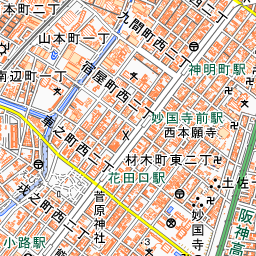
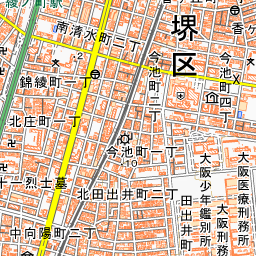
The nearest stop is Shukuin Stop on the Hankai Line. Across the street at Sakai Plaza of Rikyu and Akiko is the Sen no Rikyu Chanoyu Museum, where you can trace Rikyu's footprints. Near the plaza, there is also a Japanese confectionery shop selling keshi-mochi (poppy seed rice cakes), which are said to have become widely known as a tea sweet because Rikyu favored them.
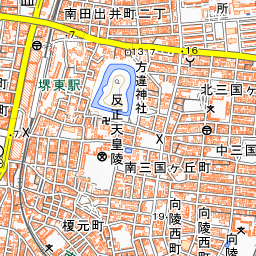
About 360 meters to the east is Aguchi-jinja Shrine, and about 780 meters to the south is Nanshu-ji Temple.


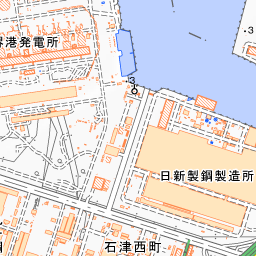
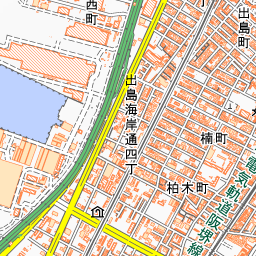
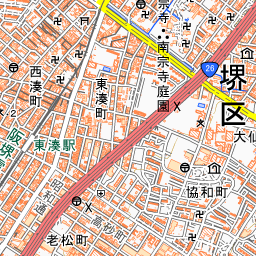
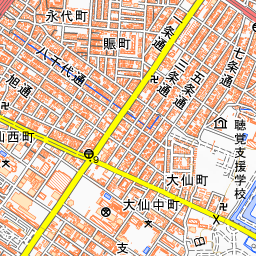
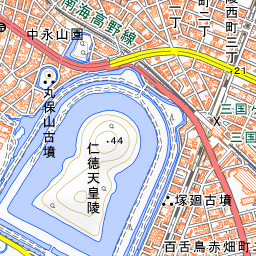
Spot location © OpenStreetMap contributors (ODbL)
Open in Google MapsUse asobot while you walk
- See where you are on the map and find spots nearby
- Listen to the guide's audio in course order, one after another (with subtitles)
- Walk to the next spot while following the map
Open on your phone
Scan to open this spot in asobot on your phone.