 ✨ AI Generated
National Bihoku Hillside Park
Japanese: 国営備北丘陵公園
Shobara, Hiroshima
This information was written by AI and may contain mistakes. Please check official sources for opening hours, fees, and other details before you go.
Found a mistake? Let us know with “✏️ Something's wrong” on this spot's screen in asobot →
🎧 Audio guide(1:08)
In short
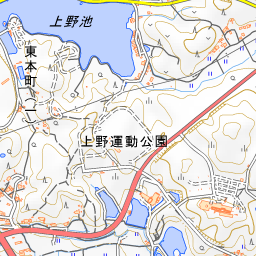
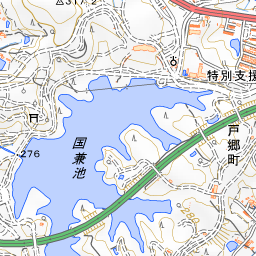
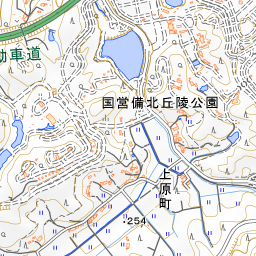
National Bihoku Hillside Park is located in Shobara and is the only national government park in the Chugoku region. Created on the shores of Kunikane Pond and on hills featuring Japanese red pine forests, it covers an area of approximately 340 hectares. The entire park opened in 2012.
- Hiba-no-Sato: An area that recreates the traditional rural scenery of the Bihoku region, including residences, farmhouses, and agricultural fields, where various seasonal hands-on activities are held, such as soba noodle making, straw craft, rice harvesting, and mochi pounding
- Seasonal Flowers: Flowers bloom one after another throughout the seasons, such as daffodils and tulips in spring and cosmos in autumn
- Winter Illuminations: In winter, illumination events have been held that decorate the grounds with many lights at night
History and Highlights
National Bihoku Hillside Park is located in Shobara and is the only national government park in the Chugoku region. Created on hills featuring Japanese red pine forests and the shores of Kunikane Pond, it covers an area of approximately 340 hectares and spans about 3.5 kilometers from east to west. The park was approved as a national project in 1982, and an area of about 80 hectares first opened in April 1995. The park was expanded gradually thereafter, and the entire park opened in 2012.
The grounds are divided into several areas, including Naka-no-Hiroba (Central Square), Hiba-no-Sato, Hana-no-Hiroba (Flower Square), the Large Lawn Area, Tsudoi-no-Sato, Minori-no-Sato, and Ikoi-no-Mori. Visitors can enjoy a diverse range of activities that make use of the hilly terrain, from satoyama village landscapes that offer a glimpse into traditional rural life, to seasonal flowers and expansive lawn areas.
Highlights of Viewing and Experiences
- Hiba-no-Sato: An area that recreates the traditional rural scenery of the Bihoku region, including residences, farmhouses, and agricultural fields. Various seasonal hands-on activities are held here, such as soba noodle making, straw craft, konjac making, rice harvesting, and mochi pounding.
- Seasonal Flowers: Flowers bloom one after another throughout the seasons, such as daffodils and tulips in spring and cosmos in autumn. In autumn, events have been held to enjoy the entire Flower Square blanketed in cosmos.
- Winter Illuminations: In winter, illumination events have been held that decorate the grounds with countless lights at night. Visitors can enjoy the park wrapped in light, presenting a different appearance from the daytime.
Tips for Exploring
The park is very large, so deciding which areas you want to see in advance will allow for a comfortable visit. If you wish to take your time enjoying the activities at Hiba-no-Sato and the Flower Square, planning for about half a day to a full day is recommended. As the available activities and peak flower blooming periods change depending on the season and the year, be sure to check the park's official information before setting out.
Guides that include this spot (1)
Use asobot while you walk
- See where you are on the map and find spots nearby
- Listen to the guide's audio in course order, one after another (with subtitles)
- Walk to the next spot while following the map
Open on your phone
Scan to open this spot in asobot on your phone.