
Nishi-Ogikubo
Japanese: 西荻窪
Suginami City, Tokyo
This information was written by AI and may contain mistakes. Please check official sources for opening hours, fees, and other details before you go.
Found a mistake? Let us know with “✏️ Something's wrong” on this spot's screen in asobot →
🎧 Audio guide(0:59)
In short
Nishi-Ogikubo is a neighborhood in Suginami Ward centered around Nishi-Ogikubo Station on the JR Chuo Line. Affectionately known as "Nishiogi," it features general goods stores, second-hand bookshops, and antique shops scattered throughout the area. In the 1990s, it was hailed as an "antique town," and it even has a street commonly known as "Kotto Dori" (Antique Street).
- Curios and Antiques: In 1984, nine shops published the first "Nishi-Ogikubo Antique Map." Centered along Antique Street, up to 70 specialty shops lined the street at its peak.
- Kissaten and Cafes: Since the 1970s, traditional kissaten coffee shops have become an essential part of Nishiogi's culture. Since the 2010s, an increasing number of unique cafes have opened.
- Alleys and Bars: The neighborhood is home to many bars long beloved by locals, as well as Yanagikoji, an exotic alleyway aglow with neon signs.
History and Highlights
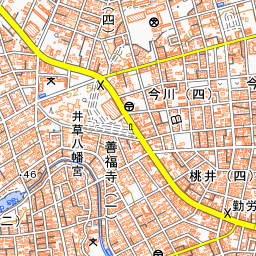
Nishi-Ogikubo is a neighborhood that spreads out around JR Nishi-Ogikubo Station. Among JR lines, Nishi-Ogikubo Station is the westernmost station within Tokyo's 23 wards. Shopping streets stretch out from both the north and south exits of the station, where local independent stores blend with distinctive spots such as historic kissaten, sundries shops, used bookshops, and antique shops within the residential areas.
According to local shop owners, high-class and stylish shops and eateries began lining the neighborhood after military personnel, national railway officials, and artists built their residences here. In this environment, antique shops naturally began to gather. The number of shops increased starting in the 1980s, and in 1984, nine shops published the first "Nishi-Ogikubo Antique Map." Centered on the so-called "Antique Street," up to 70 specialty stores dealing in Western antiques, Japanese furniture, lighting, and old utensils gathered here at its peak. In the 1990s, the area came to be celebrated as an "antique town." Since the 2000s, alongside antiques, new trends such as ceramics and design shops have also emerged.
Kissaten have also been an indispensable part of Nishiogi culture since the 1970s. From the 2010s onwards, individualistic cafes have also grown in number.
Viewing and Experience Points
- Antique Shops and Festivals: Around Antique Street, there are shops offering Western antiques, Japanese furniture, lighting fixtures, and vintage utensils. On the second Saturday of every April and October, the "Nishi-Ogikubo Antique Lovers Festival" is held.
- Strolling with a Map: In Nishi-Ogikubo, many walking maps and free informational papers are available, including the "Nishi-Ogikubo Antique Map." In 2009, "Nishiogi Cha Sampo," an event where visitors explore shops with a map in hand, was launched.
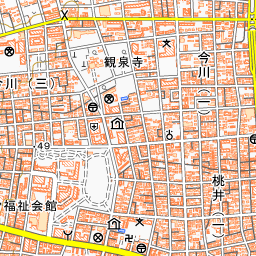
- The Pink Elephant of the South Exit and Yanagikoji: A pink elephant is suspended in the covered shopping arcade by the station's south exit. It is the third generation, introduced in 2018. Yanagikoji is an alleyway with an exotic atmosphere illuminated by neon lights. Nishi-Ogikubo has many famous bars that have long been loved by locals, and in the 2010s, the neighborhood also became a gourmet destination filled with popular dining spots, especially along Otome Road.
Walking Tips
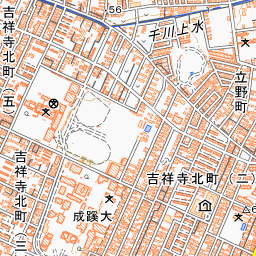
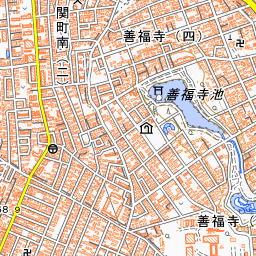
From Shinjuku Station, it takes as little as 12 minutes on the JR Chuo Line. On Saturdays, Sundays, and holidays, Chuo Line rapid trains do not stop at Nishi-Ogikubo Station, so take the Chuo-Sobu Line local trains instead. From the station's north exit, you can extend your walk to Sakanoue no Keyaki Park—home to a large zelkova tree locally known as the "Totoro Tree"—or to Zenpukuji Park, which centers around Zenpukuji Pond. Zenpukuji Park is located approximately 1.7 km northwest of the station. The Suginami Animation Museum is about a 16-minute walk from the north exit. For about three weeks every November, the international open-air art exhibition "Trolls in the Park" is held, featuring artworks installed across Zenpukuji Park, the station, and the shopping streets.
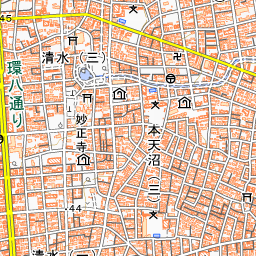
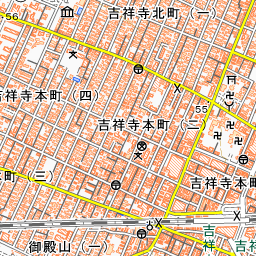
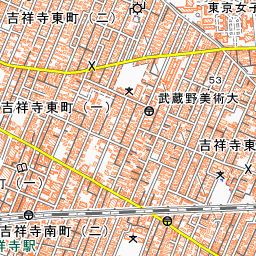
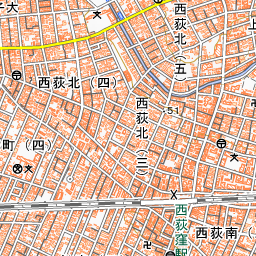
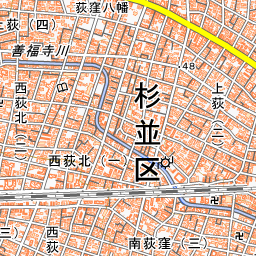
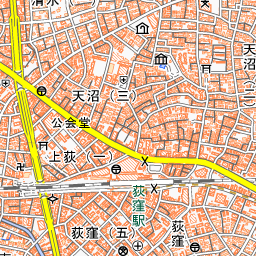
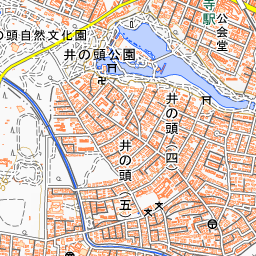
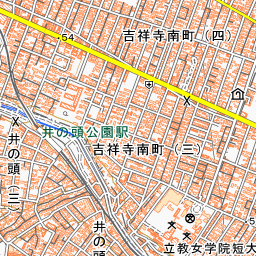
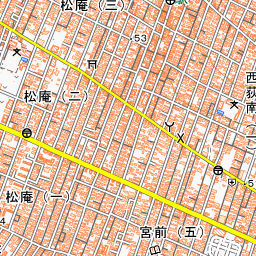
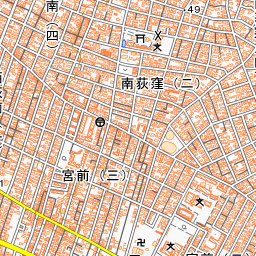
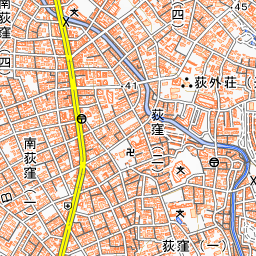
Spot location © OpenStreetMap contributors (ODbL)
Open in Google MapsUse asobot while you walk
- See where you are on the map and find spots nearby
- Listen to the guide's audio in course order, one after another (with subtitles)
- Walk to the next spot while following the map
Open on your phone
Scan to open this spot in asobot on your phone.