 ✨ AI Generated
Miyajima History and Folklore Museum
Japanese: 宮島歴史民俗資料館
Hatsukaichi, Hiroshima
This information was written by AI and may contain mistakes. Please check official sources for opening hours, fees, and other details before you go.
Found a mistake? Let us know with “✏️ Something's wrong” on this spot's screen in asobot →
🎧 Audio guide(1:03)
In short
The Miyajima History and Folklore Museum conveys the history and culture of Miyajima and was opened in April 1974. It makes use of the former residence of the Egami family, wealthy merchants who prospered through soy sauce brewing from the late Edo period to the Meiji period, and the main building and one of the storehouses on the grounds are Registered Tangible Cultural Properties of Japan.
- Structure of a Wealthy Merchant's Residence: The soy sauce merchant is said to have greeted guests in a tatami room with a raised floor. A thick beam carved from a single pine tree spans the ceiling in the center of the house
- Miyajima Woodwork and Rice Scoops: The exhibition hall housed in an earthen storehouse introduces wooden crafts that supported life on Miyajima. The shakushi (rice scoop) is said to have been conceived in Miyajima during the latter half of the Edo period
- A Moment to Admire the Courtyard: After touring the exhibits, you can relax in a tatami room facing the courtyard. Carp swim in the pond
History and Highlights
The Miyajima History and Folklore Museum is a museum that conveys the history and culture of Miyajima. It was opened in April 1974 (Showa 49) to preserve and pass down folklore items that were at risk of being lost as lifestyles changed. It introduces various facets of Miyajima, including its geography, annual events, traditional woodwork, and connections to the court nobility of the capital.
The museum makes use of the former residence of the Egami family, wealthy merchants who prospered through soy sauce brewing from the late Edo period to the Meiji period. The two-story main building was built in the early 1800s and is said to have been one of the most luxurious homes on Miyajima. This main building and one of the storehouses on the grounds were registered as national Registered Tangible Cultural Properties in 2004 (Heisei 16). The grounds also feature typical Miyajima folk houses and exhibition halls.
Viewing and Experience Points
- Structure of a Wealthy Merchant's Residence: Entering through the spacious entranceway, there is a tatami-mat room with a raised floor, where the soy sauce merchant is said to have sat to welcome guests. A thick beam carved from a single pine tree spans the ceiling in the center of the house, supporting the entire building. It is a design that conveys the affluence of the merchant families of the time.
- Miyajima Woodwork and Rice Scoops: The exhibition hall housed in an earthen storehouse introduces wooden crafts that supported life in Miyajima. The shakushi (rice scoop) is said to have been conceived in Miyajima during the latter half of the Edo period and is now used throughout the country. Tools such as wood lathes and trays adorned with fine carvings offer a glimpse into the artisans' craftsmanship.
- A Moment to Admire the Courtyard: After touring the exhibitions, you can relax in a tatami room facing the courtyard garden. This courtyard was created in the early 1900s after the Egami family ceased their soy sauce business and the house became a villa. Carp swim in the pond.
Walking Tips
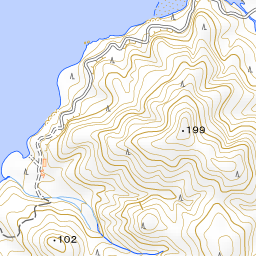
The museum is located near the exit of Itsukushima Shrine, in a calm area slightly away from the bustling streets. You will reach it by walking past the Treasure Hall from the exit. Visiting Itsukushima Shrine, Daigan-ji Temple, and the Five-storied Pagoda after learning about island life makes each of these places feel much closer and more relatable. From the museum, you can also walk to the Miyajima Public Aquarium by heading toward the seaside path.




Spot location © OpenStreetMap contributors (ODbL)
Open in Google MapsGuides that include this spot (1)
Use asobot while you walk
- See where you are on the map and find spots nearby
- Listen to the guide's audio in course order, one after another (with subtitles)
- Walk to the next spot while following the map
Open on your phone
Scan to open this spot in asobot on your phone.