 ✨ AI Generated
Ginza
Japanese: 銀座
Chuo City, Tokyo
This information was written by AI and may contain mistakes. Please check official sources for opening hours, fees, and other details before you go.
Found a mistake? Let us know with “✏️ Something's wrong” on this spot's screen in asobot →
🎧 Audio guide(0:58)
In short
Ginza is a district where a refined atmosphere and a sense of history come together. Its name originates from the "ginza," a shogunate office established in the Edo period to mint silver coins. In the Meiji period, a brick quarter was built here, and it flourished as a district that conveyed Western culture. Today, centered along Chuo-dori, long-established shops, department stores, and leading international brand boutiques line the streets.
- 4-chome Intersection: An intersection often called the face of Ginza, where the clock tower of SEIKO HOUSE GINZA stands.
- Street Corner Monuments and Information Boards: There are many historic sites and commemorative markers dating back to the Edo period, such as the "Birthplace of Ginza" and the "Monument to Brick Ginza," with explanatory boards providing information.
- Weekend Pedestrian Paradise: The pedestrian zone that began in 1970 is still held on weekends and national holidays.
History and Highlights
Ginza is a district where a refined atmosphere and history can be felt. The area's name comes from an administrative office of the Edo shogunate. The "ginza" was a shogunate institution responsible for minting and regulating silver coins. In 1612, it was relocated from Suruga to Shin-ryogaecho in Edo, present-day Ginza 2-chome. Although the official district name was Shin-ryogaecho, it came to be known commonly as "Ginza." Later, the office was moved to Kakigaracho, but the popular name Ginza remained and officially became the town name in 1869.
Following the great fire of 1872, Ginza was transformed into a district of brick buildings designed by British architect Thomas Waters. The width of Ginza-dori was more than doubled to 27 meters, separating the roadway from sidewalks and introducing gas streetlights. The grid pattern laid out at that time forms the foundation of Ginza's city blocks today. Merchants installed show windows at their storefronts, turning it into a town for "Gin-bura"—the leisure of strolling the streets and window-shopping. Ginza flourished as a district that introduced Western culture from an early stage.
The brick quarter was almost completely destroyed in the 1923 Great Kanto Earthquake. Afterward, the district was reconstructed, and department stores moved in one after another. Today, top international brand stores and long-standing shops that have lasted for generations stand side by side, centered along Chuo-dori.
Viewing and Experiencing Highlights
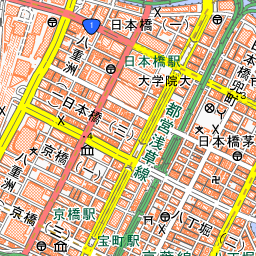
- 4-chome Intersection: This intersection is often called the face of Ginza. The clock tower of SEIKO HOUSE GINZA is widely cherished as a landmark of Ginza. If you look closely at a map, only the block in 4-chome is slightly narrower. This is because Harumi-dori was widened during the reconstruction after the earthquake.
- Street Corner Monuments and Information Boards: Ginza has many historic sites dating from the Edo period and monuments conveying its modernization, which are marked with explanatory boards. The "Birthplace of Ginza" and the "Monument to Brick Ginza" are among them. Behind the Monument to Brick Ginza, a restored gas streetlight can also be seen. On Ginza Gaslight Street in Ginza 3-chome, four restored gas lamps are lit.
- Weekend Pedestrian Paradise: The pedestrian paradise began in 1970, spanning from the Ginza-doriguchi intersection to the Ginza 8-chome intersection. Even today on weekends and holidays, you can enjoy window shopping while strolling leisurely down the main street.
Tips for Exploring
In addition to Ginza Station on the Tokyo Metro, Ginza-itchome Station and Higashi-ginza Station are also accessible. It is about a 5-minute walk from JR Yurakucho Station and about 15 minutes from Tokyo Station. Along Chuo-dori, traditional department stores such as Ginza Mitsukoshi and Matsuya Ginza stand alongside the luxury specialty store Wako and commercial facilities like GINZA SIX. It is said that among the roadside trees planted in the brick town, the pine, maple, and cherry trees withered quickly, and only the willows took root. The Kabukiza Theatre is about 340 meters to the east.
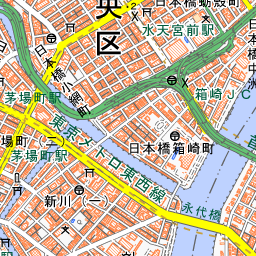


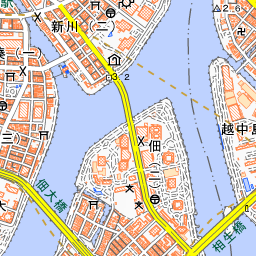
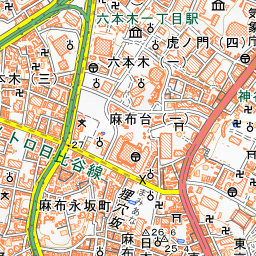
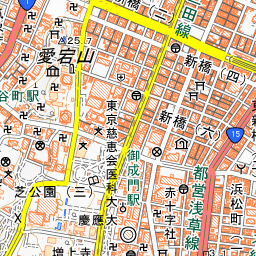

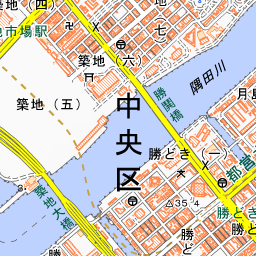
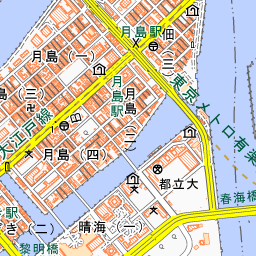
Spot location © OpenStreetMap contributors (ODbL)
Open in Google MapsGuides that include this spot (2)
Use asobot while you walk
- See where you are on the map and find spots nearby
- Listen to the guide's audio in course order, one after another (with subtitles)
- Walk to the next spot while following the map
Open on your phone
Scan to open this spot in asobot on your phone.