 ✨ AI Generated
Tokyo Photographic Art Museum
Japanese: 東京都写真美術館
Meguro City, Tokyo
This information was written by AI and may contain mistakes. Please check official sources for opening hours, fees, and other details before you go.
Found a mistake? Let us know with “✏️ Something's wrong” on this spot's screen in asobot →
🎧 Audio guide(0:57)
In short
The Tokyo Photographic Art Museum is a museum dedicated to photography and moving images, located inside Yebisu Garden Place. It fully opened in January 1995 as Japan's first comprehensive museum dedicated to photography and imagery. As of the end of April 2026, its collection comprises 39,135 items.
- Three Exhibition Galleries: Exhibitions are held throughout the year in galleries on the 3rd floor, 2nd floor, and basement 1st floor.
- Capa's Photograph on the Exterior Wall: Robert Capa's "The American troops landing on Omaha Beach, D-Day" is displayed largely on the outer wall.
- 1st-Floor Hall and 4th-Floor Library: Films are screened in the hall. The library is a specialized library focusing on photography and moving images.
History and Highlights
The Tokyo Photographic Art Museum is a museum dedicated to photography and moving images located within Yebisu Garden Place. It fully opened in January 1995 as Japan's first comprehensive museum dedicated to photography and imagery.
Its collection counts 39,135 pieces as of the end of April 2026. The holdings span from works representing the dawn of photography and motion pictures to the latest pieces by contemporary artists. Works by leading Japanese photographers are gathered with particular emphasis; primary focus artists from the initial period include Kimura Ihei, Ueda Shoji, and Moriyama Daido. The museum also collects domestic and international photographic works that depict and document Tokyo. It hosts approximately 15 exhibitions each year.
From September 2014 to September 2016, the entire facility was closed for large-scale renovation work. To mark the reopening, the museum adopted the nickname "TOP MUSEUM," derived from parts of the initial letters of its English name. The symbol mark forms the letters "TOP" illuminated by light. It also resembles an opening door, expressing an anticipation of encountering moving experiences.
Viewing and Experience Points
- Three Exhibition Galleries: The exhibition galleries are located on the 3rd floor, 2nd floor, and basement 1st floor. A variety of exhibitions, including collection showcases and moving-image exhibitions, are held throughout the year. During the planning stages, the basement gallery was called the "Eizo Kufukan" (Moving Image Workshop), a space for experiencing the history and expression of moving-image media.
- Capa's Photograph on the Exterior Wall: On the museum's exterior wall, Robert Capa's "The American troops landing on Omaha Beach, D-Day" is displayed in large format. It is a historic masterpiece of photographic history.
- 1st-Floor Hall and 4th-Floor Library: The hall on the 1st floor screens selected films, including works by up-and-coming directors and high-quality cinema. The library on the 4th floor is a specialized library for photography and moving images, gathering materials from Japan and abroad, centered on photo books, exhibition catalogues, and specialized magazines.
Walking Tips
The nearest station is Ebisu Station. It is about a 7-minute walk from the East Exit of JR Ebisu Station, and about a 10-minute walk from Ebisu Station on the Tokyo Metro Hibiya Line. The building is located in the west area of Yebisu Garden Place, and the main entrance is on the museum's east side.
It is recommended to take a look at the photograph on the exterior wall before entering the building. Since the galleries are spread across three floors, check the floor for the exhibition you wish to see before touring. There are also a cafe and a shop inside the facility. In winter, the festival of moving images and art, the "Yebisu International Festival for Art & Alternative Visions," is held.
Ebisu Yokocho is located about 770 meters in a straight line to the north-northwest, and the Meguro River Cherry Tree Avenue is located about 760 meters to the southwest.
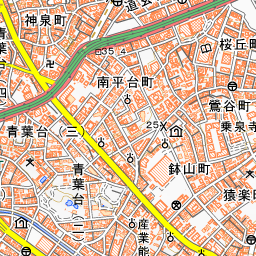
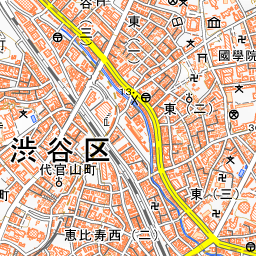
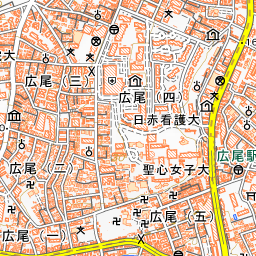
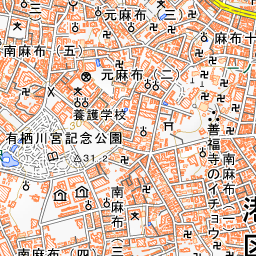
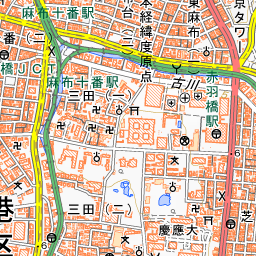

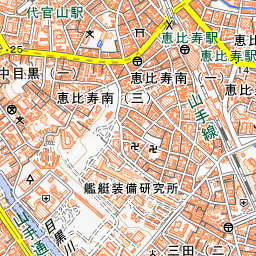
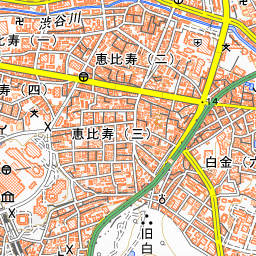

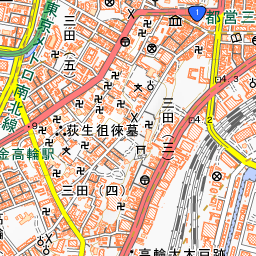
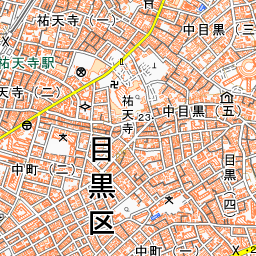
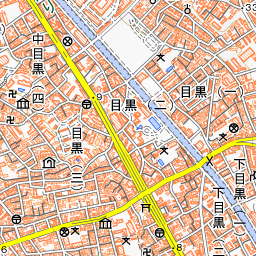
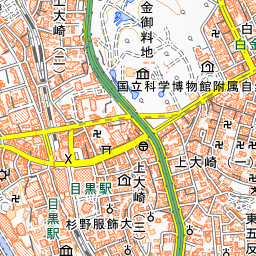
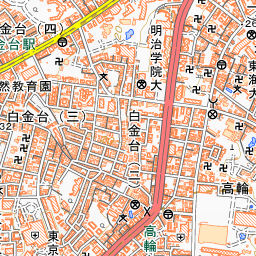
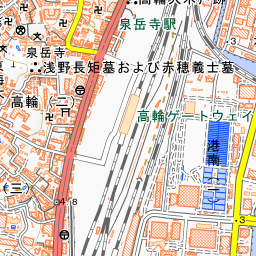
Spot location © OpenStreetMap contributors (ODbL)
Open in Google MapsGuides that include this spot (1)
Use asobot while you walk
- See where you are on the map and find spots nearby
- Listen to the guide's audio in course order, one after another (with subtitles)
- Walk to the next spot while following the map
Open on your phone
Scan to open this spot in asobot on your phone.