 ✨ AI Generated
Yamamototei
Japanese: 山本亭
Katsushika City, Tokyo
This information was written by AI and may contain mistakes. Please check official sources for opening hours, fees, and other details before you go.
Found a mistake? Let us know with “✏️ Something's wrong” on this spot's screen in asobot →
🎧 Audio guide(1:01)
In short
Yamamototei is a building that served as the private residence of Yamamoto Einosuke, founder of a camera parts manufacturing plant. It harmonizes modern Japanese architecture—blending Western-style features into traditional shoin-zukuri architecture—with a pure Japanese-style garden. It is a Registered Tangible Cultural Property of Katsushika City and is located next to Shibamata Taishakuten Temple.
- Houou-no-ma (Phoenix Room): A Western-style room built to entertain guests. It features a mantelpiece, stained glass, and parquet flooring.
- Zashiki Facing the Garden: There are six Japanese-style rooms (zashiki), each facing the garden across a corridor. The layout unifies the rooms and the garden.
- Shoin Garden: A quintessential shoin-style garden with a pond set close to the veranda and a waterfall cascading down an artificial hill (tsukiyama) behind it.
History and Highlights
From the late Edo period, the site where Yamamototei stands was occupied by a residence and factory producing roof tiles. Tile production ceased following the Great Kanto Earthquake of 1923. Yamamoto Camera, which had been manufacturing camera parts in Asakusa, subsequently relocated its factory and residence to this former site. The building was the private residence of founder Yamamoto Einosuke and was used across four generations.
The main building is fundamentally based on traditional, shoin-zukuri-style Japanese architecture. Western elements, such as glass doors along the engawa (veranda), were incorporated into it. Through renovations and extensions carried out up to around 1933, modern Western-style rooms were also added. The harmonious blend of the modern Japanese main building and the pure Japanese-style garden is Yamamototei's greatest appeal.
Katsushika City acquired the property in 1988, and it was opened to the public in 1991 in conjunction with the opening of Shibamata Park. It is a Tokyo Metropolitan Selected Historical Building and a Registered Tangible Cultural Property of Katsushika City.
Viewing and Experience Points
- Houou-no-ma (Phoenix Room): A Western-style room built as a reception room to entertain guests. It features a mantelpiece and is decorated with stained glass. The parquet flooring is also a highlight.
- Zashiki Facing the Garden: There are six Japanese-style rooms, all facing the garden across a hallway. They are bright with large glass doors and designed with almost no solid walls. In this layout where the rooms and garden feel unified, you can enjoy matcha green tea and other refreshments while looking out at the garden.
- Shoin Garden: The main garden is a classic shoin-style garden featuring a pond near the edge of the veranda and a waterfall flowing down an artificial hill behind it. The garden covers about 890 square meters, and a sense of depth is created by placing the waterfall at the back. Most of the plantings are evergreens, reflecting the host's spirit of hospitality to show a beautiful garden to visitors regardless of the season. It was once ranked third nationwide by an American magazine on Japanese gardens.
Strolling Tips
The nagayamon (rowhouse gate) features a traditional form often seen in samurai residences. The guard's waiting room is also open for viewing. Besides the main house, you can see an authentic tearoom and a two-story earthen storehouse (dozo), which is considered the oldest building at Yamamototei. An air-raid shelter is located underground, though it is usually closed to the public.
Once seated in the zashiki, try turning your eyes toward the waterfall at the back of the garden. You can appreciate the ingenuity that creates a sense of depth despite the relatively modest area.
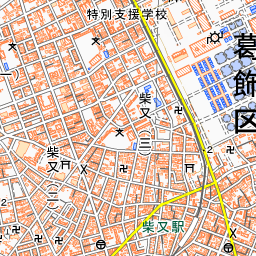
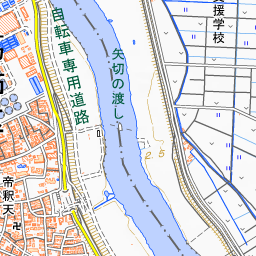
Shibamata Taishakuten Temple is located about 120 meters to the west-northwest, and Katsushika Shibamata Tora-san Museum is about 110 meters to the south-southeast. Proceeding about 300 meters to the east-northeast brings you to the Yagiri Ferry on the Edo River.
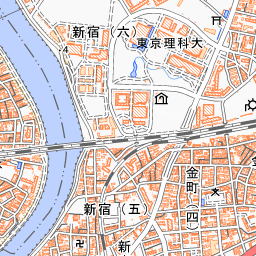
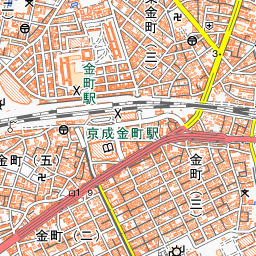
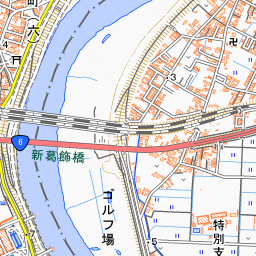
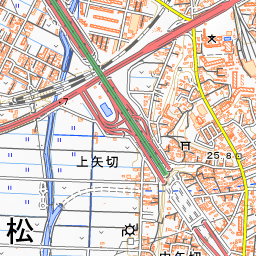
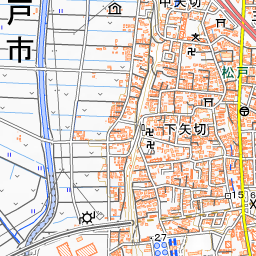
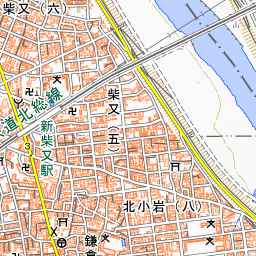


Spot location © OpenStreetMap contributors (ODbL)
Open in Google MapsGuides that include this spot (1)
Use asobot while you walk
- See where you are on the map and find spots nearby
- Listen to the guide's audio in course order, one after another (with subtitles)
- Walk to the next spot while following the map
Open on your phone
Scan to open this spot in asobot on your phone.