 ✨ AI Generated
Raku Museum
Japanese: 樂美術館
Kamigyo Ward, Kyoto
This information was written by AI and may contain mistakes. Please check official sources for opening hours, fees, and other details before you go.
Found a mistake? Let us know with “✏️ Something's wrong” on this spot's screen in asobot →
🎧 Audio guide(1:13)
In short
An art museum built adjacent to the Raku family residence and workshop, the head family of Raku ware, and opened in 1978 (Showa 53) by Kakunyu, the 14th generation Kichizaemon of the Raku family. The collection consists of items that successive heads of the Raku family have preserved as models and references for future generations, centered on works by successive generations of Raku masters, along with tea ceremony crafts and related historical documents.
- Teabowls across Raku Generations: Visitors can compare the individuality of each generation, ranging from the teabowls of the first head, Chojiro, which eliminated decoration as much as possible, to the innovative style of the 3rd generation Donyu (also known as Nonko), who is considered the finest master among all Raku generations
- Three Exhibitions a Year: Three exhibitions are held annually: the New Year Exhibition, Feature Exhibition, and Special Exhibition. In the special exhibitions, masterpieces and representative works by successive Raku generations, Hon'ami Koetsu, and others are brought together according to specific themes
- Origin of the Name "Raku": When Raku teabowls were first created, they were called "Ima-yaki." It is believed that they came to be called "Juraku-yaki" partly because the Raku family lived near Jurakudai, built by Toyotomi Hideyoshi, and eventually came to be known as "Raku-yaki" (Raku ware)
History and Highlights
Raku Museum is an art museum built adjacent to the Raku family residence and workshop, the head family of Raku ware. It was opened in 1978 by Kakunyu, the 14th generation Kichizaemon of the Raku family. The collection consists of items handed down through the Raku family, centered on works by successive generations of Raku masters, as well as tea ceremony crafts and related historical documents. These pieces have been preserved by successive heads of the family as models and references for future generations.
Raku ware was originated during the Momoyama period by Chojiro, the first head of the Raku family. It is a type of pottery shaped entirely by hand without the use of a potter's wheel and fired at low temperatures. Following Sen no Rikyu, Chojiro created red and black Raku teabowls, and their original forms vividly express Rikyu's philosophy of wabi.
Viewing and Experience Points
- Teabowls across Raku Generations: Visitors can compare the individuality of each generation, ranging from the teabowls of Chojiro, which eliminated decoration as much as possible, to the innovative style of the 3rd generation Donyu (also known as Nonko), who is considered the finest master among all Raku generations. Donyu had a close relationship with Hon'ami Koetsu, and most of Koetsu's black Raku teabowls were fired in the Raku family kiln by the father and son pair of the 2nd generation Jokei and Donyu.
- Three Exhibitions a Year: Three exhibitions are held annually: the New Year Exhibition, Special Exhibition, and Feature Exhibition. In the special exhibitions, masterpieces and representative works by successive Raku generations, Hon'ami Koetsu, and others are brought together according to specific themes.
- Origin of the Name "Raku": When Raku teabowls were first created, they were called "Ima-yaki" (contemporary ware). It is believed that they came to be called "Juraku-yaki" partly because the Raku family lived near Jurakudai, built by Toyotomi Hideyoshi, and eventually came to be known as "Raku-yaki" (Raku ware).
Walking Tips
The Raku family continues to fire Raku ware today using the same methods as 450 years ago. The current building of the Raku family residence, rebuilt in 1855, is a nationally registered tangible cultural property. The museum is about a 3-minute walk from the Horikawa Nakadachiuri and Ichijo Modoribashi city bus stops, and about a 5-minute walk from Seimei-jinja Shrine.


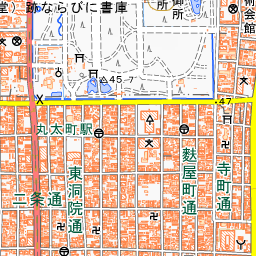

Spot location © OpenStreetMap contributors (ODbL)
Open in Google MapsUse asobot while you walk
- See where you are on the map and find spots nearby
- Listen to the guide's audio in course order, one after another (with subtitles)
- Walk to the next spot while following the map
Open on your phone
Scan to open this spot in asobot on your phone.