 ✨ AI Generated
Soni Highlands
Japanese: 曽爾高原
Soni Village, Nara
This information was written by AI and may contain mistakes. Please check official sources for opening hours, fees, and other details before you go.
Found a mistake? Let us know with “✏️ Something's wrong” on this spot's screen in asobot →
🎧 Audio guide(1:01)
In short
Soni Highlands is a vast grassland covered with Japanese pampas grass (susuki), spreading across the western foot of the ridge connecting Mt. Kuroso and Mt. Kameyama in eastern Nara Prefecture. In autumn, the plumes of pampas grass shine in silver and gold in the sunlight, drawing many visitors each year. It is said that this grassland was protected by the prefecture at the wish of local villagers who treasured the scenic pampas landscape, and it continues to be preserved through an annual controlled burning (yamayaki).
- Waves of Pampas Grass: The pampas grass sways in the wind, resembling silver waves during the day and shimmering golden waves as it catches the setting sun at dusk.
- Okame-ike Pond: Located halfway up the highlands, this pond is associated with the "Legend of Okame." Visitors can observe rare plants unique to wetland environments.
- Controlled Burning: Every year around mid-March, a mountain burning takes place, turning the highlands into a landscape that resembles a lush green carpet from spring through summer.
History and Highlights
Soni Highlands is located in Soni Village in the eastern part of Nara Prefecture. It extends across the western foot of the ridge connecting Mt. Kuroso (elev. 1,038 m), one of Japan's 300 Famous Mountains, and Mt. Kameyama (elev. 849 m), which resembles the shell of a turtle. The highlands form a grassland completely blanketed by Japanese pampas grass, situated within Muro-Akame-Aoyama Quasi-National Park, an area known for its numerous autumn foliage spots.
In the past, the pampas grass was used for purposes such as the thatched roofs of village houses. As galvanized iron sheets and roof tiles became widespread, the amount used decreased year by year, and it is said that the planting of cedar trees and other timber was promoted in the spring of 1969. Even so, the villagers were reluctant to see the pampas landscape turn into cedar-covered hills. Consequently, it is said that Nara Prefecture was requested to protect approximately 38 hectares of the pampas grassland.
Controlled burning is carried out every year around mid-March to suppress the growth of plants other than pampas grass and to produce ash that serves as fertilizer. From spring to summer, the area turns into a grassland resembling a green carpet. In autumn, the pampas grass plumes catch the sunlight and shine in shades of silver and gold.
Points for Appreciation and Activities
- Silver and Gold Pampas Grass: From late September to late November, when the pampas grass plumes are out, many hikers gather here. In the daylight, waves of silver roll across the slopes, while at dusk, they sway as golden waves bathed in the evening sun.
- Okame-ike Pond: A wetland pond situated nearly in the center halfway up the highlands, holding the "Legend of Okame." Rare wetland plants can be observed here, and the pond is also known for flowers and grasses such as slender cottongrass (sagisuge). It serves as the source of the Soni Highlands Spring Waters, which were selected among the 100 Exquisite Waters of the Heisei Era.
- Views from Kameyama Pass: To get a good view of Okame-ike Pond, climbing up to Kameyama Pass behind the pond is recommended.
Travel Tips
By car, it is about a 1-minute walk from the Noguchi Parking Lot. From the Soni Highlands Farm Garden parking lot, it takes about 15 minutes on foot. If traveling by train and bus, take the Mie Kotsu bus bound for Yamakasunishi from Nabari Station on the Kintetsu Osaka Line, get off at "Taroji," and walk for about 45 minutes. From October to November, buses bound for Soni Highlands also operate.
Open flames are strictly prohibited on the highlands, so please refrain from using fire. After your walk, you can relax at the Soni Highlands Onsen "Okame-no-yu," located next to the Farm Garden.
Byobuiwa Rock, renowned for its sheer rock face with columnar joints, is located about 6 kilometers west-southwest of the highlands and can be visited on the same trip.
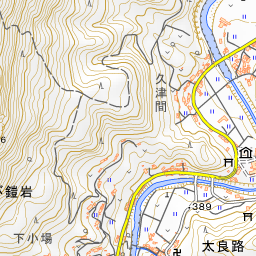
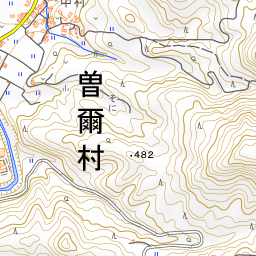
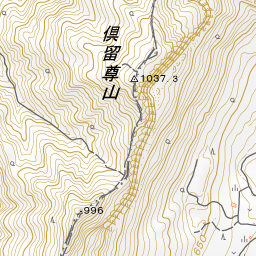
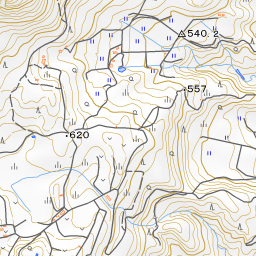
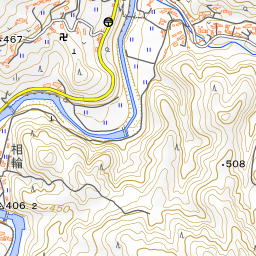
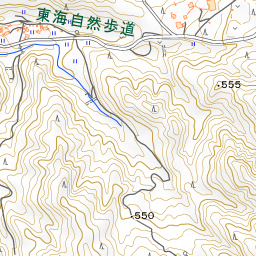
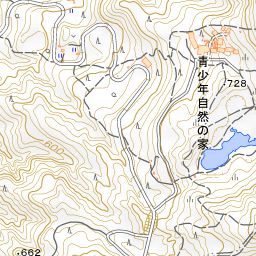
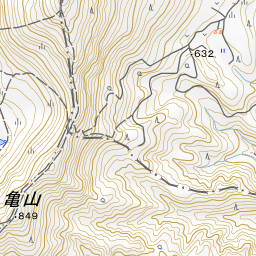
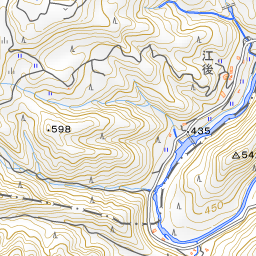


Spot location © OpenStreetMap contributors (ODbL)
Open in Google MapsGuides that include this spot (1)
Use asobot while you walk
- See where you are on the map and find spots nearby
- Listen to the guide's audio in course order, one after another (with subtitles)
- Walk to the next spot while following the map
Open on your phone
Scan to open this spot in asobot on your phone.