
Machida City Onoji-juku Satoyama Exchange Center
Japanese: 町田市小野路宿里山交流館
Machida, Tokyo
This information was written by AI and may contain mistakes. Please check official sources for opening hours, fees, and other details before you go.
Found a mistake? Let us know with “✏️ Something's wrong” on this spot's screen in asobot →
🎧 Audio guide(1:01)
In short
Machida City Onoji-juku Satoyama Exchange Center is a facility renovated from the former "Kadoya," an inn in Onoji-juku, which bustled during the Edo period as a post town for pilgrims making the Oyama pilgrimage. It is a place to experience the history, nature, and culture of Onoji, and it also serves as a rest stop for people walking through the satoyama (woodland hills). In Onoji, there were also homes of village headmen whom Kondo Isami and Hijikata Toshizo visited to teach swordsmanship.
- The Inn Building: The main building consists of structures such as a building whose framework was raised in 1925 (Taisho 14), and it has been renovated so that its structure is visible. The wide overhanging eaves catch the eye.
- Flavors of Onoji: Udon noodles made with wheat harvested in Onoji, as well as local vegetables and fruits, are available.
- Starting Point for Satoyama Walks: A walking route of approximately 5.2 km around the exchange center is introduced.
History and Highlights
Machida City Onoji-juku Satoyama Exchange Center is located in Onoji, in the northern part of Machida City. Long ago, Onoji-juku flourished as a post station on the "Kamakuramichi," a road connecting Kamakura and Fuchu, where the provincial government office of Musashi was located. From the middle of the Edo period, it became a bustling post town crowded with people on the Oyama pilgrimage. The post town had six inns: "Kadoya," "Fukushimaya," "Ikedaya," "Tabakoya," "Kawachiya," and "Nakaya." This former "Kadoya" was renovated to serve as a base for tourism and community exchange, forming this exchange center. It opened in September 2013.
A small story remains about Kadoya. In 1875 (Meiji 8), the "Onoji Post Office" was established in Kadoya, which had originally belonged to the Hosono family of village headmen.
Kondo Isami and Hijikata Toshizo frequently visited the Kojima and Hashimoto families, who were headmen of Onoji Village, to teach swordsmanship. The Kojima Nikki (Kojima Diary) from the end of the Edo period, preserved by the Kojima family, contains descriptions of swordsmanship practice as well as news about the Shinsengumi in Kyoto. Onoji-machi still retains the peaceful scenery of the Tama Hills and is the only area in Tokyo selected as one of "Japan's Top 100 Rural Landscapes."
Viewing and Experience Points
- Eaves of the Main Building: The main building of the former "Kadoya" was made up of a two-story hipped-roof structure framed in 1925 (Taisho 14) and a subsequent single-story hipped-roof addition. The widely protruding eaves utilize the "hanegi" (cantilevered rafter) structure commonly found in shrines and temples. During renovations, the form of the original structure was inherited, and it was arranged so that the structure is exposed to view. The timber is coated with a mixture of persimmon tannin and sumi ink.
- Mud-walled Storehouse, Miso Storehouse, and Nagayamon (Rowhouse Gate): The mud-walled storehouse was built in July 1929 (Showa 4). The time of its construction is written in sumi ink on the ushibari (main crossbeam) of the ceiling. It was originally three stories high, but was converted into two stories during renovations. The exterior walls of the miso storehouse, built around the same time, feature the traditional plastering technique known as "araidashi" (exposed aggregate). The nagayamon gate stands in the same spot where it stood during the era of the former "Kadoya."
- Flavors of Onoji and Shopping: Wheat harvested in Onoji is used for Onoji udon. The local product corner features locally harvested vegetables, fruits, and flowers, as well as works by craftspeople living in Onoji.
Walking Tips
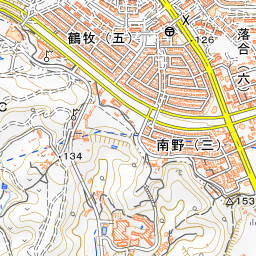
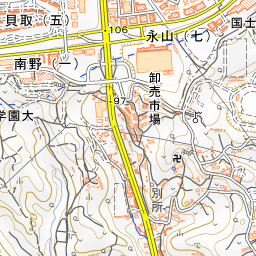
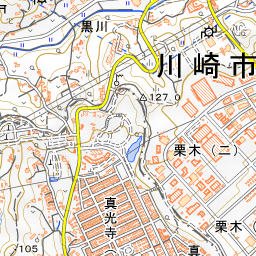
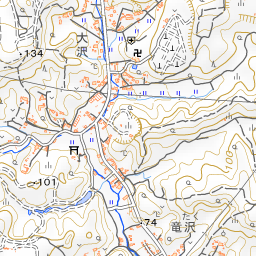
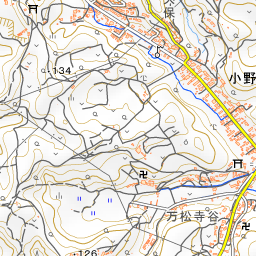
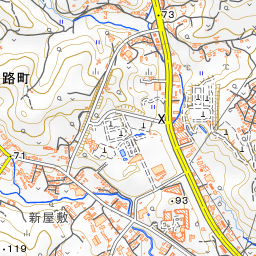
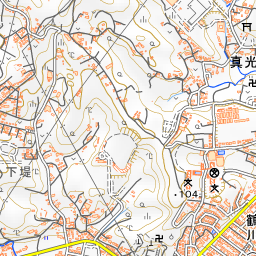
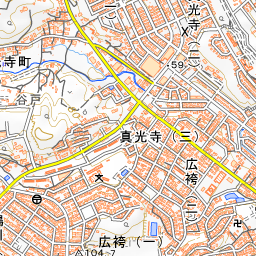
From the North Exit of Tsurukawa Station on the Odakyu Line, take the Tsu-32 or Machi-36 bus route, get off at "Ono Jinja-mae," and walk for about 2 minutes. The number of buses is limited, and there is no dedicated parking lot for general visitors. The information corner provides details on walking courses and bus timetables. There is also a walking route of approximately 5.2 km that loops around the exchange center. Walking guide maps are distributed at the exchange center, so it is recommended to get one before starting your walk.


Use asobot while you walk
- See where you are on the map and find spots nearby
- Listen to the guide's audio in course order, one after another (with subtitles)
- Walk to the next spot while following the map
Open on your phone
Scan to open this spot in asobot on your phone.