 ✨ AI Generated
Kanda Used Book Town
Japanese: 神田古書店街
Chiyoda City, Tokyo
This information was written by AI and may contain mistakes. Please check official sources for opening hours, fees, and other details before you go.
Found a mistake? Let us know with “✏️ Something's wrong” on this spot's screen in asobot →
🎧 Audio guide(0:56)
In short
Kanda Used Book Town is centered around the intersection where Yasukuni-dori Street and Hakusan-dori Street meet, bringing together approximately 130 used bookstores in what is said to be one of the largest antiquarian book districts in the world. Its origins are said to trace back to bookstores and secondhand bookshops opening for the students of schools established in the surrounding area during the Meiji period. Each store specializes in its own field, making the entire district feel like one massive library.
- North-facing bookstores: Shops lining the south side of Yasukuni-dori Street are said to face north specifically to protect their books from sun damage.
- Long-standing shops from the Meiji period: Several shops have operated since the Meiji period, including Takayama Honten, which was founded in 1875 (Meiji 8).
- Kanda Used Book Festival: Held from October to November, around one million used books are lined up along the sidewalks of Yasukuni-dori Street.
History & Highlights
Kanda Used Book Town is a district centered around the intersection of Yasukuni-dori Street and Hakusan-dori Street in Kanda Jimbocho, Chiyoda Ward, where around 130 secondhand bookstores are gathered. Alongside famous districts such as the Latin Quarter in Paris and Charing Cross Road in London, it is said to be among the world's largest used book districts.
The catalyst for it becoming a book town was the schools of the Meiji period. In 1877 (Meiji 10), the predecessor of the University of Tokyo was established in Kanda-Hitotsubashi, and the surrounding Kanda area became the birthplace of institutions such as Gakushuin, Meiji University, and Senshu University. Its beginnings are said to stem from legal bookstores and used bookshops opening one after another to cater to students attending the numerous newly established law schools.
Following the Great Fire of Kanda in 1913 (Taisho 2), the south side of what is now Yasukuni-dori Street was widened. Used bookstores relocated or newly opened in the narrowed plots of land, which is why the south side of Yasukuni-dori Street remains the core of the book district today. Even during the air raids of the Pacific War, the used bookstores along Yasukuni-dori Street escaped destruction.
Viewing & Experiencing Highlights
- North-facing bookstores: Secondhand bookstores wanting to avoid sun damage to books are generally said to set up shop on the south side of the street so their storefronts face north. A walk along the south side of Yasukuni-dori Street allows you to see this row of shops.
- Long-standing shops from the Meiji period: The oldest shop in the district is Takayama Honten, founded in 1875 (Meiji 8). It is known for a selection focusing on Noh, Kyogen, Kabuki, martial arts, and cooking. Ohya Shobo, founded in 1882 (Meiji 15), carries Edo-period books and ukiyo-e, while Isseido Shoten, founded in 1903 (Meiji 36), specializes in classical antiquarian texts and foreign books.
- Enjoying specialized fields: The genres covered range broadly from classical texts to manga, with each shop dedicated to its own specialty. You can stroll through and compare different shelves, such as Sawaguchi Shoten Jimbocho Store, which centers on manga, and Kitazawa Shoten, which primarily deals in English and American literature.
Walking Tips
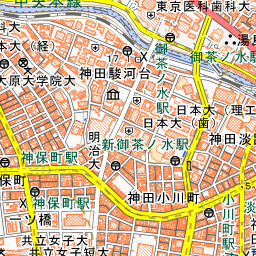
Jimbocho Station is about a 1-minute walk from Jimbocho Intersection, the center of the book district. The used book town extends for about 450 meters along Yasukuni-dori Street. The Kanda Used Book Festival, held from October to November, began in 1960 (Showa 35) to coincide with Book Week. Stretching 500 meters westward from Surugadai-shita Intersection, a continuous "book corridor" of secondhand shops and sidewalk bookcases appears. Jimbocho is also known as a neighborhood of curry and cafes, and while strolling, you can stop by long-established coffeehouses like "Sabouru" or "Milonga Nuova." Walking about 670 meters to the east brings you to Nikolai-do Cathedral.




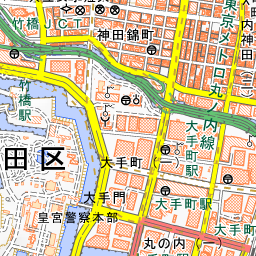
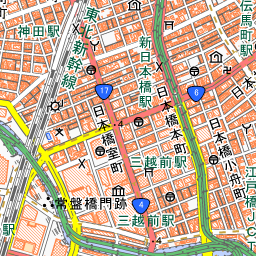
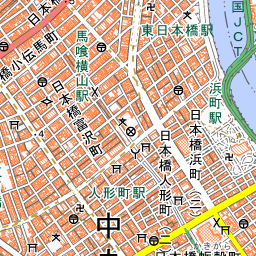
Spot location © OpenStreetMap contributors (ODbL)
Open in Google MapsGuides that include this spot (1)
Use asobot while you walk
- See where you are on the map and find spots nearby
- Listen to the guide's audio in course order, one after another (with subtitles)
- Walk to the next spot while following the map
Open on your phone
Scan to open this spot in asobot on your phone.