 ✨ AI Generated
Kabusan-ji Temple
Japanese: 神峯山寺
Takatsuki, Osaka
This information was written by AI and may contain mistakes. Please check official sources for opening hours, fees, and other details before you go.
Found a mistake? Let us know with “✏️ Something's wrong” on this spot's screen in asobot →
🎧 Audio guide(1:18)
In short
A Tendai sect temple nestled in the mountains of northern Takatsuki City, with Bishamonten as its principal image. It is said to have been founded by En no Ozunu and established in 774 (Hoki 5) by Prince Kaijo, and it is said to be the first sacred ground in Japan where Bishamonten was enshrined. At its peak, a row of 21 monk residences stood here, and it is said to have flourished greatly as one of the "Seven High Mountains." Even today, as the "Bishamon Fudo Goma," the goma fire ritual for prayer and warding off evil is performed daily without fail.
- Three Statues of Bishamonten and Main Hall Buddhist Images: The principal images are three statues—a Bishamonten statue considered among the oldest in Japan, Tobatsu Bishamonten, and Soshin Bishamonten—all of which are hidden Buddhist images (hibutsu). The main hall, adorned with a framed tablet reading "Japan's First Bishamonten King," houses a wooden seated statue of Amida Nyorai and two wooden standing statues of Sho Kannon, Important Cultural Properties of Japan
- Pagodas and Kaisan-do Hall on the Grounds: Within the temple precincts are the thirteen-story Pagoda of Emperor Konin, Prince Kaijo's Hair Burial Pagoda, the Kaisan-do (Founder's Hall), and more, which you can tour while sensing the history the temple has built up as a mountain temple
- Autumn Foliage and the "Meoto Momiji": In autumn, it is a renowned foliage spot with 300 maple trees turning color, and the 400-year-old "Meoto Momiji" (Coupled Maples) tree is well known. The foliage usually starts to turn around early November, reaching its peak from mid- to late November
History and Highlights
Kabusan-ji Temple is a Tendai sect temple nestled in the mountains of northern Takatsuki City. It enshrines Bishamonten as its principal image. It is said to have been founded by En no Ozunu and formally established in 774 by Prince Kaijo. Regarded as the first sacred ground in Japan where Bishamonten was enshrined, legend tells that En no Gyoja visited this site after gazing from Mt. Katsuragi at trailing purple clouds, carved a statue of Bishamonten, and built a hall here.
At its peak, the temple grounds included a row of 21 monk residences and it was counted as one of the "Seven High Mountains" alongside Mt. Hiei and others, said to have flourished greatly. From the Kamakura period to the Sengoku period, it received the protection of the Ashikaga, Toyotomi, and Tokugawa clans, and during the Edo period, it was worshipped by merchants from Osaka praying for business prosperity. Although it was struck by fire in 1765, it was rebuilt in 1777. Even today, sub-temples and halls such as Hoto-in, the main quarters, remain. The "Bishamon Fudo Goma" fire ritual continues to this day without fail, performed daily for prayer and warding off evil.
Sights and Experiences
- Three Statues of Bishamonten and Main Hall Buddhist Images: The principal images are three statues—a Bishamonten statue considered among the oldest in Japan, Tobatsu Bishamonten, and a two-bodied Bishamonten (Soshin Bishamonten)—all of which are hidden Buddhist images (hibutsu). The main hall, adorned with a framed tablet reading "Japan's First Bishamonten King," houses three statues designated as Important Cultural Properties of Japan: a wooden seated statue of Amida Nyorai and two wooden standing statues of Sho Kannon.
- Pagodas and Kaisan-do Hall on the Grounds: Within the temple precincts, you can tour sites that reflect its long history as a mountain temple, such as the thirteen-story Pagoda of Emperor Konin, Prince Kaijo's Hair Burial Pagoda, and the Kaisan-do (Founder's Hall).
- Autumn Foliage and the "Meoto Momiji": In autumn, it is a renowned foliage spot with 300 maple trees turning color, particularly noted for the 400-year-old "Meoto Momiji" (Coupled Maples) tree. The foliage usually starts to turn around early November, reaching peak viewing from mid- to late November.
Walking Tips
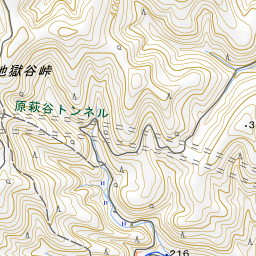
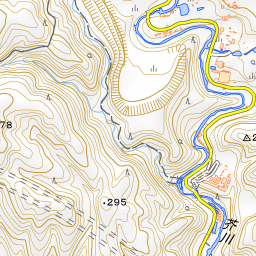
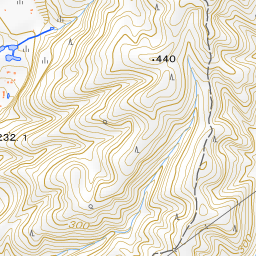
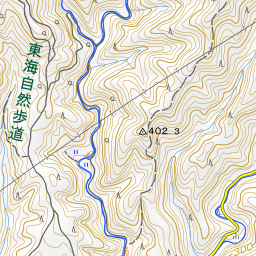
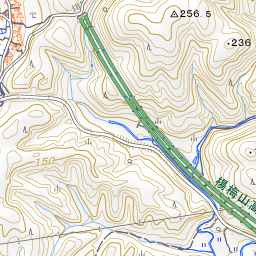
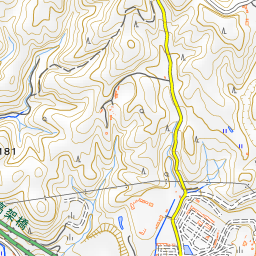
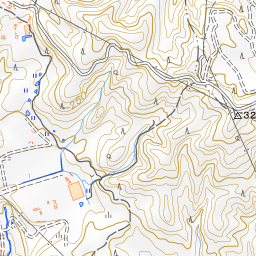
Take a municipal bus from the north exit of JR Takatsuki Station, get off at "Kabusanguchi," and walk for about 20 minutes (approx. 1.5 km). At the entrance to the approach, a "Ushi Jizo" is enshrined to memorialize the pack-oxen that crossed the mountains between Kyoto and Osaka, and along the way is the "Kanjogake." In the Edo period, rice merchants from Dojima are said to have divined monthly rice prices based on the height and length of 12 ropes tied with shikimi branches. Continuing about 4.2 km further up the mountain path brings you to Honzan-ji Temple, which is also said to have been founded by Prince Kaijo. This path overlaps with the Tokai Nature Trail and is recommended for strolls during the seasons of fresh green leaves and autumn foliage.


Spot location © OpenStreetMap contributors (ODbL)
Open in Google MapsUse asobot while you walk
- See where you are on the map and find spots nearby
- Listen to the guide's audio in course order, one after another (with subtitles)
- Walk to the next spot while following the map
Open on your phone
Scan to open this spot in asobot on your phone.