 ✨ AI Generated
Koenji Hikawa-jinja Shrine
Japanese: 高円寺氷川神社
Suginami City, Tokyo
This information was written by AI and may contain mistakes. Please check official sources for opening hours, fees, and other details before you go.
Found a mistake? Let us know with “✏️ Something's wrong” on this spot's screen in asobot →
🎧 Audio guide(1:03)
In short
Koenji Hikawa-jinja Shrine is a shrine dedicated to Susanoo no Mikoto, located a 2-minute walk from Koenji Station. During the Edo period, it was one of the tutelary shrines of Koenji Village. Within its grounds is Kisho-jinja Shrine, said to be the only weather shrine in Japan, visited by people who entrust their weather-related wishes to it.
- Kisho-jinja Shrine: A shrine enshrined within the Army Meteorological Department during wartime was relocated to these grounds after the war. It enshrines Yagokoro Omoikane no Mikoto and is said to govern eight weather phenomena, including clear skies, cloudy skies, and rain.
- Geta-shaped Ema: At Kisho-jinja Shrine, ema (wooden votive plaques) shaped like geta (traditional wooden clogs) inscribed with weather-related wishes are dedicated.
- The Origin of the Awa Odori: The Tokyo Koenji Awa Odori held every August originally began as a dedicatory dance for this shrine.
History and Highlights
Koenji Hikawa-jinja Shrine is a shrine located in Koenjiminami, Suginami Ward. The deity enshrined here is Susanoo no Mikoto.
Details regarding its founding are not known. According to shrine tradition, Minamoto no Yoritomo arrived in this area during the conquest of Oshu and ordered Adachi Tokuro Morinaga to build the shrine pavilion. Another account says that his retainer, Murata Hyobu, remained in Koenji Village to become a farmer, enshrined Hikawa-jinja Shrine from Omiya, and built the pavilion, marking its beginning. Legend also holds that it was founded during the Tenbun era, around the same time as Koenji Temple, a temple in the village.
During the Edo period, it gathered the faith of farmers as one of the tutelary shrines of Koenji Village. Koenji Temple served as its betto (managing temple). In 1874 (Meiji 7), it became a village shrine.
The shrine pavilion was burned down in the Great Tokyo Air Raid on May 25, 1945. The current shrine pavilion was constructed in 1971. A neighborhood association mikoshi (portable shrine) from Kita-1-chome, which had not been used for half a century, was restored as the main shrine mikoshi and was carried by about 100 parishioners during the Shinkosai Festival on August 25, 2019.
The "Tokyo Koenji Awa Odori," held on the last Saturday and Sunday of August every year, originally began as a dedicatory dance to this shrine.
Viewing and Experience Points
- Kisho-jinja Shrine: One of the subordinate shrines on the grounds, it enshrines Yagokoro Omoikane no Mikoto. It is considered a very rare shrine, said to be the only one of its kind in the nation. It was built on the premises of the Army Meteorological Department in April 1944 (Showa 19). After the war, it was moved to Koenji Hikawa-jinja Shrine, and the current shrine pavilion was rebuilt in 2003 (Heisei 15).
- Geta-shaped Ema: Ema shaped like geta clogs are dedicated at Kisho-jinja Shrine. Various wishes related to the weather are written on the ema. There are also amulets associated with weather, such as "haremamori" praying for sunny skies.
- Deity of Weather: Yagokoro Omoikane no Mikoto is a deity of wisdom. It is also said that the deity came to be worshipped as a god of weather because he devised the plan to bring Amaterasu Omikami back out when she hid in Ama-no-Iwato. True to the name, the deity is said to govern eight weather phenomena: clear skies, cloudy skies, rain, snow, thunder, wind, frost, and fog.
Walking Tips
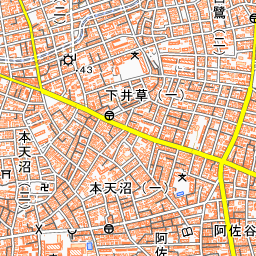
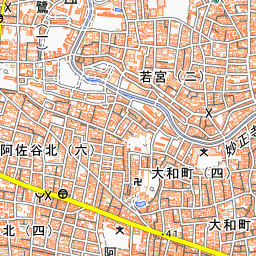
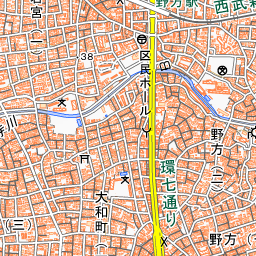
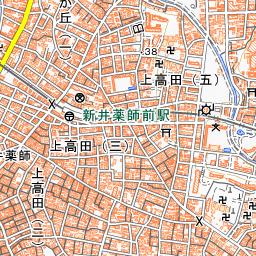
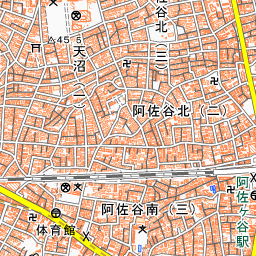
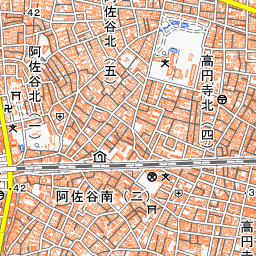
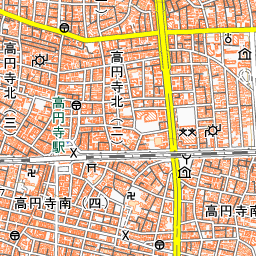
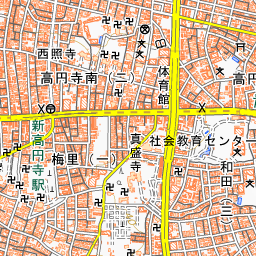
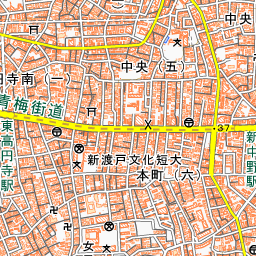
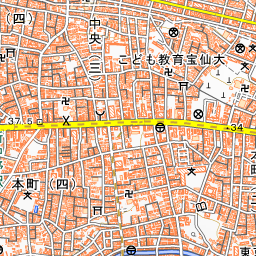
It is a 2-minute walk from Koenji Station. After paying respects at the haiden (worship hall), be sure to stop by Kisho-jinja Shrine on the grounds. Dedicated geta-shaped ema displaying wishes for good weather are lined up there.
On June 1, Weather Memorial Day, the annual grand festival of Kisho-jinja Shrine, the Kisho-sai, is held. The last Sunday of August is the annual grand festival of Hikawa-jinja Shrine.
About 170 meters to the southeast is Koenji Temple, the temple that gave the area of Koenji its name. During the Edo period, this temple served as the betto (managing temple) for the shrine.
Use asobot while you walk
- See where you are on the map and find spots nearby
- Listen to the guide's audio in course order, one after another (with subtitles)
- Walk to the next spot while following the map
Open on your phone
Scan to open this spot in asobot on your phone.