
Tekijuku
Japanese: 適塾
Chuo Ward, Osaka
This information was written by AI and may contain mistakes. Please check official sources for opening hours, fees, and other details before you go.
Found a mistake? Let us know with “✏️ Something's wrong” on this spot's screen in asobot →
🎧 Audio guide(1:06)
In short
An academy opened in 1838 (Tenpo 9) by Ogata Koan, a physician of Western medicine (ranpō). The building that stands in the office district of Kitahama, Osaka, is the only surviving structure of a Dutch studies (rangaku) academy in Japan, and it has been designated as a National Historic Site and an Important Cultural Property; its interior is open to visitors.
- An Academy That Nurtured Many Brilliant Minds: There were 636 disciples recorded in the registry of enrollments (Seimeiroku) alone, and many brilliant minds were nurtured here, including Fukuzawa Yukichi, Hashimoto Sanai, Omura Masujiro, Sano Tsunetami, Otori Keisuke, and Nagayo Sensai
- Doeff Room and the Students' Large Room: It is said that the light was never extinguished in the Doeff Room, where the only set of the Dutch-Japanese "Doeff Dictionary" was kept. Sword marks remain in the students' large room, conveying the atmosphere of that era
- Senba Townhouse: The building is also valuable as a surviving example of a late Edo-period merchant townhouse from Senba, Osaka. Through a five-year dismantling and restoration project starting in 1976 (Showa 51), it was restored as much as possible to its appearance during Koan's time
History and Highlights
Tekijuku is an academy opened in 1838 (Tenpo 9) by Ogata Koan, a physician of Western medicine (ranpō). The building, which still stands today in the office district of Kitahama, Osaka, is the only surviving structure of a Dutch studies (rangaku) academy in Japan. It has been designated as a National Historic Site and an Important Cultural Property, and its interior is open to visitors.
The academy was initially located in Kawaramachi, but in 1845 (Koka 2), Koan purchased a merchant townhouse (machiya) in what was then Kashomachi, relocated there, and expanded significantly. This is the present building. The name "Tekijuku" was derived from Koan's pen name, "Tekitekisai"; it was called "Tekitekisai-juku," abbreviated as "Tekijuku." The pen name is said to originate from the Zhuangzi, meaning to enjoy what brings joy to one's own heart. Koan taught students here until 1862 (Bunkyu 2), when he was summoned to serve as an inner court physician to the Edo shogunate and left Osaka.
There were 636 disciples recorded in the registry of enrollments (Seimeiroku) alone, coming from all over the country except Aomori and Okinawa Prefectures. Many brilliant minds were nurtured here, including Fukuzawa Yukichi, Hashimoto Sanai, Omura Masujiro, Sano Tsunetami, Otori Keisuke, and Nagayo Sensai. In 1849 (Kaei 2), Koan also opened a vaccination clinic and began a smallpox vaccination program to prevent the disease.
Points for Viewing and Experiencing
- Doeff Room: The academy possessed only one set of the Dutch-Japanese "Doeff Dictionary," and the students competed with each other to use it. The room where the dictionary was kept was called the Doeff Room, and it is said that the light was never extinguished.
- Students' Large Room: The entire second floor and part of the first floor were open to the students, while the rear of the first floor served as the residence for Koan's family. Sword marks remain in the students' large room, conveying the atmosphere of that era. Students were divided into eight or nine classes according to their academic ability, and their seating order was determined by their performance in kaidoku (group reading and discussion of original Dutch texts), leading to fierce competition.
- Senba Townhouse: The building is also valuable as a surviving example of a late Edo-period merchant townhouse from Senba, Osaka. It was built after the Great Fire of Senba in 1792 (Kansei 4), and its front side was trimmed by about 2 meters during a road widening around 1915 (Taisho 4). Through a five-year dismantling and restoration project starting in 1976 (Showa 51), it was restored as much as possible to its appearance during Koan's time.
Tips for Exploring
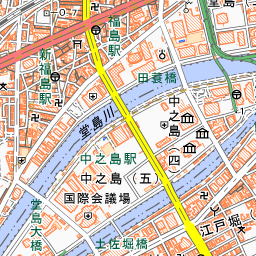
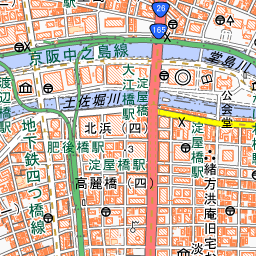
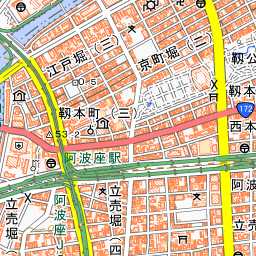
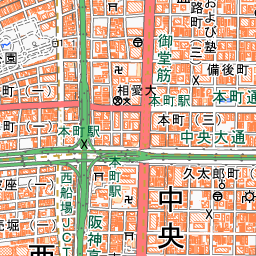
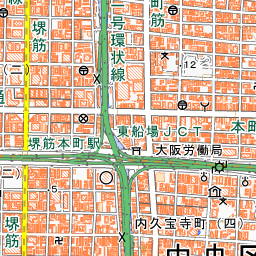
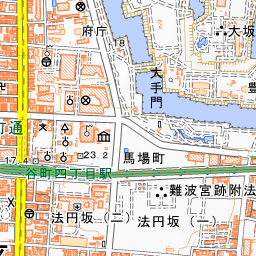
It is about a 5-minute walk from Yodoyabashi Station and Kitahama Station. In the green space on the west side of the building stands a bronze statue of Koan absorbed in reading. Take care inside the building, as the stairs are steep and the ceilings are low in some places. You can stroll through the history of Kitahama and Senba together with the Osaka Prefectural Nakanoshima Library about 260 meters to the north, the Osaka City Central Public Hall about 280 meters to the north, and the Sukunahikona-jinja Shrine about 380 meters to the southeast.



Guides that include this spot (1)
Use asobot while you walk
- See where you are on the map and find spots nearby
- Listen to the guide's audio in course order, one after another (with subtitles)
- Walk to the next spot while following the map
Open on your phone
Scan to open this spot in asobot on your phone.