 ✨ AI Generated
Chishaku-in Temple
Japanese: 智積院
Higashiyama Ward, Kyoto
This information was written by AI and may contain mistakes. Please check official sources for opening hours, fees, and other details before you go.
Found a mistake? Let us know with “✏️ Something's wrong” on this spot's screen in asobot →
🎧 Audio guide(1:08)
In short
The head temple of the Chisan School of Shingon Buddhism, located at Higashiyama Shichijo. It oversees more than 3,000 affiliated temples across Japan and serves as a place of ascetic practice for young monks. It was originally one of the temples on Mt. Negoro in Kishu, and in 1601 (Keicho 6), Priest Gen'yu was granted temple land in Kyoto's Higashiyama by Tokugawa Ieyasu and revived it.
- National Treasure Screen Paintings by Hasegawa Tohaku and Kyuzo: Richly colored screen paintings on gold foil grounds created by Hasegawa Tohaku and his school during the Momoyama period are preserved here. Kyuzo's "Cherry Blossom" and Tohaku's "Maple Tree" are well known and can be viewed in the Treasure Museum
- Nationally Designated Place of Scenic Beauty Garden: In the garden facing the Oshoin Hall, the artificial hill is said to represent Mt. Lu in China, and the pond the Yangtze River. From May to June, azaleas and satsuki azaleas burst into bloom all at once
- Kondo (Main Hall) and Myo-o-den Hall: The Kondo, which enshrines the principal image Dainichi Nyorai, was rebuilt in 1975 (Showa 50). Morning services are held every morning in both the Kondo and Myo-o-den Hall, and visitors can participate by going directly to the Kondo
History and Highlights
Chishaku-in Temple is the head temple of the Chisan School of Shingon Buddhism, located at Higashiyama Shichijo where Shichijo Street meets Higashioji Street. It oversees more than 3,000 affiliated temples across Japan and serves as a place of ascetic practice for young monks. It was originally founded in the medieval period as one of the temples on Mt. Negoro in Kishu, but in 1585 (Tensho 13), all the halls and pagodas on the mountain were burned down during Toyotomi Hideyoshi's military campaign. Priest Gen'yu, who escaped the disaster along with his disciples, was granted temple land in Kyoto's Higashiyama by Tokugawa Ieyasu in 1601 (Keicho 6). He revived the temple as a training ground for Buddhist study, renaming it Iobusan Negoro-ji Chishaku-in. Following the fall of Osaka Castle, in 1615 (Genna 1), Tokugawa Ieyasu also granted the temple lands of Shoun-ji Temple, which had been built by Hideyoshi to pray for the soul of his beloved child, Tsurumatsu.
Sights and Experiences
- National Treasure Screen Paintings by Hasegawa Tohaku and Kyuzo: Chishaku-in Temple preserves richly colored screen paintings on gold foil grounds created by Hasegawa Tohaku and his school during the Momoyama period, which are designated as National Treasures. The well-known works "Cherry Blossom" (painted by Tohaku's son Kyuzo at the age of 25) and "Maple Tree" (completed by Tohaku at age 55, following Kyuzo's death the next year) can be viewed in the Treasure Museum.
- Nationally Designated Place of Scenic Beauty Garden: The garden facing the Oshoin Hall was designated as a Place of Scenic Beauty by the national government in 1945 (Showa 20). An elongated pond stretching north to south receives water cascading from a waterfall on an artificial hill, and the pond water reaches beneath the veranda floorboards of the Oshoin Hall. The artificial hill is said to represent Mt. Lu in China, and the pond the Yangtze River. The garden was renovated in the Edo period based on the garden of Shoun-ji Temple from the Azuchi-Momoyama period. There is also an anecdote that tea master Sen no Rikyu was particularly fond of this garden. From May to June, azaleas and satsuki azaleas burst into bloom all at once.
- Kondo (Main Hall) and Myo-o-den Hall: The Kondo, which enshrines the principal image Dainichi Nyorai, burned down in a fire in 1882 (Meiji 15) and was rebuilt in 1975 (Showa 50) to commemorate the 1,200th anniversary of the birth of Kobo Daishi Kukai. Fudo Myo-o is enshrined in the Myo-o-den Hall. Morning services are held every morning in both the Kondo and Myo-o-den Hall, and visitors can participate by going directly to the Kondo.
Tips for Visitors
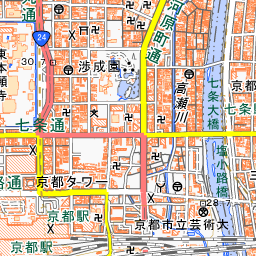
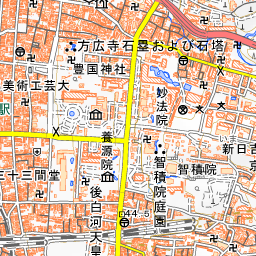
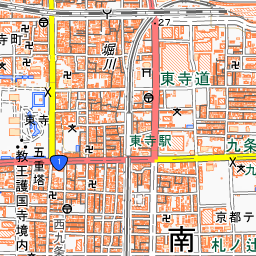
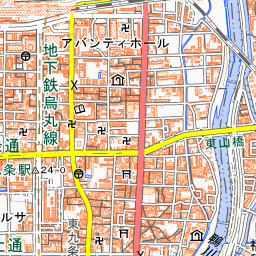
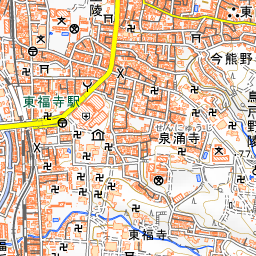
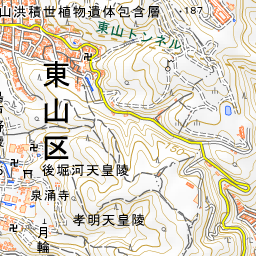
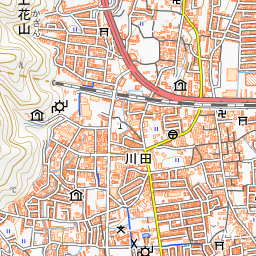
The garden is known for its refined scenery viewed from the Oshoin Hall. The temple is about a 3-minute walk from the Higashiyama Shichijo city bus stop, and about a 10-minute walk east from Shichijo Station on the Keihan Railway. Kyoto National Museum and Sanjusangendo Temple are located to the west and can easily be visited together.
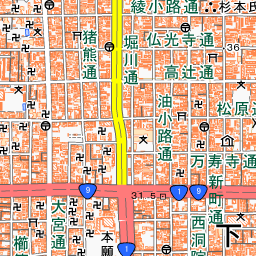


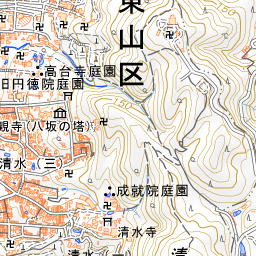
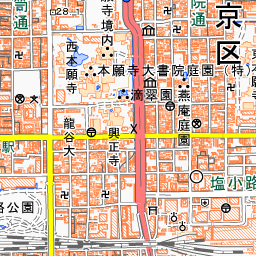
Spot location © OpenStreetMap contributors (ODbL)
Open in Google MapsGuides that include this spot (1)
Use asobot while you walk
- See where you are on the map and find spots nearby
- Listen to the guide's audio in course order, one after another (with subtitles)
- Walk to the next spot while following the map
Open on your phone
Scan to open this spot in asobot on your phone.