 ✨ AI Generated
Yoyogi Park
Japanese: 代々木公園
Shibuya City, Tokyo
This information was written by AI and may contain mistakes. Please check official sources for opening hours, fees, and other details before you go.
Found a mistake? Let us know with “✏️ Something's wrong” on this spot's screen in asobot →
🎧 Audio guide(1:03)
In short
Yoyogi Park is a metropolitan park located near Harajuku Station featuring an expansive forest and grassy lawns. Having transitioned from a military parade ground to post-war US military housing and then the athletes' village for the 1964 Tokyo Olympics, it became a park in 1967. Together with the trees of the adjacent Meiji-jingu Shrine, it forms a dense, lush forest. The park is separated by a road into Area A, a forested park, and Area B, which includes facilities such as an athletics stadium.
- Central Plaza: A grassy open space in the middle of the park where you can enjoy wide, open blue skies.
- Olympic Memorial Dormitory: The only remaining building used in the athletes' village, which served as housing for Dutch athletes.
- Bird Sanctuary: A wild bird sanctuary planted with fruit-bearing trees and enclosed by fences, where visitors can observe wild birds from outside.
History and Highlights
Yoyogi Park is the fifth largest metropolitan park among the 23 wards of Tokyo. It was once the Yoyogi Parade Ground of the Imperial Japanese Army. After the war, it became "Washington Heights," a residential area for the US military, and was later used as the athletes' village during the 1964 Tokyo Olympics. Subsequently developed as a park, it opened on October 20, 1967 (Showa 42).
The trees that were still young when the park opened have now grown fully. Together with the woods of the neighboring Meiji-jingu Shrine, they form a lush, deep green forest. The park is divided into two sections across a road: Area A, developed as a forested park, and Area B, which features an athletics stadium and an outdoor stage.
Remnants that tell the history of this land remain within the grounds. The "Monument to the Dawn of Japanese Aviation" (Nihon Koku Hasshi no Hi) commemorates Japan's first flights, conducted by Captain Tokugawa and Captain Hino in the year following the opening of the parade ground in 1909 (Meiji 42). The athletics stadium in Area B served as the venue for the opening ceremony of the 1964 Tokyo Paralympics. It is affectionately known as "Oda Field," named after Oda Mikio, the track and field athlete who became the first Japanese gold medalist at an Olympic Games.
Viewing and Experience Points
- Central Plaza: A grassy plaza located in the center of the park. Visitors can experience the expansive blue sky and bright sunshine.
- Olympic Memorial Dormitory: Located deep on the right after entering through the Harajuku Gate. It is the sole surviving building from the athletes' village, used by Dutch athletes. It was preserved because it was used as an office for the park's construction work.
- Bird Sanctuary: A sanctuary for wild birds. It is planted with fruit-bearing trees favored by wild birds and enclosed by fences. While entering inside is not permitted, you can fully observe wild birds from within the park.
Walking Tips
It is about a 3-minute walk from JR Harajuku Station, Tokyo Metro Yoyogi-koen Station, or Meiji-jingumae (Harajuku) Station. Coming from the Harajuku Station side, it is recommended to enter through the Harajuku Gate, view the Olympic Memorial Dormitory, and then proceed toward the Central Plaza. The avenue of zelkova trees, reminiscent of the traditional Musashino landscape, is also perfect for a stroll. In spring, Somei-yoshino cherries and other flowers bloom, while in autumn, ginkgoes and Japanese maples turn vibrant colors. Approximately 610 meters to the southeast stands Yoyogi First Gymnasium, built for the 1964 Tokyo Olympics.
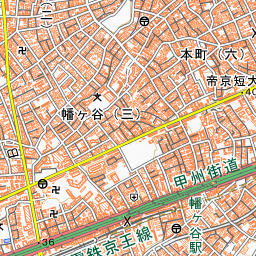
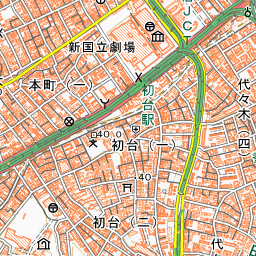
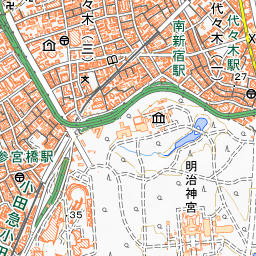
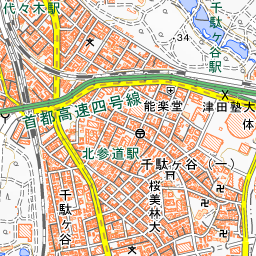
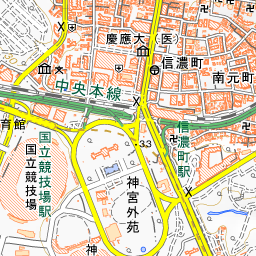
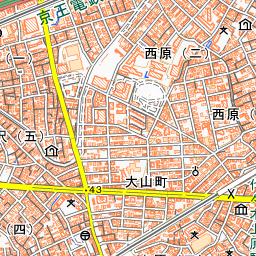
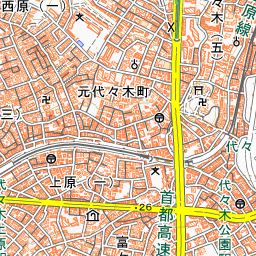
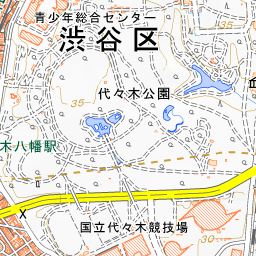
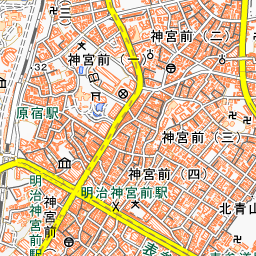
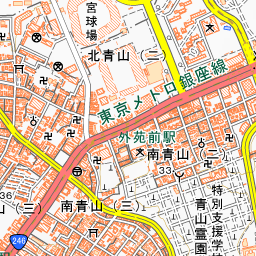
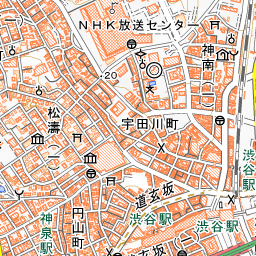
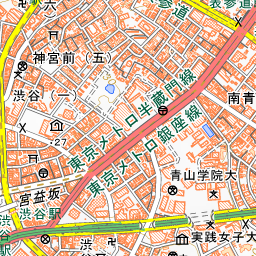
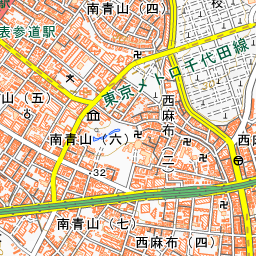
Spot location © OpenStreetMap contributors (ODbL)
Open in Google MapsGuides that include this spot (1)
Use asobot while you walk
- See where you are on the map and find spots nearby
- Listen to the guide's audio in course order, one after another (with subtitles)
- Walk to the next spot while following the map
Open on your phone
Scan to open this spot in asobot on your phone.