 ✨ AI Generated
Hachioji Castle
Japanese: 八王子城
Hachioji, Tokyo
This information was written by AI and may contain mistakes. Please check official sources for opening hours, fees, and other details before you go.
Found a mistake? Let us know with “✏️ Something's wrong” on this spot's screen in asobot →
🎧 Audio guide(1:07)
In short
These are the ruins of one of the Kanto region's premier mountain castles, built on Mount Fukasawa by Hojo Ujiteru. The castle's name is said to derive from Hachioji Gongen, which was enshrined on the mountain. On the 23rd day of the sixth month of the old lunar calendar in 1590, it was attacked and fell during Toyotomi Hideyoshi's conquest of the Kanto region, which served as the decisive blow leading to the surrender of Odawara Castle. It is a National Historic Site and has also been selected as one of Japan's Top 100 Castles.
- Goshuden Ruins: Said to be the site of Ujiteru's residence and other buildings; you can walk along reconstructed stone walls, a koguchi (entrance gate), and the Hikibashi Bridge.
- Goshuden Waterfall: A waterfall where warriors and women are said to have cast themselves into the water when the castle fell.
- Honmaru (Main Bailey) Ruins and Hachioji-jinja Shrine: Located atop the mountain are the ruins of the main bailey and Hachioji-jinja Shrine, which is said to be the origin of the place name "Hachioji."
History and Highlights
Hachioji Castle is one of the Kanto region's leading mountain castles, built by Hojo Ujiteru, the third son of Ujiyasu, the third-generation head of the Hojo clan based in Odawara. Construction is said to have begun around 1582 (Tensho 10), and he is believed to have relocated his base from Takiyama Castle by around 1587. The castle was built on Mount Fukasawa at an elevation of 445 meters. Ujiteru made Hachioji Gongen, enshrined on Mount Fukasawa, the guardian deity of the castle. This is said to have become the origin of both the castle's name and the place name "Hachioji."
On the 23rd day of the sixth month of the old lunar calendar in 1590 (Tensho 18), during Toyotomi Hideyoshi's campaign to control Kanto, the castle was attacked by the forces of Maeda Toshiie and Uesugi Kagekatsu and fell. This defeat proved decisive, leading to the surrender of Odawara Castle and the fall of the Hojo clan. Ujiteru had been holed up in Odawara Castle at the time and committed seppuku alongside his older brother, Ujimasa, after the surrender.
The castle is broadly divided into the Negoya district (which served as the castle town), the residence district (where Ujiteru's mansion and other structures stood), and the fortress district (which served as a stronghold during battle). Following the castle's fall, the area became land directly controlled by the Edo shogunate and later national forest; because it was largely left untouched, the remains around the Goshuden are well preserved. It was designated a National Historic Site in 1951 and selected as one of Japan's Top 100 Castles in 2006.
Viewing and Experience Highlights
- Goshuden Ruins: Excavations uncovered the remains of two large buildings and a garden with a pond. Among the excavated artifacts, Venetian-made filigree glass vessels have been found nowhere else in Japan except at Hachioji Castle.
- Hikibashi Bridge and Koguchi: Hikibashi is a bridge built over the Shiroyama River to access the Goshuden ruins. It is thought that a simple wooden bridge was built here at the time, which could be dismantled to prevent enemy intrusion. At the koguchi (the entrance to the enclosure), original stone walls and stone pavings were reused as much as possible in the reconstruction.
- Goshuden Waterfall: It is said that when the castle fell, warriors and women on the Hojo side who were at the Goshuden took their own lives upstream of the waterfall and cast themselves into it one after another. The waters of the Shiroyama River are said to have run red with their blood for three days and three nights.
Travel Tips
Take a bus from the North Exit of JR Takao Station, get off at "Reien-mae / Hachioji Castle Ruins Entrance," and walk for about 20 minutes. At the entrance, the Hachioji Castle Ruins Guidance Facility introduces the history of the castle and Hojo Ujiteru through videos and display panels. The building is octagonal, referencing the "hachi" (eight) in "Hachioji."
A well-maintained walking path leads to the Goshuden ruins. Reaching the honmaru ruins at the top of the mountain requires a mountain trail that takes about one hour each way. Near the summit along the way stands Hachioji-jinja Shrine, said to be the origin of the place name "Hachioji." Because the flat area at the honmaru ruins is not very large, it is thought that there were no large structures such as a castle keep. As it is a mountain path, please wear comfortable, well-broken-in shoes.
The castle where Ujiteru resided prior to moving here is the Takiyama Castle Ruins, also located in Hachioji City.
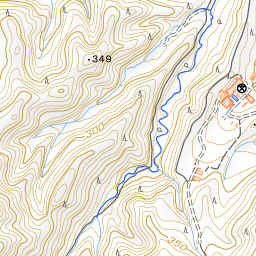
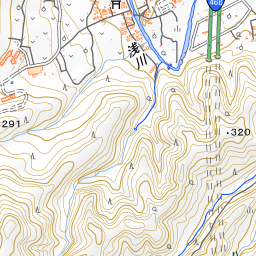
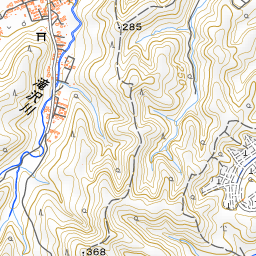
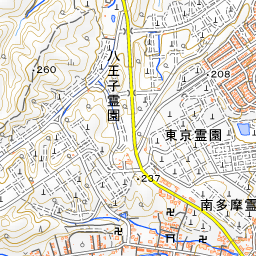
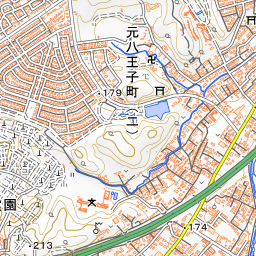
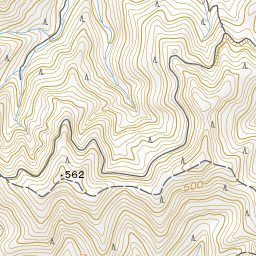
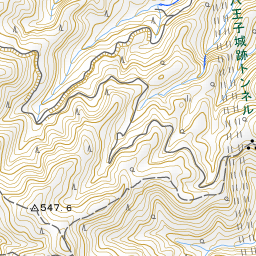
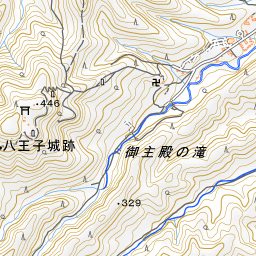
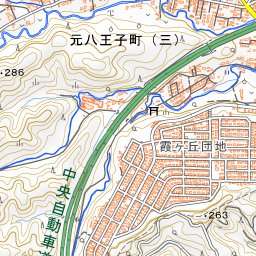
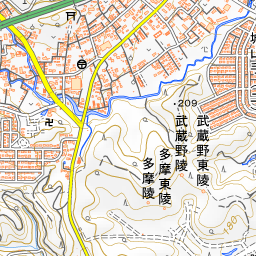
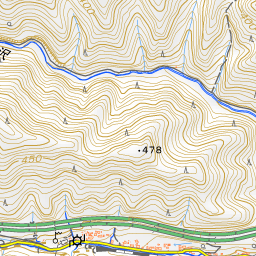
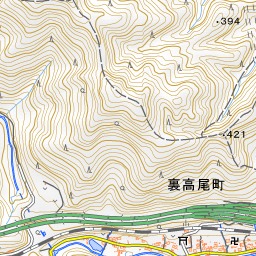
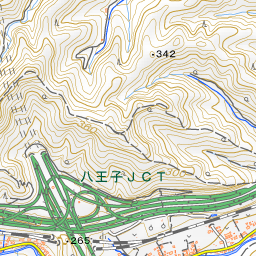
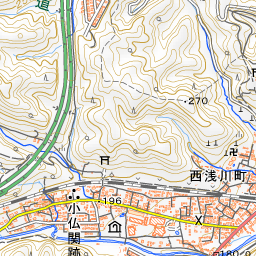
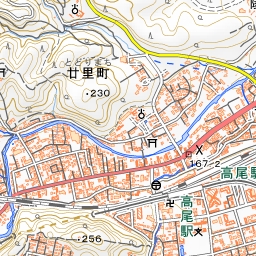
Spot location © OpenStreetMap contributors (ODbL)
Open in Google MapsGuides that include this spot (1)
Use asobot while you walk
- See where you are on the map and find spots nearby
- Listen to the guide's audio in course order, one after another (with subtitles)
- Walk to the next spot while following the map
Open on your phone
Scan to open this spot in asobot on your phone.