 ✨ AI Generated
Gobyoyama Kofun Burial Mound
Japanese: 御廟山古墳
Kita Ward, Sakai, Osaka
This information was written by AI and may contain mistakes. Please check official sources for opening hours, fees, and other details before you go.
Found a mistake? Let us know with “✏️ Something's wrong” on this spot's screen in asobot →
🎧 Audio guide(1:13)
In short
A keyhole-shaped burial mound with its front square part facing west, located in the central part of the Mozu Kofun Group, and one of the component assets of the World Heritage site "Mozu-Furuichi Kofun Group." The mound is managed by the Imperial Household Agency as a reference mausoleum site (ryobo sankochi). An archaeological excavation conducted by the Imperial Household Agency and Sakai City in 2008 (Heisei 20) reconstructed the mound's length to be 203 meters. It is thought to have been constructed in the first half of the 5th century.
- Haniwa and the Rituals on the Tsukuridashi: It was revealed that haniwa had been lined up without gaps on the first-tier terrace of the mound. From the tsukuridashi and its surrounding area, some of the largest enclosure-shaped haniwa, house-shaped haniwa, and clay items shaped like fish and baskets were found, conveying glimpses of the rituals conducted on the tsukuridashi
- Moat Known as Gobyoike: A shield-shaped moat known as Gobyoike and its embankment remain around the mound and are designated as a National Historic Site. Although the current moat is a single ring, it was a double moat at the time of construction
- Second Largest Among West-Facing Mounds: It is the second largest among the west-facing mounds in the Mozu Kofun Group
History and Highlights
Gobyoyama Kofun Burial Mound is a keyhole-shaped burial mound with its front square part facing west, located in Mozuhonmachi in the central part of the Mozu Kofun Group. It is one of the component assets of the World Heritage site "Mozu-Furuichi Kofun Group" and was inscribed on the World Heritage List in 2019. The mound is managed by the Imperial Household Agency as a reference mausoleum site (ryobo sankochi).
An archaeological excavation conducted by the Imperial Household Agency and Sakai City in 2008 reconstructed the mound's dimensions to be 203 meters in length, with the round rear portion having a diameter of 113 meters and a height of 18.3 meters, making it the fourth largest in the Mozu Kofun Group. The mound was built in three tiers, and a rectangular platform (tsukuridashi) exists only at the constriction on the southern side. The burial facilities and grave goods remain unknown. It is thought to have been constructed in the first half of the 5th century.
This excavation revealed that haniwa (terracotta clay figures) were closely lined up without gaps on the first-tier terrace of the mound. From the tsukuridashi and its surrounding area, some of the largest enclosure-shaped haniwa as well as house-shaped haniwa reminiscent of Shinto shrine architecture were unearthed. Small earthenware vessels and clay items shaped like fish and baskets were also found, conveying glimpses of the rituals once conducted on the tsukuridashi.
Viewing and Experience Highlights
- Moat Known as Gobyoike: A shield-shaped moat known as Gobyoike and its embankment remain around the mound and are designated as a National Historic Site. Although the current moat is a single ring, it was a double moat at the time of construction. The outer moat is buried, and its traces cannot be seen today.
- Second Largest Among West-Facing Mounds: It is the second largest among the west-facing mounds in the Mozu Kofun Group. The largest west-facing mound is the Haze Nisanzai Kofun Burial Mound to the southeast.
- Disappeared Small Mounds: There appear to have been several small mounds in the surroundings considered to be subsidiary tombs (baicho). From the now-vanished Katomboyama Kofun, numerous stone-made replicas were unearthed.
Walking Tips
In Sakai City's visitor guidance for exploring the mounds in this area, Mozu Station on the JR Hanwa Line is listed as a nearby station. The same guide introduces Mozu Hachimangu Shrine, known for its futon daiko (cushioned drum floats), alongside the Itasuke Kofun Burial Mound and Haze Nisanzai Kofun Burial Mound. It is about 470 meters west to the Itasuke Kofun Burial Mound and about 1.1 kilometers southeast to the Haze Nisanzai Kofun Burial Mound.
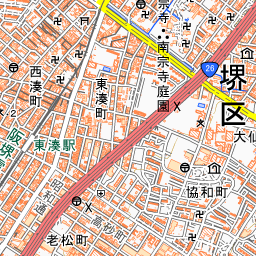
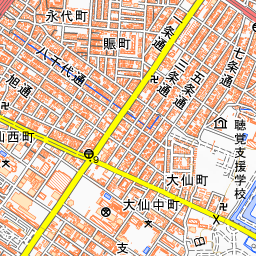
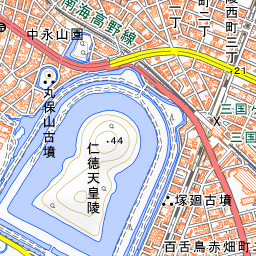
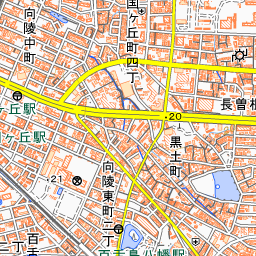
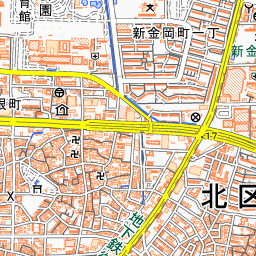
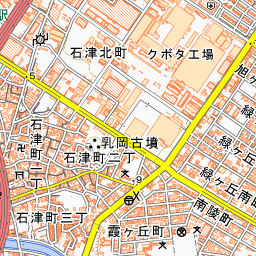
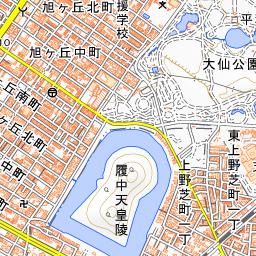
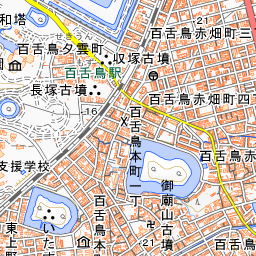
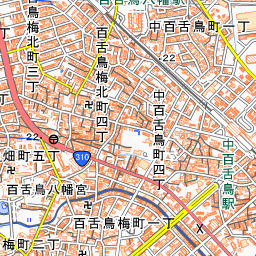
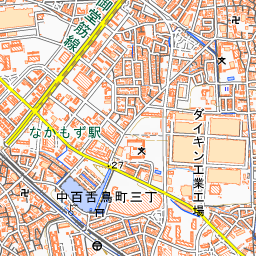
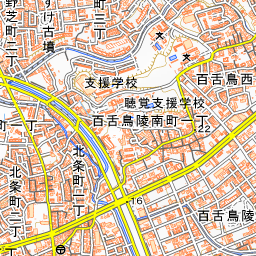
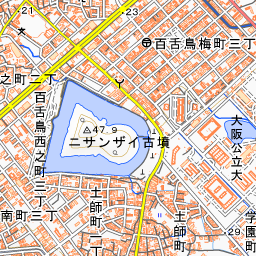
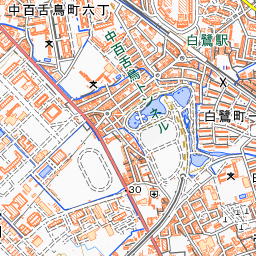
Spot location © OpenStreetMap contributors (ODbL)
Open in Google MapsGuides that include this spot (1)
Use asobot while you walk
- See where you are on the map and find spots nearby
- Listen to the guide's audio in course order, one after another (with subtitles)
- Walk to the next spot while following the map
Open on your phone
Scan to open this spot in asobot on your phone.