 ✨ AI Generated
Tsukiji Hongwanji Temple
Japanese: 築地本願寺
Chuo City, Tokyo
This information was written by AI and may contain mistakes. Please check official sources for opening hours, fees, and other details before you go.
Found a mistake? Let us know with “✏️ Something's wrong” on this spot's screen in asobot →
🎧 Audio guide(1:06)
In short
Tsukiji Hongwanji Temple is a temple that serves as the base for the Jodo Shinshu Hongwanji-ha branch in the Kanto region. The current main hall was rebuilt in 1934 based on the design of architect Ito Chuta and is known for its stone-like exterior inspired by ancient Indian Buddhist architecture. The main hall, along with the surrounding stone walls and gateposts, is designated as a national Important Cultural Property.
- Indian-style exterior: At the center of the main hall sits a large, copper-sheeted round roof, flanked by towers for the bell tower and drum tower shaped like Buddhist stupas.
- Main hall interior carrying on tradition: In contrast to its exterior, the interior of the main hall preserves the traditional style of a Jodo Shinshu temple.
- Origin of the place name: The name "Tsukiji" originates from the fact that it was "constructed land" (tsukiji) reclaimed from the sea during the temple's relocation and reconstruction.
History and Highlights
Tsukiji Hongwanji Temple is a temple that serves as the base for the Jodo Shinshu Hongwanji-ha branch in the Kanto region. It was founded in 1617 as a temple directly controlled by Nishi Hongwanji Temple in Kyoto. The initial temple buildings were located around Yokoyama-cho, but after being destroyed in the Great Fire of Meireki, the temple quarters were completed at the current Tsukiji site in 1679. The name "Tsukiji" comes from the fact that it was "constructed land" reclaimed from Edo Port during the temple's relocation and reconstruction.
A fire immediately following the Great Kanto Earthquake destroyed most of the temple compound. The current main hall was rebuilt in 1934. Architect Ito Chuta, who was asked to design it by Otani Kozui of Nishi Hongwanji Temple, did not use the traditional Japanese temple style, but instead incorporated the architectural style of India—the birthplace of Buddhism—into the exterior through his own unique interpretation. While the structure is made of reinforced concrete, the exterior is finished to resemble stone masonry. In 2014, the main hall was designated as a national Important Cultural Property, along with the surrounding walls built of Oya Stone and the gateposts of the main gate, north gate, and south gate.
Viewing and Experience Points
- Indian-style exterior: The main hall in the center of the granite-accented building features a massive vaulted roof sheeted in copper. The rounded roof is modeled after a bodhi tree leaf, and the relief carving inside it is based on a lotus motif. The wings extending to the left and right are topped with towers for a bell tower and drum tower in the shape of Buddhist stupas.
- From the stairs to the main hall entrance: Ascend the stairs featuring distinctive curved balustrade ornamentation to reach the front of the second-floor main hall. An oriental atmosphere can be felt in the arabesque-style floor tiles and the plant-patterned stained glass above the doors. Be sure to look for the stone animal statues as well.
- Main hall interior carrying on tradition: The interior of the main hall consists of the outer hall (gejin) with chair seating and the inner hall (naijin) with tatami matting, continuing the traditional main hall style of Jodo Shinshu temples. In addition to the statue of Amida Buddha, stained glass windows depicting lotus flowers and a pipe organ create a uniquely beautiful atmosphere.
Tips for Exploring
The temple is directly connected to Exit 1 of Tsukiji Station on the Tokyo Metro Hibiya Line. The main hall faces west and stands toward the eastern side of the grounds. It is recommended to stand in front, view the entire symmetrical structure extending left and right, and then climb the stairs. The surrounding walls built of Oya Stone and the gateposts also share the same design as the main hall. Tsukiji Outer Market is about 200 meters to the southwest, Namiyoke Inari-jinja Shrine is about 350 meters to the south, and Kabukiza Theatre is about 500 meters to the northwest.
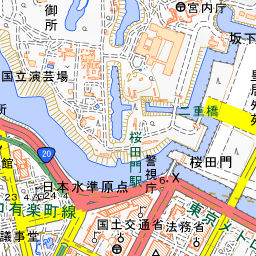
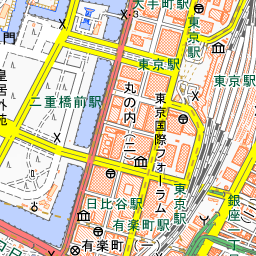
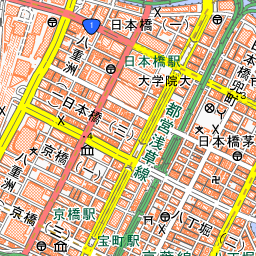
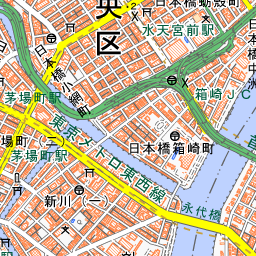
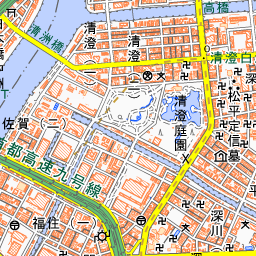


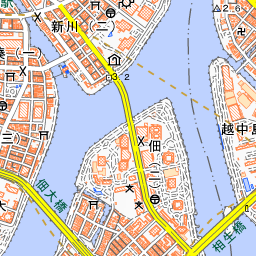
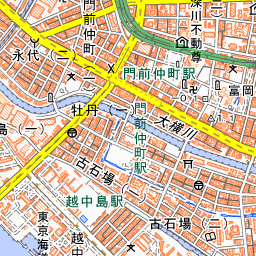
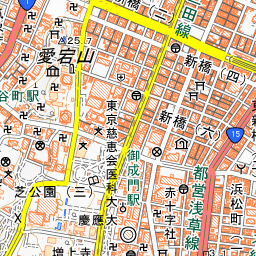

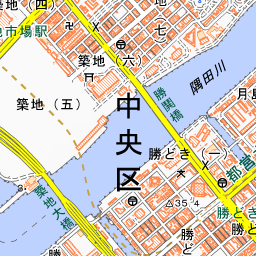
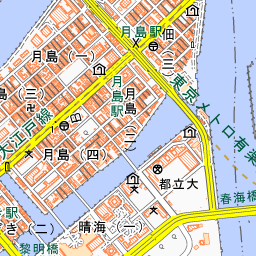
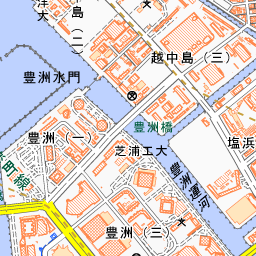
Spot location © OpenStreetMap contributors (ODbL)
Open in Google MapsGuides that include this spot (1)
Use asobot while you walk
- See where you are on the map and find spots nearby
- Listen to the guide's audio in course order, one after another (with subtitles)
- Walk to the next spot while following the map
Open on your phone
Scan to open this spot in asobot on your phone.