 ✨ AI Generated
Takoyakushi-do Eifuku-ji Temple
Japanese: 蛸薬師堂 永福寺
Nakagyo Ward, Kyoto
This information was written by AI and may contain mistakes. Please check official sources for opening hours, fees, and other details before you go.
Found a mistake? Let us know with “✏️ Something's wrong” on this spot's screen in asobot →
🎧 Audio guide(1:09)
In short
A temple facing Shinkyogoku-dori Street in the downtown area of Kyoto, formally named Jorurizan Rinshu-in Eifuku-ji. According to temple tradition, it began in 1181 (Yowa 1), when Rinshu, who had deep faith in the Yakushi Nyorai of Mt. Hiei, dug up a stone statue as told in a dream, brought it back, and built a hall. The approach path came to be called "Takoyakushi-dori Street."
- Origin of the Name Takoyakushi: Around the beginning of the Kencho era (1249–1256), the octopus that Zenko, a priest of this temple, bought for his sick mother is said to have transformed its eight legs into eight scrolls of Buddhist sutras and radiated light, and that his mother's illness was immediately cured
- Prayers for Recovery from Illness: Takoyakushi Nyorai is believed to possess miraculous efficacy in stopping cancer, curing illness, and warding off misfortune. Amulets shaped like medicine pots (yakko) and octopus-shaped phone straps said to suck out illness are also offered
- Daihannya-e on the 8th of Every Month: Events coincide on the 8th, including Hatsu-Yakushi on January 8, grand festivals on April 8 and October 8, and Shimai-Yakushi on December 8. A daikon-daki (radish cooking) gathering also takes place on December 31
History and Highlights
Takoyakushi-do Eifuku-ji Temple is a temple facing Shinkyogoku-dori Street in the downtown area of Kyoto. Its official name is Jorurizan Rinshu-in Eifuku-ji, and it was originally located in Nijo-Muromachi. According to temple tradition, in 1181 (Yowa 1), a wealthy man living in Muromachi took the tonsure, took the Buddhist name Rinshu, and, possessing deep faith in the Yakushi Nyorai of Mt. Hiei's Konpon Chu-do Hall, continued to visit and pray there over many years. When the elderly Rinshu prayed to be granted a single image of Yakushi Nyorai, Yakushi Nyorai appeared in a dream and told him to bring back a statue that Dengyo Daishi (Saicho) had carved into stone and buried on Mt. Hiei. It is said to have begun when he brought back the excavated stone statue, built a four-sided hall measuring six ken (about 11 meters) on each side, and named it Eifuku-ji.
During the era of Toyotomi Hideyoshi, when large temples were relocated to the eastern edge of the capital, the temple was moved from Nijo-Muromachi. Later, having undergone destruction by fire at the end of the Edo period and land readjustment during the Meiji Restoration, the temple exchanged temple names with Myoshin-ji Temple of Okazaki City, Aichi Prefecture. As a result, two halls—Eifuku-ji and Myoshin-ji Temple—stand on the same grounds, enshrining two deities: Yakushi Rurikō Nyorai and Amida Nyorai. Because it was bustling with worshipers even after its relocation, the approach path came to be called "Takoyakushi-dori Street."
Highlights and Experiences
- Origin of the Name Takoyakushi: Around the beginning of the Kencho era (1249–1256), a priest of this temple named Zenko hesitated as a Buddhist monk, but nevertheless bought octopus at the market because his sick mother wished to eat octopus, her favorite food. When pressed by townsfolk to show the contents of the box, he prayed to Yakushi Nyorai and opened it; the octopus is said to have transformed its eight legs into eight scrolls of Buddhist sutras and radiated light. The sutras then reverted back to an octopus and entered the pond in front of the gate—which became the origin of the present-day Oike-dori Street's name—and it is said that the light it emitted immediately cured his mother's illness.
- Prayers for Recovery from Illness: Takoyakushi Nyorai is believed to possess miraculous efficacy in stopping cancer, curing illness, and warding off misfortune, and in 1441 (Kakitsu 1) it became an imperial prayer temple of Go-Hanazono-in. Amulets shaped like medicine pots (yakko) and octopus-shaped phone straps said to suck out illness are also offered.
- Daihannya-e on the 8th of Every Month: The Daihannya-e ceremony is held on the 8th of every month, with various events coinciding on the 8th, including Hatsu-Yakushi on January 8, grand festivals on April 8 and October 8, and Shimai-Yakushi on December 8. A daikon-daki (radish cooking) gathering also takes place on December 31.
Tips for Exploring
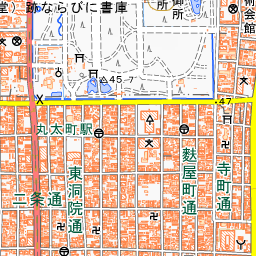
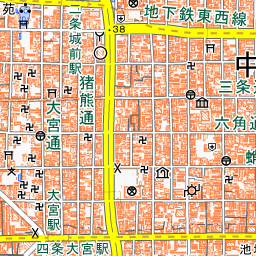
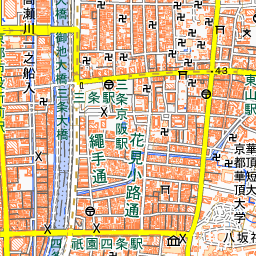
It is about a 10-minute walk from Hankyu Kyoto-kawaramachi Station. Nishiki Tenmangu Shrine is located about 130 meters to the south, Seigan-ji Temple is about 130 meters to the north, and Nishiki Market is about 200 meters to the southwest, making it suitable for a continuous walking tour.







Spot location © OpenStreetMap contributors (ODbL)
Open in Google MapsUse asobot while you walk
- See where you are on the map and find spots nearby
- Listen to the guide's audio in course order, one after another (with subtitles)
- Walk to the next spot while following the map
Open on your phone
Scan to open this spot in asobot on your phone.