 ✨ AI Generated
Arashiyama Monkey Park Iwatayama
Japanese: 嵐山モンキーパークいわたやま
Nishikyo Ward, Kyoto
This information was written by AI and may contain mistakes. Please check official sources for opening hours, fees, and other details before you go.
Found a mistake? Let us know with “✏️ Something's wrong” on this spot's screen in asobot →
🎧 Audio guide(1:03)
In short
A park in the mountains of Arashiyama where approximately 120 Japanese macaques live in a wild state. Primatologists from Kyoto University began researching the monkeys here in 1954 and cooperated in opening the facility in 1957. There are no fences inside the park, and other wild animals, such as deer, badgers, and masked palm civets, also live there.
- Feeding from the Rest Area: From inside the rest area on the mountaintop, visitors can feed the monkeys through wire mesh. You place the food on the feeding shelf rather than handing it directly. Feeding monkeys outside the rest area and bringing in outside food are not permitted
- View of Kyoto City: From the rest area at an elevation of 160 meters, you can enjoy a panoramic view of Kyoto city, and if the weather is good, Kyoto Tower can also be seen. In spring, cherry blossoms color the mountain, and in autumn, autumn foliage does
- Baby Monkey Season: The monkeys here give birth between late March and early September. The young monkeys learn how to get food while watching their mothers
History and Highlights
Arashiyama Monkey Park Iwatayama is a park located in the mountains of Arashiyama, where approximately 120 Japanese macaques live in a wild state. Primatologists from Kyoto University began researching the monkeys here in 1954 and cooperated in opening the facility in 1957. Around that time, staff members began naming every monkey in the troop. Today, newborn monkeys are given names combining their mother's name with their birth year, making it easy to trace each monkey's maternal lineage. University researchers still visit regularly and continue their studies.
There are no fences inside the park; the monkeys roam freely throughout the grounds during the day and usually climb up the mountain to sleep in the forest at night. Other wild animals, such as deer, badgers, and masked palm civets, also live within the park.
Viewing and Experience Highlights
- Feeding from the Rest Area: Food is sold at the rest area on the mountaintop, and visitors can feed the monkeys through wire mesh from inside the rest area. Because monkeys may grab fingers, you place the food on the feeding shelf rather than handing it directly. Feeding monkeys outside the rest area and bringing in outside food are not permitted.
- View of Kyoto City: From the rest area at an elevation of 160 meters, you can enjoy a panoramic view of Kyoto city. If the weather is good, Kyoto Tower can also be seen. In spring, cherry blossoms color the mountain, and in autumn, autumn foliage does, allowing visitors to see the monkeys against the backdrop of the changing seasons.
- Baby Monkey Season: The monkeys here give birth between late March and early September. After 3 to 4 months, the young monkeys begin to eat solid food and learn how to forage while watching their mothers.
Visitor Tips
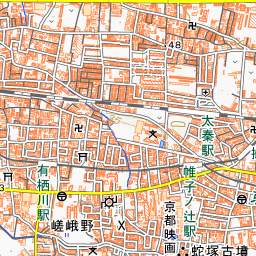
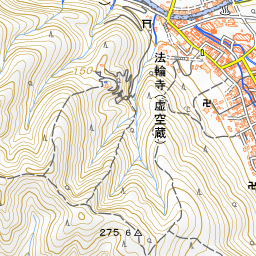
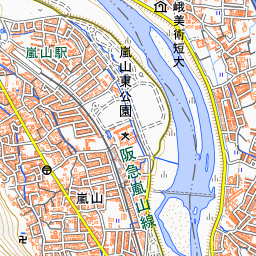
The entrance is located on the left after walking about 20 meters upstream along the river from the south side of Togetsukyo Bridge and entering the grounds of Ichiidani Munakata-jinja Shrine. It is about a 7-minute walk from Hankyu Arashiyama Station to the entrance. From the entrance to the area where the monkeys are is about a 20-minute hike, beginning with 120 steps followed by a gentle uphill slope. Because the monkeys are wild, please follow the park rules, such as not touching them, not staring directly into their eyes, and keeping a distance of about 2 meters. Horin-ji Temple is located about 160 meters to the south.
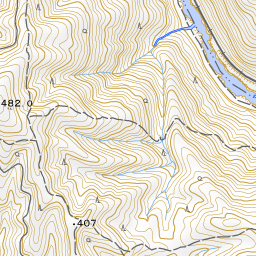
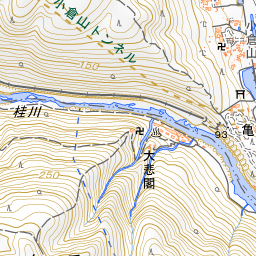
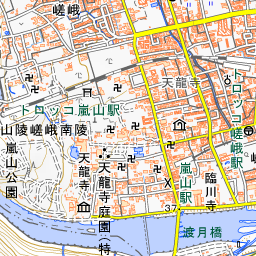
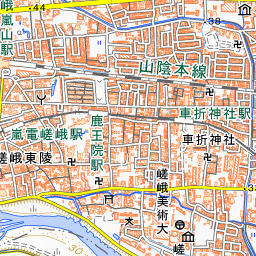
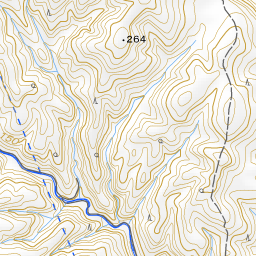
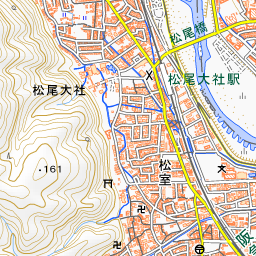

Spot location © OpenStreetMap contributors (ODbL)
Open in Google MapsGuides that include this spot (1)
Use asobot while you walk
- See where you are on the map and find spots nearby
- Listen to the guide's audio in course order, one after another (with subtitles)
- Walk to the next spot while following the map
Open on your phone
Scan to open this spot in asobot on your phone.