 ✨ AI Generated
Amanohashidate
Japanese: 天橋立
Miyazu, Kyoto
This information was written by AI and may contain mistakes. Please check official sources for opening hours, fees, and other details before you go.
Found a mistake? Let us know with “✏️ Something's wrong” on this spot's screen in asobot →
🎧 Audio guide(1:02)
In short
A sandbar in Miyazu Bay on the Sea of Japan, in northern Kyoto Prefecture, counted as one of the Three Views of Japan along with Matsushima in Mutsu and Miyajima in Aki. The sandbar, with a total length of about 3.6 kilometers, is densely grown with around 5,400 pine trees, and it was designated as a national Special Place of Scenic Beauty in 1952 (Showa 27).
- Shoryukan and Hiryukan: The view from Kasamatsu Park on the north side is called "Shoryukan," while the view from Amanohashidate View Land on the south side is called "Hiryukan." In the "Matanozoki" posture, the sea and sky appear reversed, and Amanohashidate looks like a bridge spanning the heavens
- Walking across the Pine Grove: Traversing the sandbar takes approximately 50 minutes one way on foot, or about 20 minutes by bicycle, as a rough guide. Because it is a Quasi-National Park, cars cannot enter
- Isoshimizu: A mysterious spring that contains no saltiness despite being surrounded by the sea, selected as one of Japan's 100 Famous Waters in 1985
History and Highlights
Amanohashidate is a sandbar located in Miyazu Bay on the Sea of Japan, in northern Kyoto Prefecture. Along with Matsushima in Mutsu and Miyajima in Aki, it is counted as one of the Three Views of Japan. It was selected as one of the three views by Hayashi Gaho, a Confucian scholar of the early Edo period. Dividing Miyazu Bay and the Aso Sea in two, the sandbar extends southwards into Miyazu Bay with a width of approximately 20 to 170 meters and a total length of about 3.6 kilometers, densely grown with around 5,400 pine trees. It is estimated to have appeared above sea level about 4,000 years ago as sand and gravel washed down from rivers on the eastern coast of the Tango Peninsula and were deposited by coastal currents.
Regarding the origin of its name, the Tango Fudoki records that a ladder set up by Izanagi-no-Mikoto to connect heaven and earth collapsed onto the sea while he was sleeping, turning into a long, narrow strip of land. It is said that aristocrats and pilgrims were visiting by at least the 8th century, and during the Muromachi period, the National Treasure painting View of Amanohashidate, considered to have been painted by Sesshu, was created. It was designated as a national Place of Scenic Beauty in 1922 (Taisho 11) and as a Special Place of Scenic Beauty in 1952 (Showa 27).
Viewing and Experience Highlights
- Shoryukan to the North, Hiryukan to the South: The view from Kasamatsu Park halfway up Mt. Nariai on the north side is called "Shoryukan" because it looks like a rising dragon, while the view from Amanohashidate View Land atop Mt. Monju on the south side is called "Hiryukan" because it looks like a dragon dancing in the sky. If you turn your back and bend down to look between your legs in the "Matanozoki" posture, the sea and sky appear reversed, and Amanohashidate looks like a bridge spanning the heavens.
- Walking across the Pine Grove: Traversing through the sandbar takes approximately 50 minutes one way on foot, or about 20 minutes by bicycle. Because it is a Quasi-National Park, cars cannot enter. You proceed through scenery selected for numerous Top 100 selections in Japan, such as Japan's 100 Famous Pine Trees, 100 White Sand and Green Pines, and 100 Beaches.
- Isoshimizu and Amanohashidate Shrine: Isoshimizu, located about a 15-minute walk from Amanohashidate Station, is a mysterious spring that contains no saltiness despite being surrounded by the sea, and was selected as one of Japan's 100 Famous Waters in 1985. Right next to it is Amanohashidate Shrine, where the Eight Great Dragon Kings are enshrined.
Walking Tips
It is about a 5-minute walk from Amanohashidate Station on the Kyoto Tango Railway. Near the station are Kaisenkyo Rotating Bridge and Chion-ji Temple, while Kasamatsu Park and Kono-jinja Shrine are near the northern end. At Amanohashidate, visitors can also enjoy sightseeing boats, sea kayaks, and rental bicycles, making it possible to savor views from the water in addition to walking through the pine grove. In summer, the beach at the southern end becomes lively.
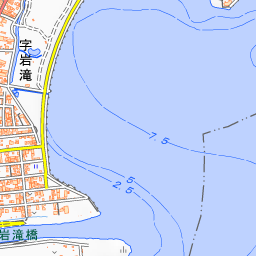
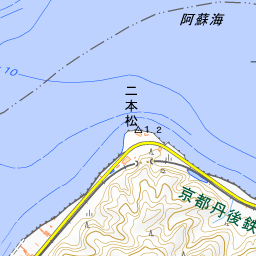
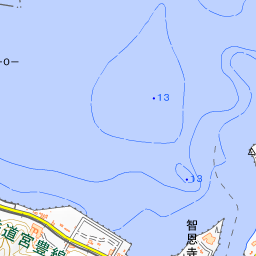
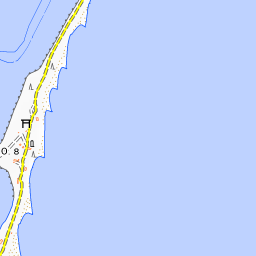
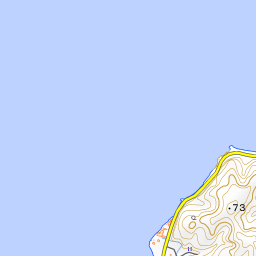
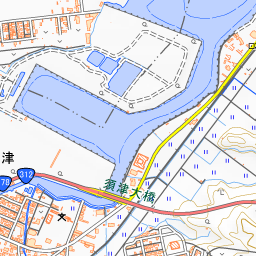
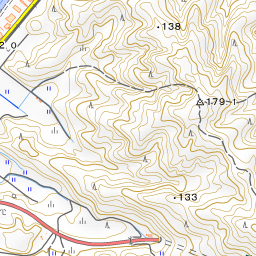
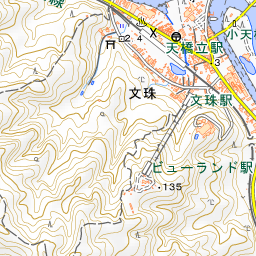
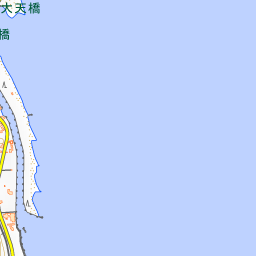
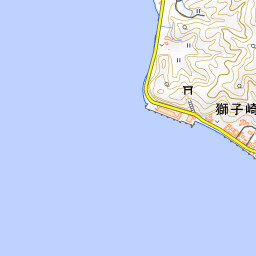


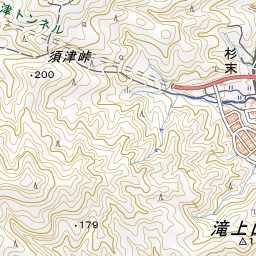
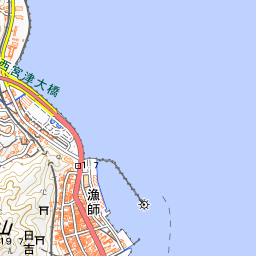
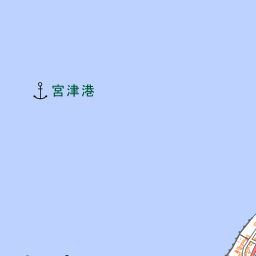
Spot location © OpenStreetMap contributors (ODbL)
Open in Google MapsGuides that include this spot (3)
Use asobot while you walk
- See where you are on the map and find spots nearby
- Listen to the guide's audio in course order, one after another (with subtitles)
- Walk to the next spot while following the map
Open on your phone
Scan to open this spot in asobot on your phone.