 ✨ AI Generated
Niizawa Senzuka Kofun Group
Japanese: 新沢千塚古墳群
Kashihara, Nara
This information was written by AI and may contain mistakes. Please check official sources for opening hours, fees, and other details before you go.
Found a mistake? Let us know with “✏️ Something's wrong” on this spot's screen in asobot →
🎧 Audio guide(1:04)
In short
The Niizawa Senzuka Kofun Group is a cluster of approximately 600 burial mounds (kofun) located on the hills southwest of Mt. Unebi. As a representative cluster of burial mounds (gunshufun) in Japan, it was designated as a National Historic Site in 1976. Today, it has been developed as a park where visitors can stroll along walking paths. It is about a 10-minute bus ride from Kintetsu's Kashiharajingu-mae Station, and the Rekishi-ni-Ikou Kashihara City Museum is located right next to it.
- Burial Mounds Lined Across the Hills: Many round burial mounds resembling inverted bowls line the tops of the hills.
- Kofun No. 126: Artifacts believed to have been brought via the Silk Road were found here, and all excavated items are designated as National Important Cultural Properties.
- Mountain Views: From six viewpoints within the park, visitors can gaze upon Mt. Unebi and other mountains celebrated in the Man'yoshu poetry anthology.
History and Highlights
The Niizawa Senzuka Kofun Group is a burial mound cluster located in the northwestern part of the Ochioka Hills. The mounds spread across the hills to the south and north across a prefectural road. It has also long been called Kawanishi Senzuka. With a total of about 600 mounds, it is a representative cluster of burial mounds in Japan. In 1976, it was designated as a National Historic Site.
Dating from the 4th to the 6th centuries, the group mainly consists of small round mounds (empun). The majority are round mounds measuring 10 to 30 meters in diameter. In addition, keyhole-shaped mounds (zenpo-koen-fun), square-front, square-back mounds (zenpo-koho-fun), and square mounds (hofun) are also included. The variety of burial mound shapes is one of its distinctive features. The predominant burial method was mokkan jikiso, in which wooden coffins were buried directly in the ground.
Among them, Kofun No. 126 is particularly well known. Built in the late 5th century, it is a rectangular burial mound measuring 22 meters on its long side and 16 meters on its short side. From this mound, which is by no means large, items such as gold earrings, finger rings, and cobalt-blue glass plates were uncovered. These artifacts are believed to have been brought from the Persian region via the Silk Road through China and the Korean Peninsula. All of the items excavated from this mound are designated as National Important Cultural Properties. Detailed stories about these items are presented at the adjacent Rekishi-ni-Ikou Kashihara City Museum.
Highlights & Things to Do
- Burial Mounds Lined Across the Hills: On top of the hills, numerous rounded, hill-like burial mounds resembling inverted bowls line up one after another.
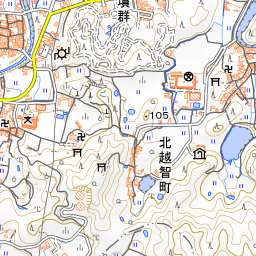
- North and South Clusters: The park is divided across the prefectural road into a North Cluster and a South Cluster. In the South Cluster, there is a reconstructed burial mound.
- Viewpoints Overlooking Mountains: There are six viewpoints in the park where visitors can view Mt. Unebi and other mountains celebrated in the Man'yoshu. There are also spots overlooking Mt. Nijo, Mt. Kongo, and Mt. Katsuragi.
Tips for Visitors
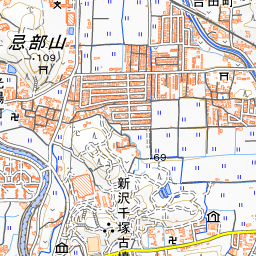
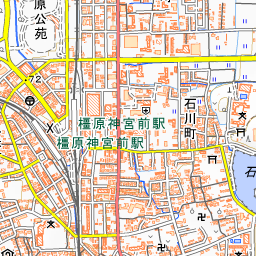
It is about a 10-minute bus ride from Kintetsu's Kashiharajingu-mae Station. The burial mound group is located on the hills southwest of Mt. Unebi, surrounded by pastoral countryside scenery. Walking paths are well-maintained throughout the park. In addition to cherry blossoms, azaleas, hydrangeas, irises (ayame and kakitsubata), and Japanese maples, visitors can also see bamboo lilies (sasayuri) blooming in the satoyama woodland landscape. At Kofun No. 126, visitors can enjoy cherry blossoms. Before or after your walk, consider stopping by the Rekishi-ni-Ikou Kashihara City Museum, located about 290 meters to the northwest. The museum serves as a site museum for this burial mound group, exhibiting replicas and reproductions of the artifacts from Kofun No. 126.

Use asobot while you walk
- See where you are on the map and find spots nearby
- Listen to the guide's audio in course order, one after another (with subtitles)
- Walk to the next spot while following the map
Open on your phone
Scan to open this spot in asobot on your phone.