 ✨ AI Generated
Ota Memorial Museum of Art
Japanese: 太田記念美術館
Shibuya City, Tokyo
This information was written by AI and may contain mistakes. Please check official sources for opening hours, fees, and other details before you go.
Found a mistake? Let us know with “✏️ Something's wrong” on this spot's screen in asobot →
🎧 Audio guide(1:00)
In short
The Ota Memorial Museum of Art is an art museum specializing in ukiyo-e, located just off Omotesando in Harajuku down a side street. Based on the ukiyo-e collection assembled by the businessman Ota Seizo V, the museum holds approximately 15,000 works. Exhibitions change monthly with a different theme, rotating the displayed artworks.
- Monthly Themed Exhibitions: There is no permanent exhibition; instead, about 70 to 100 works are rotated and displayed each month.
- A Collection Tracing the History of Ukiyo-e: The collection spans a wide range of eras, from early ukiyo-e to the shin-hanga (new prints) of the Taisho period.
- Nikuhitsuga Paintings and Woodblock Prints: The museum holds masterpieces of both nikuhitsuga (paintings brushed directly by artists) and woodblock prints.
History and Highlights
The Ota Memorial Museum of Art is an art museum specializing in ukiyo-e. Ukiyo-e refers to pictures themed on the current world in which people live—the "floating world"—and was actively produced for a wide audience from the late 17th century through the 19th century.
The foundation of the museum was the ukiyo-e collection assembled by Ota Seizo V (1893–1977), who served as president of Toho Mutual Life Insurance. Born in Fukuoka City, Seizo had been interested in ukiyo-e since his university days. While traveling in Europe and the United States in his late twenties, he learned that ukiyo-e was highly acclaimed in Western museums and had exerted a profound influence on Western painting. Lamenting that many ukiyo-e works had flowed overseas to Europe and America, Seizo continued to collect them with even greater passion. Although part of the collection was lost to fire during the Pacific War, he continued collecting for over half a century, from the end of the Taisho period until his death in 1977.
The collected works were hardly ever shown to the public during his lifetime. After Seizo died at the age of 83, his surviving family decided to establish an art museum. Following about two years of operations at the former head office building of Toho Mutual Life Insurance in Ginza from November 1977, the museum officially opened on January 13, 1980, in its current location in Jingumae 1-chome. Today, the collection comprises approximately 15,000 works, including about 12,000 collected by Seizo.
Viewing and Experience Highlights
- Monthly Themed Exhibitions: The museum does not have a permanent exhibition. A theme is set each month, and works matching that theme are displayed. Because approximately 70 to 100 works are rotated every month, you can encounter different ukiyo-e on every visit.
- Tracing the History of Ukiyo-e: The collection spans a broad range of periods, from early ukiyo-e artists such as the Hishikawa school to the shin-hanga of the Taisho period. It also includes representative masterpieces by Kitagawa Utamaro, Katsushika Hokusai, and Utagawa Hiroshige. Hokusai's "The Great Wave off Kanagawa" from "Thirty-six Views of Mount Fuji" is among the works in the collection.
- Nikuhitsuga and Prints, Carving and Printing: Ukiyo-e includes both nikuhitsuga paintings brushed by artists and prints made with woodblocks. This museum holds numerous outstanding works of both kinds. Another feature of the museum is the large number of works that remain in good condition and showcase exquisite carving and printing.
Exploring the Area
The museum is a 5-minute walk from the Omotesando Exit of Harajuku Station on the JR Yamanote Line, and a 3-minute walk from Exit 5 of Meiji-jingumae Station on the Tokyo Metro Chiyoda and Fukutoshin Lines. From both, it is located just down a side street off Omotesando. Photography and video recording are not permitted inside the museum. After viewing the exhibition, you can take a stroll to Takeshita-dori Street, about 210 meters to the north, or Meiji-jingu Shrine, about 770 meters to the northwest.
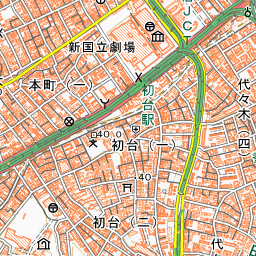
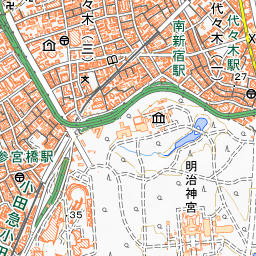
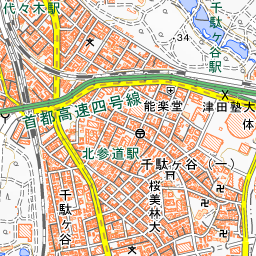
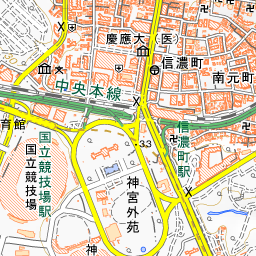
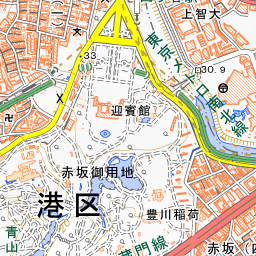
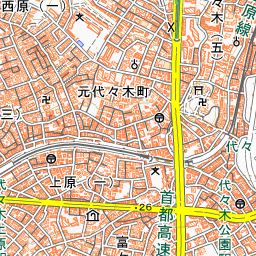
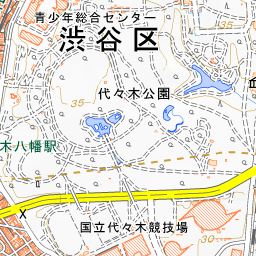
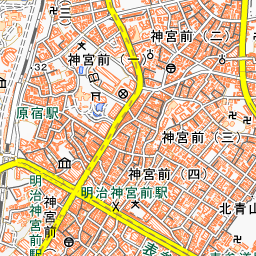
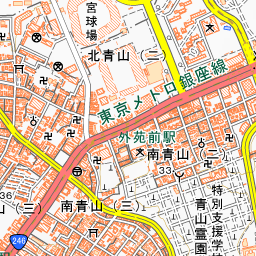
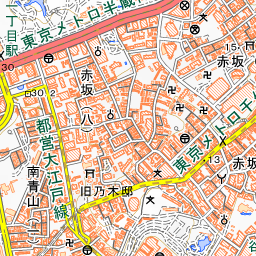
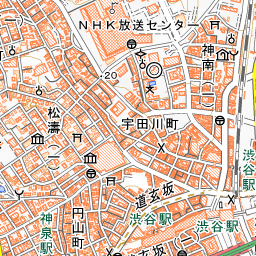
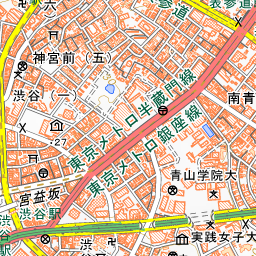
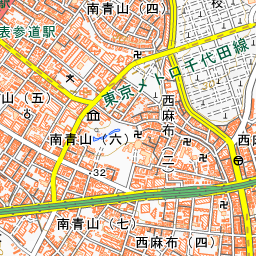
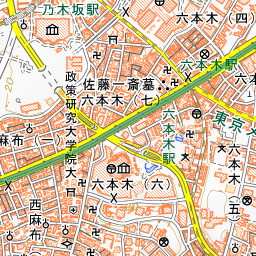
Spot location © OpenStreetMap contributors (ODbL)
Open in Google MapsGuides that include this spot (1)
Use asobot while you walk
- See where you are on the map and find spots nearby
- Listen to the guide's audio in course order, one after another (with subtitles)
- Walk to the next spot while following the map
Open on your phone
Scan to open this spot in asobot on your phone.