
Honkawa Elementary School Peace Museum
Japanese: 本川小学校平和資料館
Naka Ward, Hiroshima
This information was written by AI and may contain mistakes. Please check official sources for opening hours, fees, and other details before you go.
Found a mistake? Let us know with “✏️ Something's wrong” on this spot's screen in asobot →
🎧 Audio guide(1:04)
In short
The Honkawa Elementary School Peace Museum preserves a portion of the school building and the basement of the atomic-bombed Honkawa National School (now Honkawa Elementary School). Located about 410 meters from the hypocenter, Honkawa National School suffered massive damage in the atomic bombing on August 6, 1945, as the school closest to the hypocenter. From the following day, the burned-out school building served as a temporary relief station. It opened as a peace museum in 1988, and it is also known as the school that appears in Barefoot Gen.
- Basement with Scars of the Fire: Centered on the basement, burn marks from the time of the bombing, including traces of black smoke, are preserved
- Burned Switchboard and Door Frames: A charred switchboard and door frames burned by the thermal blast are also preserved as they were
- Items Collected by Teachers: Many of the exhibited items were collected from the atomic-bombed city by teachers who once taught at this school
History and Highlights
Honkawa Elementary School Peace Museum is a museum preserving a portion of the school building and the basement of the atomic-bombed Honkawa National School (now Honkawa Elementary School). Built in 1928, the building was an L-shaped, three-story reinforced concrete structure and was the first reinforced concrete school building in Hiroshima City.
Located about 410 meters from the hypocenter, Honkawa National School suffered massive damage as the school closest to ground zero. In the atomic bombing on August 6, 1945, the school building was burned out leaving only the exterior shell. Of the principal, 10 faculty and staff members, and about 400 children—including first and second graders as well as those who could not evacuate due to family circumstances—only one teacher and one child survived. From the following day, the school building, with only its burned outer walls remaining, served as a temporary relief station, overflowing with injured people. In the schoolyard, many who died were cremated.
In February of the following year, classes resumed in the building after minimal repairs. It continued to be used through repeated repairs, but in April 1988, when a new school building was constructed, only a part of the atomic-bombed school building and the basement were preserved, opening as a peace museum in May of the same year. It is also known as the school that appears in the manga Barefoot Gen created by Nakazawa Keiji.
Points for Viewing and Experiencing
- Basement with Scars of the Fire: Centered on the basement, burn marks from the time of the bombing, including traces of black smoke, are preserved. The building itself is preserved as "evidence" of the atomic bombing.
- Burned Switchboard and Door Frames: A charred switchboard and door frames burned by the thermal blast are also preserved as they were. The terrifying heat of the atomic bomb can be felt from these everyday facilities.
- Items Collected by Teachers: Many of the exhibited items were collected from the atomic-bombed city by teachers who once taught at this school. Each item conveys the daily life that was stolen in an instant.
Tips for Exploring
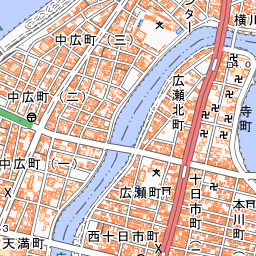
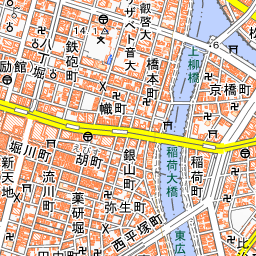
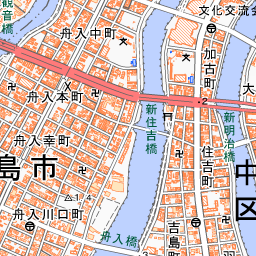
The museum is located inside Honkawa Elementary School, where children still attend classes today. Please be mindful that it is an educational environment and tour quietly according to the instructions at the reception. From in front of the Atomic Bomb Dome, it is just a short walk after crossing Aioi Bridge. Visiting together with the Peace Memorial Park and the Fukuromachi Elementary School Peace Museum, which also preserves an atomic-bombed school building, will provide a deeper understanding of the immense damage suffered by the children and the schools.

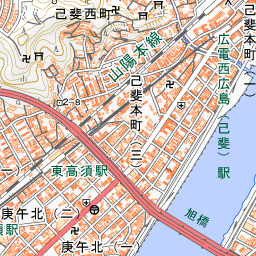
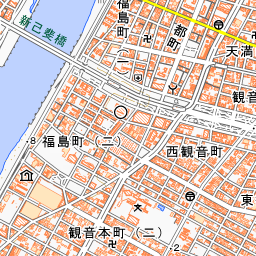
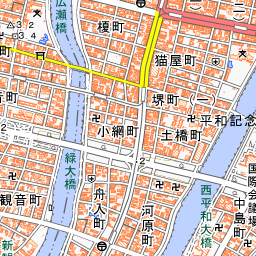
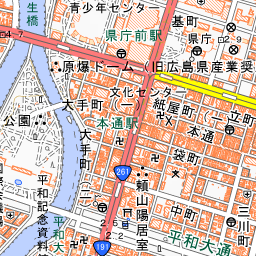
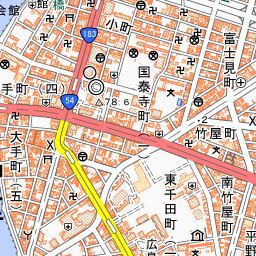
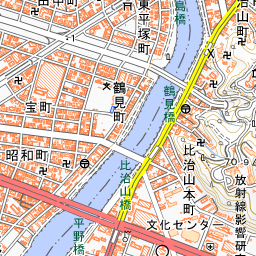
Spot location © OpenStreetMap contributors (ODbL)
Open in Google MapsGuides that include this spot (1)
Use asobot while you walk
- See where you are on the map and find spots nearby
- Listen to the guide's audio in course order, one after another (with subtitles)
- Walk to the next spot while following the map
Open on your phone
Scan to open this spot in asobot on your phone.