 ✨ AI Generated
Toneri Park
Japanese: 舎人公園
Adachi City, Tokyo
This information was written by AI and may contain mistakes. Please check official sources for opening hours, fees, and other details before you go.
Found a mistake? Let us know with “✏️ Something's wrong” on this spot's screen in asobot →
🎧 Audio guide(1:03)
In short
Toneri Park is a Tokyo metropolitan comprehensive park located in Adachi City. Covering about 65 hectares, it offers expansive open skies and diverse nature despite being located in Tokyo. Roughly 1,000 cherry trees are affectionately known as the "Senbonzakura" (Thousand Cherry Trees).
- Senbonzakura and Reagan Cherry Trees: Various varieties of cherry trees are planted here, including cherry trees grown from saplings presented by the former First Lady of the United States, Nancy Reagan.
- The Great Pond and Bird Sanctuary: Features the Great Pond, home to spot-billed ducks and little grebes, and a conservation area where wild birds can be viewed from observation windows.
- Asahi no Hiroba: At an elevation of 17.5 meters—the highest point in Adachi City—visitors can enjoy 360-degree views.
History and Highlights
Toneri Park is a Tokyo metropolitan comprehensive park in Adachi City. It opened on June 1, 1981, and its grounds currently span about 65 hectares. Because there are no high-rise buildings in the surrounding area and the park grounds are spacious, visitors can enjoy wide-open skies and rich nature despite being in Tokyo's special wards.
Originally, this land was low-lying wasteland or paddy field terrain nestled between natural levees stretching from the Arakawa River to the Ayase River. The park's origins date back to March 1940, when plans were decided to establish it as an air defense greenbelt in commemoration of the 2,600th anniversary of the legendary founding of Japan. With the opening of the Nippori-Toneri Liner in 2008, convenience improved and visitors coming from a wider area increased.
The park grounds are largely divided into east and west by Radial Route 11, which runs north to south. On the west side are sports facilities including an athletic stadium, tennis courts, and baseball fields. The east side is an area consisting of woods, water surfaces, and lawn plazas. It also occupies an important position for disaster prevention in the regional disaster management plans of Tokyo and Adachi City.
Key Viewing and Experiencing Points
- Senbonzakura and Reagan Cherry Trees: Usually around the end of March, roughly 1,000 cherry trees reach their best viewing time. With a variety of cultivars such as Yoshino cherry (Somei-yoshino), Taiwan cherry (Kanhizakura), and Gyoiko, the blooming times differ depending on the variety. The Reagan cherry trees were grown from saplings presented by the former First Lady of the United States during her visit to Japan. These originated from the cherry trees of the Arakawa River embankment that Japan sent in 1912 (Meiji 45), which had been planted along the Potomac River in Washington.
- The Great Pond and Bird Sanctuary: In the Great Pond on the northeast side, cattails and reeds grow wild, serving as a habitat for birds such as spot-billed ducks and little grebes. The pond on the southeast side and its surrounding area form the "Nature Observation Garden," a conservation area for wild birds. While entry inside is prohibited, visitors can observe the wild birds gathering at the pond through observation windows.
- Asahi no Hiroba: Located at an elevation of 17.5 meters, the highest point in Adachi City, this spot offers a 360-degree panoramic view. On clear days, one can see as far as Tokyo Skytree, Tokyo Tower, and Mount Fuji.
Strolling Tips
It is a 1-minute walk after getting off at Toneri-koen Station on the Nippori-Toneri Liner. The park bridge connecting the park's two districts spans above Ogubashi-dori Street and beneath the Liner's tracks. On the east side, there is a sledding slope utilizing the incline above the Liner's train depot, as well as a wading pool (Jabujabu Pond) for water play that opens only during the summer season. In the spring of 2026, the "Movement of Flowers and Light" event was held featuring the nemophila flower beds on the lawn plaza. Visitors can also enjoy seasonal flowers and trees throughout the year, such as azaleas in spring, hydrangeas in summer, ginkgoes in autumn, and plum blossoms in winter.
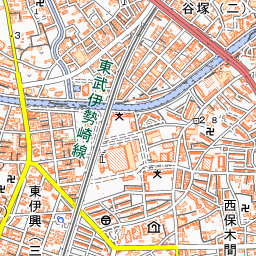
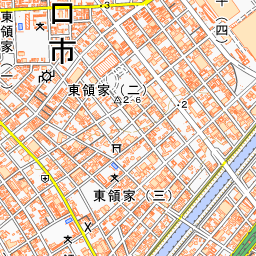
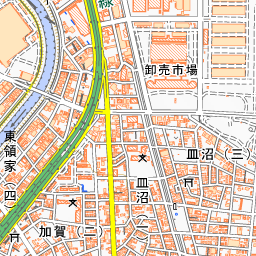
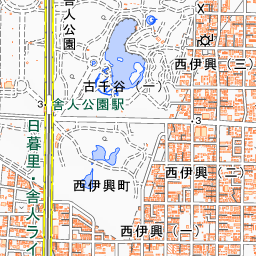

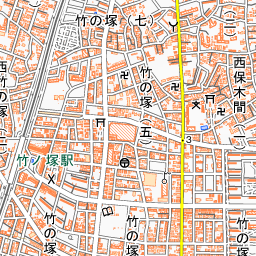
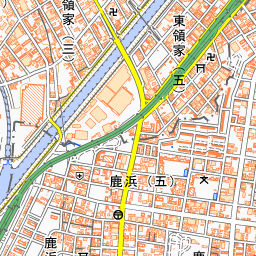
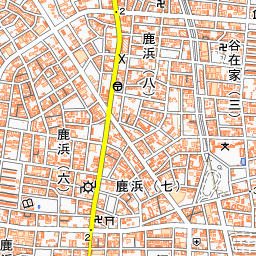

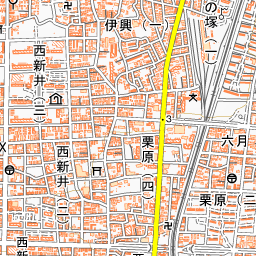
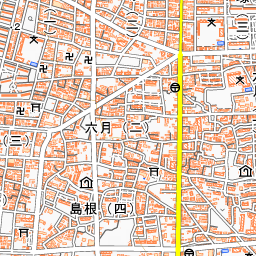
Spot location © OpenStreetMap contributors (ODbL)
Open in Google MapsUse asobot while you walk
- See where you are on the map and find spots nearby
- Listen to the guide's audio in course order, one after another (with subtitles)
- Walk to the next spot while following the map
Open on your phone
Scan to open this spot in asobot on your phone.