 ✨ AI Generated
Expo '70 Commemorative Park Japanese Garden
Japanese: 万博記念公園 日本庭園
Suita, Osaka
This information was written by AI and may contain mistakes. Please check official sources for opening hours, fees, and other details before you go.
Found a mistake? Let us know with “✏️ Something's wrong” on this spot's screen in asobot →
🎧 Audio guide(1:05)
In short
A garden developed as a facility exhibited by the Japanese government for the 1970 Japan World Exposition (Expo '70). The chief designer was Taji Rokuro, a doctor of agriculture, and the garden was created on a groundbreaking scale for a Japanese garden, measuring 1,300 meters east to west, 200 meters north to south, and covering a total area of approximately 25 hectares. In October 2024, it was registered as a national Registered Monument (Places of Scenic Beauty).
- Tracing the Eras Along the Stream: The ancient section in the west is modeled on the shinden-zukuri garden style of the Heian period, featuring springs and waterfalls. In the medieval section, one can see large suhama (pebbled shorelines), karesansui (dry landscape), and the chaniwa (tea garden) style
- Shinji-ike Pond and Daimyo Garden: The early modern section features the style of an Edo-period daimyo garden, designed to be enjoyed by strolling around a diverse space centered on a pond. Grassy hills are built beyond the "Shinji-ike Pond"
- Modern Garden: The easternmost modern section was an attempt to create a new garden culture, featuring a carp pond, a lotus pond, and an iris garden. For the revetment of the carp pond, cut blocks of granite of various sizes were used
History and Highlights
The Japanese Garden is located within the Expo '70 Commemorative Park and was developed as a facility exhibited by the Japanese government for the 1970 Japan World Exposition (Expo '70). The chief designer was Taji Rokuro, a doctor of agriculture. In order to provide a place of relaxation for the many visitors to the exposition, it was created with an unprecedented scale for a Japanese garden, measuring 1,300 meters east to west, 200 meters north to south, and covering a total area of approximately 25 hectares.
The long, narrow garden is divided from west to east into four sections—ancient, medieval, early modern, and modern—each featuring a garden style that reflects the characteristics of its respective era. The flow of the mountain stream connecting these sections expresses the exposition's theme, "Progress and Harmony for Mankind." Bringing together traditional techniques and what was then state-of-the-art landscaping technology, the garden was registered as a national Registered Monument (Places of Scenic Beauty) in October 2024.
Points for Appreciation and Experience
- Tracing the Eras Along the Stream: The upstream ancient section in the west is modeled on the shinden-zukuri garden style of the Heian period, featuring springs and waterfalls. In the midstream medieval section, one can see large suhama (pebbled shorelines), karesansui (dry landscape), and the chaniwa (tea garden) style established alongside the tea ceremony.
- Shinji-ike Pond and Daimyo Garden: The downstream early modern section features the style of an Edo-period daimyo garden, designed to be enjoyed by strolling around a diverse space centered on a pond. The grassy hills are built beyond the central Shinji-ike Pond.
- Modern Garden: The easternmost modern section was an attempt to create a new garden culture, featuring a carp pond, a lotus pond, and an iris garden (shobuda). For the revetment of the carp pond, cut blocks of granite of various sizes were used instead of natural stones.
Walking Tips
Within the garden, there are a guest house, rest areas, and tea ceremony houses named "Han'an," "Banrian," and "Senrian." Other highlights include yatsuhashi (zigzag bridges), stone bridges, and yukimi-doro (snow-viewing stone lanterns). To allow many people to walk at once, the garden paths were built with a width of 4 to 6 meters, which is wide for a Japanese garden.
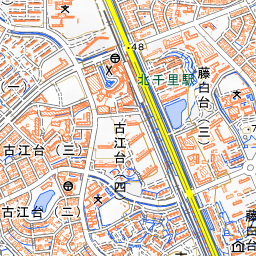
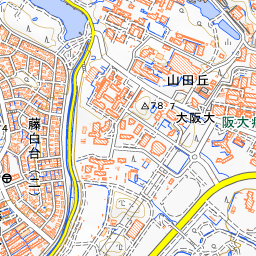
Nearby are the "Nihon Teien-mae" bus stop and the Nihon Teien-mae Parking Lot. It is located about 430 meters north of the Tower of the Sun and immediately northwest of the Japan Folk Crafts Museum, Osaka, making it easy to visit them together.
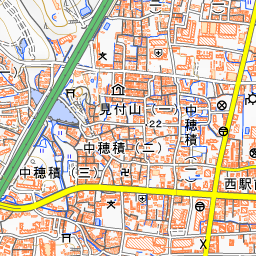
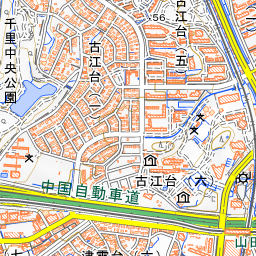
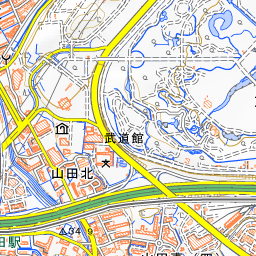
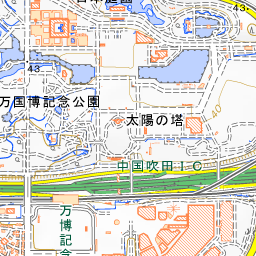
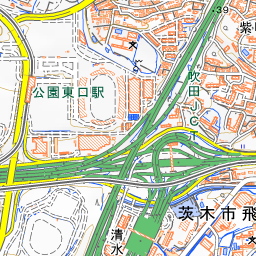
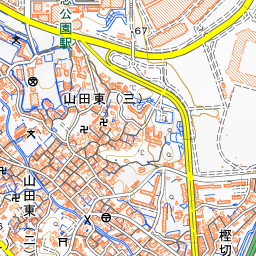
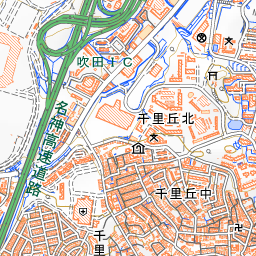
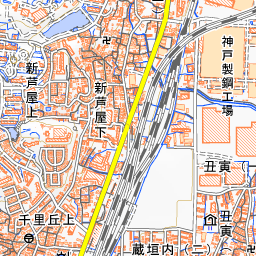
Spot location © OpenStreetMap contributors (ODbL)
Open in Google MapsUse asobot while you walk
- See where you are on the map and find spots nearby
- Listen to the guide's audio in course order, one after another (with subtitles)
- Walk to the next spot while following the map
Open on your phone
Scan to open this spot in asobot on your phone.