 ✨ AI Generated
Sumiyoshi Temporary Palace
Japanese: 住吉行宮
Sumiyoshi Ward, Osaka
This information was written by AI and may contain mistakes. Please check official sources for opening hours, fees, and other details before you go.
Found a mistake? Let us know with “✏️ Something's wrong” on this spot's screen in asobot →
🎧 Audio guide(1:08)
In short
The site where Emperor Gomurakami of the Southern Court established a temporary imperial residence (angu) during the Nanboku-cho period, and a National Historic Site. The Shoinden within the residence of the Tsumori clan, who served as head priests of Sumiyoshi-taisha Shrine, became the temporary palace, and the Emperor spent about eight years here until his death in 1368 (Shohei 23).
- A Historic Site within a Residential Area: It is now surrounded by a quiet residential neighborhood, exuding an atmosphere like that of a small shrine. It is a place that conveys the history of the era when the Southern and Northern Courts fought
- A Rest by Emperor Meiji: In 1868 (Meiji 1), Emperor Meiji made an imperial visit to Sumiyoshi-taisha Shrine and took a rest at this Shoinden
- Shoinden Festival: Every year on April 6, Sumiyoshi-taisha Shrine holds a festival at the site of the Shoinden to commemorate Emperor Gomurakami, who passed away here
History and Highlights
Sumiyoshi Temporary Palace is the site where Emperor Gomurakami of the Southern Court established a temporary imperial residence (angu) during the Nanboku-cho period (Period of the Northern and Southern Courts). In this area stood the residence of the Tsumori clan, who served as head priests of Sumiyoshi-taisha Shrine, and a building within it called the Shoinden became the temporary palace. The name Shoinden is said to derive from the fact that the sacred seal of Sumiyoshi-taisha Shrine was kept there.
In 1351 (Shohei 6), Ashikaga Yoshiakira, who supported the Northern Court, offered his surrender. The following year, Emperor Gomurakami moved from Anou in Nara to the Shoinden inside the residence of the head priest Tsumori Kuninatsu. Eventually, Yoshiakira regained his power and the Emperor's forces were defeated, leading the Emperor to return to Anou once again. In 1360 (Shohei 15), he moved to Sumiyoshi again from the temporary palace at Kanshin-ji Temple, spending about eight years here until his death in 1368 (Shohei 23). The Emperor passed away at this location at the age of 41, and the next emperor, Emperor Chokei, also ascended the throne here.
It is thought that Tsumori Kuninatsu offered his residence as a temporary palace partly because he had faithfully served Emperor Godaigo from early on. The site was designated as a Historic Site of Osaka Prefecture in 1938 (Showa 13) and as a National Historic Site in 1939 (Showa 14).
Viewing and Experience Points
- A Historic Site within a Residential Area: It is now surrounded by a quiet residential neighborhood, exuding an atmosphere like that of a small shrine. It is a place that conveys the history of the era when the Southern and Northern Courts fought.
- A Rest by Emperor Meiji: In 1868 (Meiji 1), Emperor Meiji made an imperial visit to Sumiyoshi-taisha Shrine and took a rest at this Shoinden.
- Shoinden Festival: Every year on April 6, Sumiyoshi-taisha Shrine holds a festival at the site of the Shoinden to commemorate Emperor Gomurakami, who passed away here.
Walking Tips
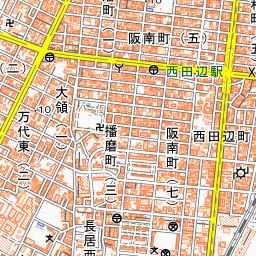
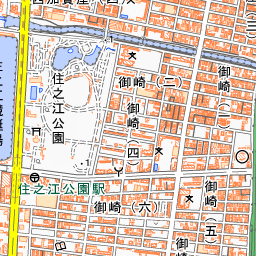
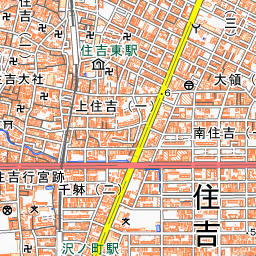
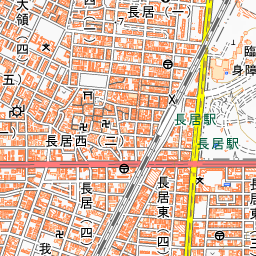
It is about 50 meters south from the "Sumie 1-chome" Osaka City Bus stop. From Sumiyoshi-taisha Station on the Nankai Main Line, it takes about 15 minutes on foot. About 200 meters to the north is Otoshi-sha Shrine, a subordinate shrine of Sumiyoshi-taisha Shrine, and the main shrine of Sumiyoshi-taisha Shrine is about 490 meters to the north. Try tracing the history of the Nanboku-cho period along with your visit to Sumiyoshi-taisha Shrine.


Use asobot while you walk
- See where you are on the map and find spots nearby
- Listen to the guide's audio in course order, one after another (with subtitles)
- Walk to the next spot while following the map
Open on your phone
Scan to open this spot in asobot on your phone.